Fota Wildlife Park is one of the most unique wildlife destinations in Europe, offering visitors a rare opportunity to experience animals living in open, natural habitats rather than traditional zoo enclosures. Located on Fota Island near Cork in Ireland, the park is known for its conservation efforts, immersive wildlife experiences, and beautiful natural surroundings. Every year, thousands of visitors travel to Fota Wildlife Park to see rare animals, learn about wildlife conservation, and enjoy a memorable day in nature.
Unlike many conventional zoos, Fota Wildlife Park follows a philosophy that focuses on animal welfare and natural environments. Many species roam freely across large grasslands, allowing visitors to observe animals in conditions that closely resemble their natural habitats. This unique approach has made the park one of Ireland’s most respected wildlife attractions.
History and Establishment of Fota Wildlife Park
Fota Wildlife Park was officially opened in 1983 and has since grown into one of Ireland’s leading conservation and education centers. The park was established through a partnership between the Zoological Society of Ireland and the Irish government with the goal of creating a wildlife environment that prioritizes conservation and education.
The idea behind the park was inspired by wildlife reserves in Africa where animals live in open spaces. Instead of being kept behind bars or in small cages, many animals at Fota Wildlife Park roam freely across large fields while visitors walk along designated pathways.
Over the decades, the park has expanded its facilities and introduced new species while maintaining its commitment to conservation. Today, Fota Wildlife Park covers more than 100 acres and is home to a wide variety of animals from around the world.
Location and Natural Setting of Fota Wildlife Park
Fota Wildlife Park is located on Fota Island in County Cork, Ireland. The island itself is a beautiful area surrounded by water and lush greenery, creating a peaceful and natural environment for both animals and visitors.
The park is situated about 15 kilometers from Cork City, making it easily accessible by car, bus, or train. Many visitors choose to travel by train to Fota Station, which is located just a short walk from the park entrance.
The natural landscape of Fota Island plays an important role in the park’s success. The open grasslands, wooded areas, and natural waterways help recreate habitats that support the health and wellbeing of the animals living there.
Unique Concept of Free-Roaming Animals
One of the most remarkable features of Fota Wildlife Park is its free-roaming animal concept. Many species such as kangaroos, wallabies, and lemurs are not confined by fences or cages and can move freely around certain parts of the park.
Visitors walk along carefully designed pathways while animals roam nearby. This creates a unique experience where people can observe wildlife in a more natural and relaxed setting.
The design of the park ensures that animals feel safe while visitors can enjoy close encounters without disturbing them. Natural barriers such as water channels and hidden fencing help maintain safety without affecting the open environment.
This innovative approach has made Fota Wildlife Park a pioneer in modern wildlife park design.
Animals You Can See at Fota Wildlife Park
Fota Wildlife Park is home to a wide range of animals from different continents. The park focuses on species that benefit from open habitats and large spaces.
African Wildlife
Several African species live in large grassland areas within the park. These include giraffes, zebras, ostriches, and antelopes. Visitors often enjoy watching giraffes walking across open fields while zebras graze nearby.
The African habitat section provides a glimpse into the ecosystems of the African savanna and helps visitors understand the importance of protecting these environments.
Asian Wildlife
The park also houses animals from Asia, including species that are endangered in the wild. Visitors can see animals such as Asian lions, Indian rhinos, and various primates.
These animals live in specially designed habitats that reflect the environments found in their native regions.
South American Animals
Fota Wildlife Park also features animals from South America such as capybaras, squirrel monkeys, and other tropical species. These animals are usually found in areas with lush vegetation that resembles the rainforests of their natural habitats.
Free-Roaming Species
Some of the most popular animals at Fota Wildlife Park are the free-roaming species. These include ring-tailed lemurs, kangaroos, and wallabies.
Visitors often find these animals moving around freely along the pathways, which creates a unique and memorable wildlife experience.
Conservation Efforts at Fota Wildlife Park
Conservation is one of the core missions of Fota Wildlife Park. The park actively participates in international breeding programs that aim to protect endangered species.
Through these programs, animals are carefully bred and sometimes transferred to other wildlife parks or reserves to support healthy populations. Many species living at Fota Wildlife Park are part of the European Endangered Species Programme.
The park also conducts research on animal behavior, health, and breeding patterns. This research helps scientists understand how to better protect wildlife both in captivity and in the wild.
Education is another key part of the park’s conservation mission. Visitors learn about the threats facing wildlife today, including habitat destruction, climate change, and illegal poaching.
Visitor Experience at Fota Wildlife Park
A visit to Fota Wildlife Park offers a relaxing and educational experience for people of all ages. The park is designed with wide walking paths that allow visitors to explore different habitats comfortably.
Along the pathways, there are informative signs that explain details about each species, including their natural habitats, diets, and conservation status. These educational displays help visitors gain a deeper understanding of wildlife.
Families especially enjoy visiting the park because it provides children with a chance to see animals up close while learning about nature.
The park also offers guided tours and educational programs that provide additional insights into the animals and conservation efforts.
Facilities and Attractions in Fota Wildlife Park
Fota Wildlife Park offers several facilities that make a visit comfortable and enjoyable.
Visitor Centre
The visitor centre provides information about the park, wildlife conservation, and the different species living in the park. It also includes exhibits that explain the park’s history and conservation programs.
Cafes and Dining Areas
Visitors can enjoy meals and refreshments at the park’s cafes and dining areas. These locations provide a relaxing place to take a break while enjoying views of the surrounding landscape.
Picnic Areas
Many families prefer to bring their own food and relax in the designated picnic areas. These areas allow visitors to enjoy the natural environment while spending time with friends and family.
Children’s Play Areas
Fota Wildlife Park also offers play areas where children can enjoy outdoor activities after exploring the wildlife sections of the park.
Educational Programs and Learning Opportunities
Education plays an important role at Fota Wildlife Park. The park regularly hosts school visits, workshops, and educational events designed to teach children and adults about wildlife conservation.
Students visiting the park can participate in interactive learning sessions where they learn about ecosystems, animal behavior, and environmental protection.
These educational programs help inspire the next generation to care about wildlife and protect natural habitats.
Best Time to Visit Fota Wildlife Park
Fota Wildlife Park is open throughout the year, but the experience can vary depending on the season.
Spring and summer are popular times to visit because the weather is pleasant and many animals are more active. During these seasons, visitors can also see newborn animals and enjoy longer daylight hours.
Autumn offers beautiful scenery as the leaves change colors around the park. Winter visits are quieter and can provide a peaceful atmosphere for wildlife viewing.
Morning visits are often recommended because animals tend to be more active earlier in the day.
Travel Tips for Visiting Fota Wildlife Park
Planning ahead can help visitors make the most of their trip to Fota Wildlife Park.
Comfortable walking shoes are recommended because the park covers a large area and visitors spend a lot of time walking. Bringing a camera is also a good idea since there are many opportunities to capture memorable wildlife photos.
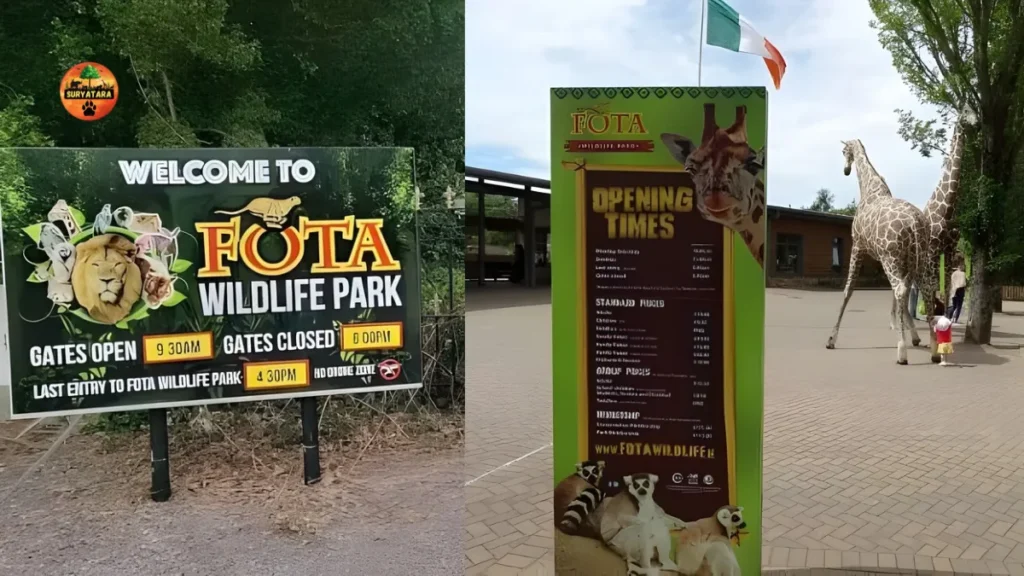
Visitors should also check the park’s opening hours before arriving, especially during holidays or special events.
It is important to follow park rules such as not feeding animals and respecting designated pathways. These rules help protect both visitors and wildlife.
Why Fota Wildlife Park Is an Important Wildlife Destination
Fota Wildlife Park stands out as one of Ireland’s most important wildlife conservation centers. Its focus on natural habitats, conservation programs, and education has made it a model for modern wildlife parks.
The park not only provides a safe home for many endangered species but also helps raise awareness about the importance of protecting wildlife around the world.
Visitors leave the park with a deeper appreciation for animals and the natural world.
Conclusion
Fota Wildlife Park is more than just a tourist attraction. It is a place where wildlife conservation, education, and visitor experience come together in a meaningful way.
From free-roaming animals to large open habitats and important conservation programs, the park offers a unique opportunity to connect with nature. Visitors can explore beautiful landscapes while learning about animals from across the globe.
Whether you are a wildlife enthusiast, a family looking for an educational outing, or a traveler exploring Ireland, Fota Wildlife Park offers an unforgettable experience that highlights the beauty and importance of the natural world.