Lohagad Fort Remains One of Maharashtra’s Most Remarkable Historical Landmarks
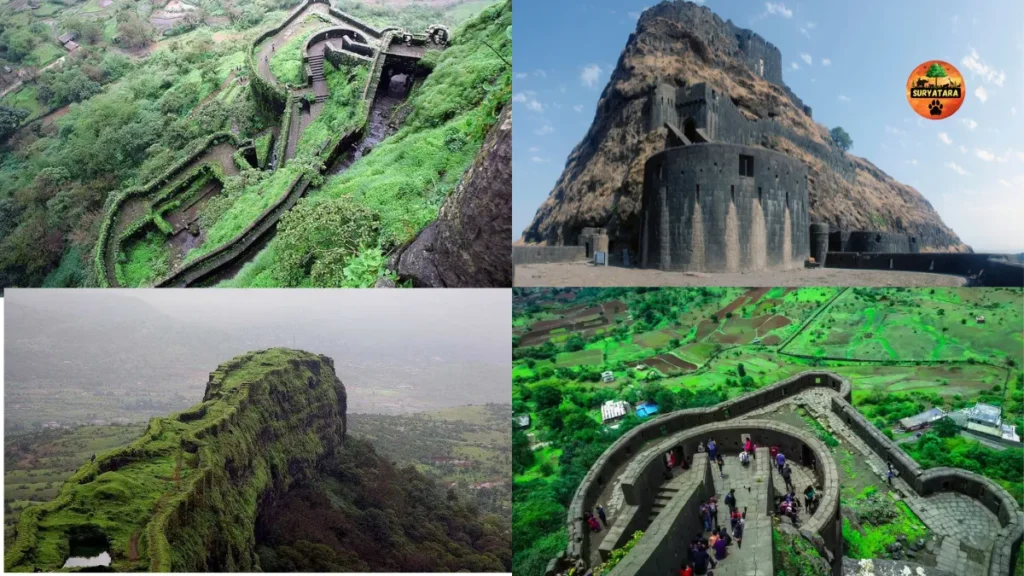
Perched high in the rugged Sahyadri mountain range, Lohagad Fort stands as one of Maharashtra’s most celebrated hill forts, drawing thousands of visitors every year. Rising approximately 1,033 meters above sea level, the fortress dominates the surrounding landscape with its imposing walls, ancient gateways, and sweeping views of the Western Ghats.
Known as the “Iron Fort,” Lohagad has witnessed the rise and fall of kingdoms, military campaigns, trade movements, and cultural transformations over many centuries. Today, it remains a powerful reminder of India’s rich heritage, attracting history enthusiasts, trekkers, photographers, and nature lovers alike.
Located near Lonavala in Pune district, the fort offers a rare combination of historical significance, architectural excellence, and natural beauty. Its accessibility from Mumbai and Pune has made it one of the most popular heritage destinations in western India.
A Fortress Shaped by More Than a Thousand Years of History
The story of Lohagad Fort stretches back more than a millennium. Historical records suggest that the fort existed as early as the 10th century, making it one of the oldest surviving hill forts in the region.
Throughout its long history, the fort passed through the hands of several ruling powers. Different dynasties recognized its strategic importance because of its location overlooking important trade routes connecting the Deccan Plateau with the Konkan coast.
Over the centuries, the fort came under the control of various rulers, including the Rashtrakutas, Chalukyas, Yadavas, Bahamani rulers, Nizamshahis, Mughals, and Marathas. Each dynasty contributed to its development, strengthening its defenses and expanding its infrastructure.
The fort’s position allowed rulers to monitor movement through the region and protect valuable commercial routes. This strategic advantage made Lohagad a prized military asset for generations.
Chhatrapati Shivaji Maharaj and Lohagad’s Strategic Role
One of the most important chapters in the history of Lohagad Fort is closely associated with Chhatrapati Shivaji Maharaj, the founder of the Maratha Empire.
Recognizing the fort’s military significance, Shivaji Maharaj captured Lohagad in 1648. At a time when regional powers were competing for control of western India, hill forts played a crucial role in defense, communication, and administration.
However, political circumstances soon altered the fort’s fate.
Under the Treaty of Purandar signed in 1665 between Shivaji Maharaj and the Mughal Empire, several forts, including Lohagad, were surrendered to the Mughals. Despite this setback, the Maratha ruler remained determined to regain control of his territories.
Just a few years later, in 1670, Shivaji Maharaj successfully recaptured Lohagad Fort. Following its recovery, the fort became an important storage site for wealth acquired during the famous Surat campaign, one of the most significant military operations of the Maratha period.
The fort’s secure location and strong defenses made it ideal for safeguarding valuable resources.
The Peshwa Era and the Legacy of Nana Phadnavis
Lohagad Fort continued to play an important role even after Shivaji Maharaj’s reign.
During the Peshwa period, renowned statesman Nana Phadnavis used the fort as a place of refuge during turbulent political times. His association with the fort contributed to several improvements that enhanced both its functionality and sustainability.
Historical accounts indicate that he commissioned the construction of important water-management structures, including reservoirs and step-wells. These facilities ensured a reliable supply of water for residents and soldiers stationed within the fort.
Many of these structures continue to survive today, offering visitors a glimpse into the engineering knowledge and planning capabilities of earlier generations.
The additions made during the Peshwa era transformed the fort into a more self-sufficient stronghold capable of supporting long-term occupation.
Ancient Discovery Reveals Lohagad’s Spiritual Heritage
While Lohagad is primarily known for its military history, recent discoveries have revealed another fascinating aspect of its past.
In 2019, trekkers exploring a cave on the southern side of the fort reported the discovery of an ancient inscription. Researchers later identified the inscription as being written in Jain Brahmi script and dating back to approximately the 2nd or 1st century BCE.
This finding pushed the historical timeline of human activity in the area much further into the past than many had previously assumed.
The inscription suggests that the cave may once have served as a Jain rock-cut sanctuary. Such discoveries highlight the region’s significance not only as a military center but also as a place of religious and cultural activity.
The evidence points to the possibility that spiritual communities occupied or visited the area centuries before the fort became a major defensive structure.
Architecture That Reflects Strength and Ingenuity
The architectural design of Lohagad Fort reflects the practical needs of warfare while also demonstrating remarkable craftsmanship.
Built atop a naturally defensible hill, the fort takes full advantage of the terrain. Steep slopes and rugged cliffs create natural barriers that would have made enemy attacks extremely difficult.
The fort’s walls follow the contours of the mountain, blending human construction with natural geography.
Massive stone structures, carefully designed gateways, and strategic lookout points demonstrate the advanced engineering skills possessed by builders centuries ago.
Despite exposure to harsh weather conditions over hundreds of years, many parts of the fort remain remarkably well preserved.
The Four Historic Gates of Lohagad Fort
One of the most striking features of the fort is the series of four gateways that visitors pass through while ascending toward the main plateau.
These gates served both defensive and ceremonial purposes.
Ganesh Darwaja
Named after Lord Ganesha, this gateway is among the most recognizable structures within the fort complex. It features robust stone construction designed to withstand attacks while providing controlled access to the interior.
Narayan Darwaja
This gateway reflects the architectural traditions of the period and forms an important section of the fort’s defensive layout.
Hanuman Darwaja
Dedicated to Lord Hanuman, the gate symbolizes strength and protection. It remains one of the key attractions for visitors exploring the fort.
Maha Darwaja
The grand entrance to the fort, Maha Darwaja served as the primary access point and represented the fort’s military authority.
Together, these gateways provide insight into the defensive planning employed by the fort’s builders and later rulers.
The Legendary Vinchukada: Lohagad’s Most Famous Landmark
Among all the features of Lohagad Fort, none is more iconic than the Vinchukada.
The name translates to “Scorpion’s Tail,” a reference to its distinctive shape.
This narrow fortified extension projects outward from the main fortification and resembles the curved tail of a scorpion when viewed from above.
Stretching dramatically into the surrounding landscape, Vinchukada is both a natural wonder and a military masterpiece.
The structure provided strategic advantages by extending surveillance capabilities and strengthening the fort’s defenses.
Today, it is one of the most photographed locations at Lohagad Fort.
Visitors who walk along the narrow pathway are rewarded with breathtaking views of valleys, mountains, forests, and nearby forts.
The combination of dramatic scenery and historical significance makes Vinchukada one of Maharashtra’s most memorable heritage attractions.
A Popular Destination for Trekking Enthusiasts
Lohagad Fort has earned a reputation as one of the best trekking destinations near Mumbai and Pune.
Unlike some of Maharashtra’s more demanding hill forts, Lohagad offers a relatively moderate climb that is suitable for beginners, families, and experienced trekkers alike.
The route combines adventure with scenic beauty, making it ideal for day trips and weekend excursions.
The trek allows visitors to experience changing landscapes, ancient pathways, and panoramic mountain views throughout the journey.
Trek Route from Malavli
Most visitors begin their trek from Malavli, a small settlement located near the railway station of the same name.
The route from Malavli takes trekkers through picturesque countryside before gradually ascending toward the fort.
The trail passes through areas rich in vegetation and provides numerous opportunities to enjoy the natural environment.
Depending on pace and weather conditions, the trek generally takes between two and three hours.
The journey itself becomes part of the attraction, offering visitors a chance to appreciate the beauty of the Sahyadri range.
Easier Access Through Lohagadwadi
For visitors who prefer a shorter trek, a motorable road connects Lohagadwadi village to the base area near the fort.
This route significantly reduces the walking distance and allows people of varying fitness levels to experience the fort.
Families with children and older travelers often choose this option.
The availability of road access has helped increase tourism while ensuring that the site remains accessible to a broader audience.
Best Seasons to Explore Lohagad Fort
The experience of visiting Lohagad Fort changes dramatically with the seasons.
Each time of year offers a different perspective on the landscape and atmosphere surrounding the fort.
Winter and Post-Monsoon Season
The months between October and March are widely regarded as the best time to visit.
During this period, temperatures remain comfortable, skies are generally clear, and the surrounding hills retain much of the greenery left behind by the monsoon.
The pleasant weather makes trekking enjoyable and allows visitors to spend more time exploring the fort.
Monsoon Magic
From June to September, Lohagad transforms into a lush green paradise.
Cloud-covered mountains, seasonal waterfalls, flowing streams, and misty pathways create spectacular scenery.
The fort becomes especially popular among photographers and nature enthusiasts during this season.
However, slippery trails require extra caution, and visitors should wear appropriate footwear.
Summer Visits
Summer months can be warm, particularly during midday.
Those planning a summer visit are advised to begin their trek early in the morning or later in the afternoon to avoid excessive heat.
Despite the higher temperatures, clear skies often provide excellent visibility across the surrounding region.
Lohagad Fort Visitor Information
| Details | Information |
|---|---|
| Location | Near Lonavala, Pune District, Maharashtra |
| Elevation | 1,033 meters (3,389 feet) |
| Famous For | Historical significance, trekking, Vinchukada |
| Nearest Railway Station | Malavli |
| Nearest Major Railway Station | Lonavala |
| Nearest Airport | Pune International Airport |
| Best Time to Visit | October to March |
| Trek Difficulty | Easy to Moderate |
| Major Attractions | Vinchukada, Fort Gates, Water Tanks, Panoramic Views |
How to Reach Lohagad Fort
The fort enjoys excellent connectivity from major urban centers in Maharashtra.
By Road
Lohagad Fort is approximately 60 kilometers from Pune and around 100 kilometers from Mumbai.
Travelers can use the Mumbai–Pune Expressway before proceeding toward Lonavala and Malavli.
Private vehicles, taxis, and buses provide convenient access.
By Train
Rail travel remains one of the easiest ways to reach the fort.
Malavli Railway Station is the nearest station, while Lonavala serves as the nearest major rail hub.
Regular trains connect both stations with Mumbai and Pune.
By Air
Pune International Airport is the closest airport for domestic and international travelers.
Mumbai’s international airport also serves as a practical option for visitors arriving from other parts of India and abroad.
Exploring the Region Around Lohagad
A visit to Lohagad Fort can easily be combined with several nearby attractions.
Bhaja Caves
Located close to Malavli, the ancient Bhaja Caves are among India’s oldest rock-cut Buddhist monuments.
Dating back more than two thousand years, they contain prayer halls, stupas, and impressive carvings.
Visapur Fort
Standing adjacent to Lohagad, Visapur Fort offers a more challenging trekking experience.
Its higher elevation provides spectacular views of the surrounding landscape.
Karla Caves
The Karla Caves are renowned for their beautifully preserved Buddhist architecture.
Their massive chaitya hall is considered one of the finest examples of ancient rock-cut craftsmanship in India.
Lonavala
The famous hill station of Lonavala attracts travelers with its pleasant climate, scenic viewpoints, waterfalls, and local delicacies.
Many visitors combine a trip to Lohagad with a stay in Lonavala.
Also read: Discover Tapola Tourist Places – Nature, Adventure & Serenity in Maharashtra”
The Growing Importance of Heritage Tourism
In recent years, heritage tourism has become increasingly popular across India.
Sites such as Lohagad Fort play an important role in preserving historical memory while supporting local economies through tourism.
Visitors gain firsthand exposure to architecture, history, archaeology, and cultural traditions that cannot be fully appreciated through textbooks alone.
The fort serves as an outdoor classroom where people can better understand the region’s historical evolution.
Efforts to maintain and preserve such monuments are essential for ensuring that future generations can continue to learn from and enjoy these invaluable heritage sites.
Also read: Chikhaldara Hill Station: A Refreshing Monsoon Getaway in Maharashtra
Why Lohagad Fort Continues to Captivate Visitors
Few destinations offer the same blend of history, adventure, architecture, and natural beauty found at Lohagad Fort.
Its ancient walls tell stories of empires, battles, political intrigue, and cultural exchange. Its scenic surroundings provide an escape from urban life, while its trekking routes offer rewarding experiences for outdoor enthusiasts.
Whether visitors arrive to explore Maratha history, admire medieval engineering, enjoy a weekend trek, or simply witness the beauty of the Sahyadri mountains, the fort delivers a memorable experience.
More than a historical monument, Lohagad Fort stands as a symbol of endurance and resilience. Centuries after its construction, it continues to inspire curiosity, attract explorers, and connect modern travelers with India’s remarkable past.
As the sun sets behind the hills and golden light washes over the ancient stone walls, visitors are reminded that some places are more than destinations—they are living chapters of history. Lohagad Fort remains one of those rare places where the past and present meet, creating an experience that stays with travelers long after they leave its towering ramparts behind.