A Unique Marine Sanctuary Preserving the Rich Biodiversity of the Bay of Bengal
Nestled among the emerald waters of the Andaman Sea, Rani Jhansi Marine National Park stands as one of India’s most remarkable marine conservation areas. Located in the South Andaman region of the Andaman and Nicobar Islands, the protected park is known for its vibrant coral reefs, pristine lagoons, dense mangrove forests, secluded beaches, and thriving wildlife habitats.
For travellers seeking a destination beyond crowded tourist spots, the park offers an opportunity to witness nature in its purest form. While many visitors know the site by names such as Rani Jhansi Park, Rani Lakshmi Bai Park, Jhansi Ki Rani National Park, or Jhansi Rani Marine National Park, all refer to the same ecologically significant protected area that continues to attract nature enthusiasts, marine researchers, photographers, and eco-tourists from across India and abroad.
As environmental awareness grows and sustainable tourism gains momentum, Rani Jhansi Marine National Park is increasingly being recognized as one of the Andaman Islands’ most valuable natural assets.
A Protected Marine Landscape Near Port Blair
Situated close to Port Blair, the capital of the Andaman and Nicobar Islands, Rani Jhansi Marine National Park covers a cluster of islands surrounded by the warm waters of the Bay of Bengal. The park was established to conserve the fragile marine ecosystems that characterize this part of the archipelago.
Unlike traditional wildlife sanctuaries that focus mainly on terrestrial species, this marine national park protects a wide variety of interconnected ecosystems. Coral reefs, lagoons, mangrove forests, tropical evergreen forests, and coastal habitats all coexist within the park’s boundaries, creating one of the most biologically diverse environments in the region.
The protected area serves as a crucial refuge for numerous marine species while also supporting a range of birds, mammals, reptiles, and plant life. Conservation experts regard the park as an important ecological zone due to its role in maintaining biodiversity and protecting sensitive coastal ecosystems.
An Island Network Rich in Natural Diversity
The islands that make up Rani Jhansi Marine National Park present a stunning combination of landscapes rarely found within a single protected area.
Visitors travelling through the park encounter stretches of white sandy beaches bordered by dense tropical vegetation. Behind these shorelines lie evergreen forests and semi-evergreen woodlands that support a variety of wildlife. Surrounding the islands are shallow lagoons and coral reefs teeming with marine organisms.
These island ecosystems function together as a complex environmental network. The forests provide shelter for birds and mammals, while mangrove belts protect coastlines from erosion and storms. Coral reefs act as underwater nurseries for fish and countless marine creatures.
Because the islands remain relatively untouched by large-scale development, they offer a glimpse into the natural beauty that once characterized much of the Andaman archipelago.
Coral Reefs: The Living Foundation of the Park
One of the defining features of Rani Jhansi Marine National Park is its extensive coral reef system.
Coral reefs are often described as the rainforests of the ocean due to the extraordinary diversity of life they support. Despite occupying only a small portion of the marine environment, reefs provide habitat, food, breeding grounds, and protection for thousands of species.
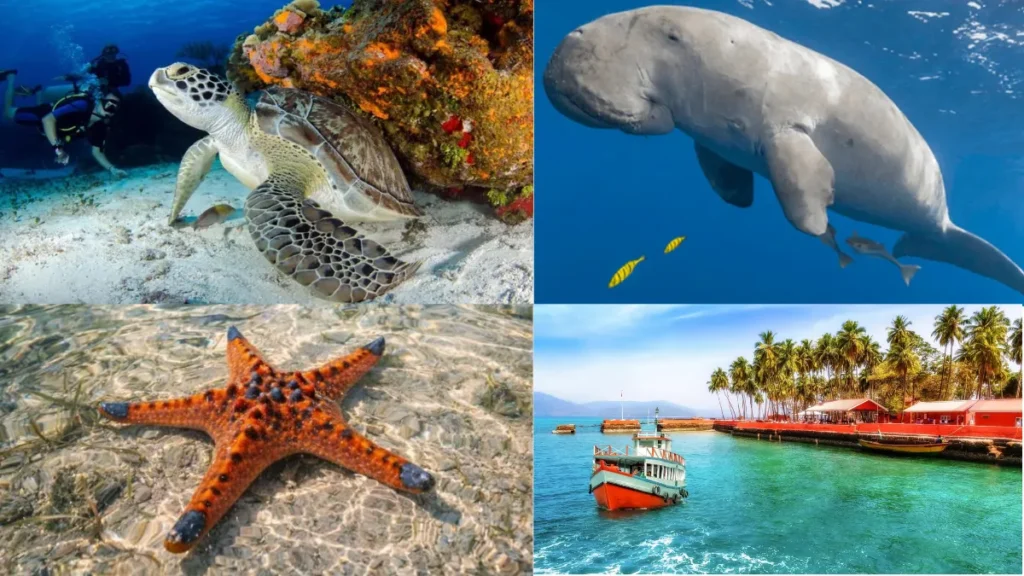
Within the park, colorful coral formations create an underwater landscape that supports a wide range of fish, crustaceans, mollusks, sea stars, and other marine organisms. These reefs also contribute significantly to coastal protection by reducing the impact of waves and storms on nearby shorelines.
Marine scientists emphasize that healthy coral ecosystems are vital to the long-term survival of many fish populations found throughout the Bay of Bengal. As climate change and ocean warming continue to threaten coral reefs globally, protected areas such as Rani Jhansi Marine National Park play an increasingly important role in conservation efforts.
Crystal-Clear Lagoons Offer a Window into Marine Life
The park’s tranquil lagoons are among its most visually striking attractions.
Protected by surrounding reef structures, these shallow water bodies remain relatively calm throughout much of the year. Their clear waters allow visitors to observe marine habitats without disturbing the ecosystem.
Boat excursions through these lagoons often reveal schools of tropical fish moving through coral formations beneath the surface. During favorable weather conditions, visitors can observe marine life directly from boats, making the experience accessible even to those who do not participate in water-based activities.
The lagoons also serve an important ecological function. Many marine species use these sheltered waters during different stages of their life cycles, making them essential breeding and nursery grounds.
Mangrove Forests Safeguard Coastal Ecosystems
Another significant feature of Rani Jhansi Marine National Park is its extensive mangrove habitat.
Mangroves are among the world’s most productive ecosystems and perform several critical environmental functions. Their intricate root systems stabilize coastlines, prevent erosion, trap sediments, and create protected habitats for young marine organisms.
Within the park, mangrove forests support numerous species of fish, crabs, mollusks, and birds. These habitats act as a bridge between land and sea, helping maintain ecological balance across the region.
Environmental experts note that mangroves are particularly important in island ecosystems because they help protect coastal communities from storm surges and extreme weather events. Their role in carbon storage also contributes to broader climate change mitigation efforts.
Visitors exploring the park’s mangrove creeks often gain a deeper appreciation for the ecological services these forests provide.
Evergreen Forests Add to the Park’s Ecological Wealth
While the marine environment receives much of the attention, the terrestrial forests within Rani Jhansi Marine National Park are equally significant.
Lowland evergreen forests and semi-evergreen woodlands cover portions of the islands, creating rich habitats for a variety of species. These forests remain green throughout the year due to the region’s tropical climate and abundant rainfall.
Towering trees, dense undergrowth, and diverse plant communities characterize these forest ecosystems. They provide food and shelter for birds, bats, insects, and numerous smaller animals.
The combination of forest habitats with nearby coral reefs and mangroves creates an exceptional ecological mosaic that supports biodiversity across multiple environments.
Marine Species Thrive Beneath the Surface
The waters surrounding the islands are home to an impressive range of marine species.
Sea turtles are among the most celebrated inhabitants of the park. These ancient reptiles have inhabited Earth’s oceans for millions of years and continue to rely on protected coastal habitats for feeding and nesting.
Visitors may also encounter reef fish displaying vibrant colors and patterns as they move among coral formations. Species diversity within the reef system contributes to the ecological stability of the entire marine environment.
Other commonly observed marine organisms include starfish, sea cucumbers, mollusks, crustaceans, and various coral species. Together, these creatures form complex food webs that sustain life throughout the ecosystem.
Marine conservationists emphasize that preserving these species is essential not only for biodiversity but also for maintaining healthy ocean environments.
Birdlife Flourishes Across Forests and Wetlands
Rani Jhansi Marine National Park is also a valuable destination for birdwatchers.
The park’s forests, coastlines, and mangrove habitats support numerous resident and migratory bird species. Herons, kingfishers, egrets, and other coastal birds are frequently observed near lagoons and shoreline areas.
Forest habitats attract a different range of species adapted to tropical woodland environments. Their calls often provide the soundtrack to boat journeys through the islands.
Bird populations serve as important indicators of ecosystem health. The presence of diverse bird communities suggests that many parts of the park remain ecologically intact despite environmental pressures affecting coastal habitats worldwide.
Fruit Bats and Other Wildlife Find Refuge Here
Among the terrestrial wildlife species inhabiting the park are fruit-eating bats, which play an important ecological role.
These bats contribute to seed dispersal and pollination, helping maintain forest regeneration and plant diversity. By moving seeds across different areas, they support the natural growth and renewal of island vegetation.
Insects, reptiles, and smaller mammals also inhabit the forests, though many remain difficult to spot due to dense vegetation and their naturally elusive behavior.
The park’s protected status provides these animals with a relatively secure environment compared to many areas facing increasing human development.
Responsible Tourism Gains Importance
As visitor interest in natural destinations grows, conservation authorities and tourism operators continue to stress the importance of responsible tourism practices.
Protected areas such as Rani Jhansi Marine National Park depend on visitor cooperation to maintain ecological integrity. Activities that damage coral reefs, disturb wildlife, or introduce pollution can have long-lasting environmental consequences.
Tour operators increasingly encourage eco-friendly travel practices, including proper waste disposal, avoiding wildlife disturbance, and respecting conservation regulations.
Sustainable tourism not only protects natural resources but also helps ensure that future generations can experience the park’s unique landscapes and biodiversity.
Boat Tours Provide the Main Visitor Experience
Because much of the park consists of marine and island habitats, boat tours represent the primary way visitors explore the area.
Guided excursions allow travellers to navigate among islands while learning about local ecosystems from experienced guides. These tours provide access to lagoons, mangrove channels, reef zones, and scenic coastal landscapes.
Boat journeys also offer opportunities for wildlife observation. Visitors frequently encounter birds, marine life, and picturesque natural scenery throughout the route.
Authorities generally recommend using approved operators familiar with local weather conditions, tidal patterns, and protected zones.
Sea Turtle Sightings Remain a Highlight
For many visitors, observing sea turtles in their natural environment is one of the most memorable aspects of a visit.
Sea turtles occasionally appear near beaches or surface in shallow waters around the islands. Their graceful movements and ancient lineage make them a symbol of marine conservation worldwide.
Because sea turtles are sensitive to disturbance, guides encourage visitors to maintain a respectful distance and avoid behaviors that may interfere with natural activities.
Conservation programs across the Andaman Islands continue to focus on protecting turtle nesting areas and reducing threats to these vulnerable species.
Exploring Mangrove Creeks Reveals Hidden Ecosystems
Mangrove-lined waterways provide another fascinating dimension to the visitor experience.
These narrow creeks offer insight into a lesser-known but highly important component of the coastal environment. The complex root structures create habitats for numerous aquatic species while stabilizing shorelines.
Travelling through mangrove channels often reveals a quieter side of the park, where visitors can appreciate the intricate relationships between land, water, and wildlife.
Many environmental educators consider mangrove ecosystems among the most effective examples of nature’s ability to protect and sustain coastal landscapes.
Best Season to Visit the Park
Weather conditions play a major role in determining accessibility to Rani Jhansi Marine National Park.
Tourism experts generally recommend visiting between October and April, when sea conditions are calmer and visibility is better. During this period, boat travel is more comfortable and opportunities for wildlife observation tend to improve.
The monsoon season can bring rough seas, strong winds, and heavy rainfall, sometimes leading to restrictions on boat operations. Visitors planning trips are advised to monitor weather forecasts and consult authorized operators before making travel arrangements.
How Visitors Reach the Park
Most journeys begin in Port Blair, which serves as the primary transportation hub for the Andaman and Nicobar Islands.
From Port Blair, visitors typically travel through authorized boat services operating under approved guidelines. Depending on regulations and seasonal conditions, permits or additional permissions may be required for access to certain areas.
Guided travel remains the preferred option because local operators possess valuable knowledge regarding navigation, safety procedures, and conservation requirements.
Maps of the park can help visitors understand the distribution of islands and habitats, although actual movement within protected zones is generally managed through regulated routes.
Essential Travel Advice for Visitors
Experts recommend preparing carefully before visiting Rani Jhansi Marine National Park.
Carrying drinking water, sunscreen, protective clothing, and basic medical supplies can significantly improve comfort during excursions. Waterproof protection for cameras and mobile devices is also advisable due to the marine environment.
Visitors should avoid touching corals, collecting shells, or interfering with wildlife. Even seemingly harmless actions can damage fragile ecosystems.
Maintaining quiet behavior enhances wildlife viewing opportunities while reducing stress on animals. Following guide instructions helps ensure both visitor safety and environmental protection.
Proper waste disposal is particularly important, as plastic and other debris can severely affect marine species and habitats.
Also read: Ticket Booking, Timings, and Safari Tips: Bannerghatta National Park Visitor Planner
Conservation Remains Central to the Park’s Future
Environmental experts view Rani Jhansi Marine National Park as more than a tourist destination. It serves as a living laboratory for marine conservation and biodiversity protection.
Coral reefs, mangrove forests, sea turtles, birds, and countless marine organisms all depend on the continued preservation of these habitats. As pressures from climate change, pollution, and habitat degradation increase globally, protected areas become increasingly valuable.
The park demonstrates how conservation and responsible tourism can work together to support environmental protection while providing educational and recreational opportunities.
By maintaining strict conservation standards and encouraging sustainable visitor practices, authorities hope to preserve this extraordinary marine ecosystem for generations to come.
Also read: Hemis National Park Is Famous for Which Animal? Complete Wildlife Guide
A Natural Jewel of the Andaman Islands
Rani Jhansi Marine National Park continues to stand among the most significant ecological destinations in the Andaman and Nicobar Islands. Its combination of coral reefs, lagoons, mangrove forests, evergreen woodlands, and abundant wildlife creates a landscape unlike any other in India.
For travellers seeking authentic encounters with nature, the park offers a rare chance to witness thriving marine ecosystems in a relatively undisturbed setting. Beyond its scenic beauty, it represents an important reminder of the need to protect fragile natural environments in an increasingly changing world.
As awareness of marine conservation grows, Rani Jhansi Marine National Park is likely to gain even greater recognition as a symbol of the Andaman Islands’ rich natural heritage and commitment to environmental preservation.