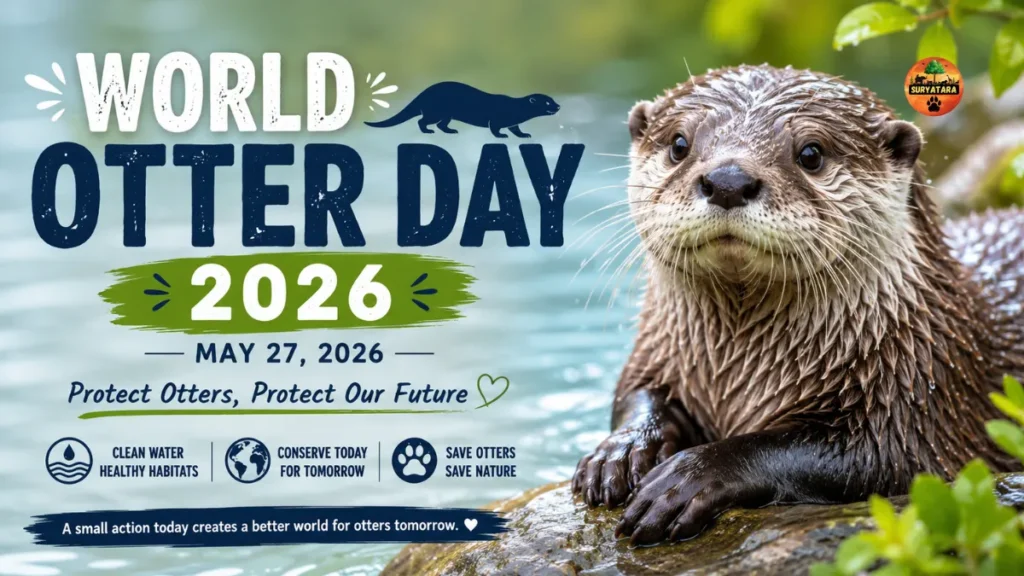
World Otter Day 2026 is a special occasion dedicated to raising awareness about otters, their habitats, and the growing threats they face across the world. Celebrated by wildlife lovers, conservation groups, zoos, and environmental organizations, this day reminds people about the importance of protecting one of nature’s most charming and intelligent animals.
Otters are known for their playful behavior, swimming skills, and strong family bonds. They are loved by people of all ages, but behind their cute appearance lies a serious conservation story. Pollution, habitat destruction, illegal hunting, and climate change are putting many otter species at risk. World Otter Day 2026 aims to educate people about these dangers and encourage global efforts to protect otters for future generations.
What Is World Otter Day?
World Otter Day is an annual global awareness event organized to celebrate otters and spread knowledge about their conservation. The day is usually observed on the last Wednesday of May every year. In 2026, World Otter Day will be celebrated on May 27.
The event was created by the International Otter Survival Fund (IOSF), an organization that works to protect otters and their habitats worldwide. Over the years, the event has gained worldwide attention, with wildlife parks, schools, environmental groups, and animal lovers participating in educational activities and campaigns.
World Otter Day 2026 is not just about celebrating otters. It is also about understanding the environmental challenges these animals face and learning how humans can help preserve rivers, wetlands, lakes, and coastal ecosystems where otters live.
Why Otters Are Important for the Environment
Otters play a major role in maintaining healthy ecosystems. They are considered indicator species, which means their presence often shows that a water ecosystem is clean and balanced. If otters disappear from a region, it can be a sign that the environment is in trouble.
Otters help control populations of fish, crabs, and other aquatic animals. This balance supports biodiversity and keeps ecosystems healthy. In marine environments, sea otters are especially important because they control sea urchin populations, protecting underwater kelp forests.
Healthy kelp forests absorb carbon dioxide, support marine life, and help fight climate change. This means otters indirectly support the health of the planet in ways many people may not realize.
World Otter Day 2026 highlights the connection between otter conservation and environmental protection. Protecting otters also means protecting rivers, forests, oceans, and wetlands that humans depend on every day.
Different Types of Otters Around the World
There are 13 known species of otters found across different parts of the world. Each species has unique features and behaviors.
Sea Otter
Sea otters live mainly along the Pacific coast. They spend most of their lives in the ocean and are famous for floating on their backs while using rocks to break open shellfish.
Giant Otter
Found in South America, giant otters are the largest otter species. They can grow up to six feet long and are highly social animals living in family groups.
Asian Small-Clawed Otter
This is the smallest otter species in the world. These otters are intelligent, active, and often seen using their paws to search for food in shallow waters.
European Otter
The European otter is found across Europe and parts of Asia. Once heavily threatened by pollution and hunting, conservation efforts have helped their numbers slowly recover in some regions.
North American River Otter
These playful otters are excellent swimmers and can be found in rivers, lakes, and wetlands throughout North America.
World Otter Day 2026 gives people a chance to learn about these different species and understand the importance of protecting their habitats.
Major Threats Facing Otters Today
Despite their popularity, many otter species are facing serious threats in the wild. Conservationists around the world are working hard to save them, but challenges continue to grow.
Habitat Destruction
One of the biggest threats to otters is habitat loss. Wetlands are being destroyed for urban development, farming, and industrial projects. Rivers are becoming polluted, and forests near waterways are disappearing.
Without safe habitats, otters struggle to find food, shelter, and clean water.
Water Pollution
Pollution from chemicals, plastics, pesticides, and industrial waste harms aquatic ecosystems where otters live. Contaminated water can poison fish populations and directly affect otters’ health.
Oil spills are especially dangerous for sea otters because their fur loses its insulating ability when covered in oil.
Illegal Wildlife Trade
In some countries, otters are illegally captured and sold as exotic pets. Young otters are often separated from their families, causing emotional stress and reducing wild populations.
The illegal fur trade has also historically threatened several otter species.
Climate Change
Climate change is affecting water temperatures, rainfall patterns, and food availability. Rising sea levels and extreme weather events can damage coastal and river habitats.
As environmental conditions change rapidly, otters face increasing survival challenges.
World Otter Day 2026 focuses heavily on spreading awareness about these threats and promoting conservation action.
How Organizations Are Protecting Otters
Many wildlife organizations and conservation groups are working to protect otters through research, rescue programs, habitat restoration, and public education.
The International Otter Survival Fund has played a leading role in global otter conservation. The organization works with local communities, governments, and researchers to improve habitat protection and fight illegal wildlife trade.
Wildlife sanctuaries and rehabilitation centers also rescue injured and orphaned otters. Some rescued otters are eventually released back into the wild after treatment and rehabilitation.
Governments in several countries have introduced laws to protect otters and their habitats. Protected wetland areas, hunting bans, and pollution control policies have helped some otter populations recover over time.
World Otter Day 2026 supports these efforts by encouraging more people to become involved in wildlife conservation.
Interesting Facts About Otters
Otters are among the most fascinating animals in the world. Their intelligence and playful nature make them unique among mammals.
Otters Hold Hands While Sleeping
Sea otters often hold hands while floating in groups called rafts. This helps them stay together and prevents them from drifting apart in the ocean.
They Have Extremely Dense Fur
Otters have one of the densest fur coats in the animal kingdom. Their fur helps keep them warm in cold water because most otters do not have thick layers of body fat.
Otters Use Tools
Sea otters are one of the few animals known to use tools. They use rocks to crack open shellfish and access food.
They Are Excellent Swimmers
Otters are built for swimming. Their streamlined bodies, webbed feet, and strong tails help them move quickly through water.
Otters Communicate in Many Ways
Otters use whistles, growls, chirps, and body language to communicate with each other. Social bonding is an important part of their behavior.
Sharing these fun facts during World Otter Day 2026 helps increase public interest in wildlife conservation.
How Schools and Communities Celebrate World Otter Day 2026
Schools, zoos, wildlife parks, and conservation groups organize many activities during World Otter Day 2026 to educate people about otters.
Children often participate in drawing competitions, wildlife workshops, storytelling sessions, and environmental awareness programs. Educational videos and documentaries are also shown to teach students about otter habitats and conservation.
Zoos and aquariums may host special events where visitors can learn directly from animal experts and conservationists. Some organizations conduct river clean-up campaigns and tree-planting drives to improve natural habitats.
Social media campaigns also play a major role in spreading awareness. Wildlife photographers, animal lovers, and environmental activists share information, photos, and conservation messages online to reach larger audiences.
The Role of Social Media in Otter Conservation
Social media has become a powerful tool for wildlife awareness. Videos and photos of playful otters often go viral, attracting millions of viewers worldwide.
While this popularity helps raise awareness, experts also warn against encouraging the illegal pet trade. Many people see cute otter videos online and want them as pets, without understanding the harm caused to wild populations.
World Otter Day 2026 encourages responsible wildlife appreciation. Conservation groups remind people that otters belong in the wild and should never be captured or traded illegally.
Online campaigns during the event often focus on education, habitat protection, and ethical wildlife tourism.
How You Can Help Protect Otters
Every person can contribute to otter conservation in simple but meaningful ways.
Reduce Plastic Pollution
Avoid throwing plastic waste into rivers, lakes, or oceans. Reducing single-use plastics helps protect aquatic ecosystems.
Support Wildlife Organizations
Donating to trusted conservation groups helps fund rescue programs, habitat restoration, and research projects.
Spread Awareness
Sharing information about World Otter Day 2026 can encourage others to care about wildlife protection.
Avoid Illegal Wildlife Tourism
Never support places that exploit wild animals for entertainment or illegal trade.
Protect Natural Water Sources
Participating in river clean-up drives and supporting environmental protection policies can make a big difference.
Even small actions can help create safer habitats for otters and other wildlife species.
Also Read: International Polar Bear Day 2026: A Global Call to Protect the Arctic’s Majestic Predator
Why World Otter Day 2026 Matters More Than Ever
Environmental problems are increasing worldwide, and many animal species are struggling to survive. Otters are closely connected to the health of aquatic ecosystems, making their protection extremely important.
World Otter Day 2026 reminds people that wildlife conservation is not only about saving animals. It is also about protecting nature, preserving biodiversity, and maintaining healthy ecosystems for humans and future generations.
When rivers become polluted or wetlands disappear, both wildlife and people suffer. By protecting otters, societies also protect clean water sources, healthy fisheries, and balanced ecosystems.
This global awareness day encourages governments, communities, and individuals to work together toward a more sustainable future.
Also Read: International Bat Appreciation Day 2026: Why This Unique Day Matters More Than You Think
Conclusion
World Otter Day 2026 is more than a celebration of adorable animals. It is a global call for action to protect otters, preserve aquatic habitats, and support environmental conservation efforts around the world.
Otters are intelligent, social, and environmentally important creatures that deserve protection from pollution, habitat destruction, illegal trade, and climate change. Through education, awareness campaigns, and conservation programs, people everywhere can help ensure these remarkable animals continue to thrive in the wild.
As the world celebrates World Otter Day 2026, it also sends an important message about the need to respect nature and protect the delicate ecosystems that support life on Earth.