Vantara Jamnagar: Forest Minister Ganesh Naik announces strategic partnership with Gujarat’s world-class wildlife rescue center
Rising Leopard Encounters in Maharashtra Spark Concern
Over the past few years, human-leopard conflicts have become a serious issue across Pune and Ahmednagar districts in Maharashtra. The growing number of leopard attacks has caused fear in rural areas, prompting urgent government intervention.
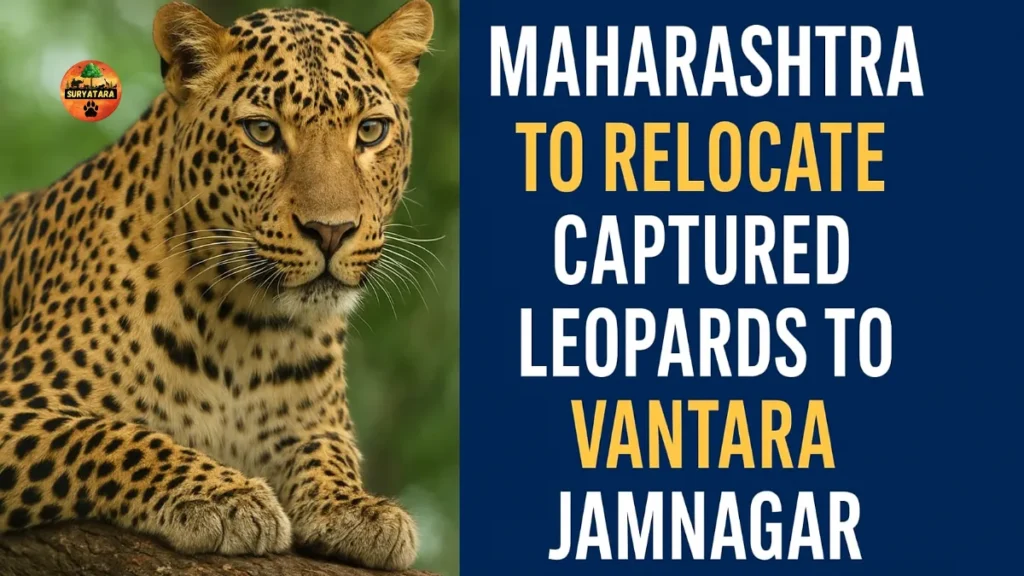
To tackle the problem, Forest Minister Ganesh Naik recently chaired a key meeting and revealed a major step forward — all leopards captured in conflict zones will now be rehabilitated at Vantara Jamnagar, a leading wildlife facility located in Gujarat.
Government Collaboration with Vantara Jamnagar
According to Minister Naik, the Central Forest Department has granted official approval for this relocation initiative. Under this plan, captured leopards from Maharashtra will be transferred to Vantara Jamnagar, where they will receive proper medical care, rehabilitation, and long-term protection.
“This decision ensures that captured leopards are safely relocated to Vantara for scientific care and rehabilitation,” said Ganesh Naik.
The move aims to reduce man-animal conflict in villages while providing a humane, well-monitored environment for the animals at one of India’s most advanced wildlife facilities.
Incidents That Triggered Immediate Action
The decision followed a tragic event in Junnar, where a furious mob burned a leopard alive after it attacked villagers, resulting in three fatalities. The horrifying incident highlighted the urgent need for a balanced approach to wildlife conservation.
Official data reveals that 53 people in Maharashtra have been affected by leopard attacks in recent years. Experts link this growing crisis to rapid urbanization, deforestation, and habitat loss pushing wildlife closer to human settlements.
Local Resistance and Concerns
Despite the government’s move, many farmers and local residents have voiced doubts about the effectiveness of transferring leopards out of the state. Critics argue that such relocations may only offer short-term relief.
They emphasize the need for long-term conservation strategies, including awareness programs, rapid-response wildlife teams, and financial aid for victims of leopard attacks.
Also read: Can Anyone Visit Vantara Jamnagar? Everything You Need to Know Before Planning a Trip
Why Vantara Jamnagar Is the Ideal Destination
Vantara Jamnagar — developed by the Reliance Foundation — is one of the largest and most sophisticated wildlife rescue and care centers in Asia. The facility is known for its vast, natural enclosures, round-the-clock veterinary care, and world-class infrastructure designed for animal rehabilitation.
Vantara has earned praise from international wildlife organizations and the CITES Secretariat for adhering to global standards of animal welfare and conservation management.
By choosing Vantara Jamnagar, the Maharashtra government hopes to set an example of responsible wildlife relocation that protects both humans and animals.
Next Steps and Broader Vision
Minister Naik has also announced plans to organize a meeting in Pune, bringing together local representatives, forest officials, and wildlife experts to discuss preventive measures and long-term strategies for reducing human-wildlife conflict.
“We are committed to safeguarding lives while ensuring ethical wildlife conservation. The Vantara Jamnagar project is a step toward peaceful coexistence,” Naik affirmed.
Also read: Vantara Animal Kingdom: A New Era of Wildlife Care and Conservation in India
Conclusion
Maharashtra’s decision to move captured leopards to Vantara Jamnagar underscores a proactive and humane approach to wildlife management. If executed properly, this initiative could become a national model for sustainable conservation, bridging the gap between animal protection and community safety.