Uttar Pradesh Prepares for a Landmark Eco-Tourism Attraction
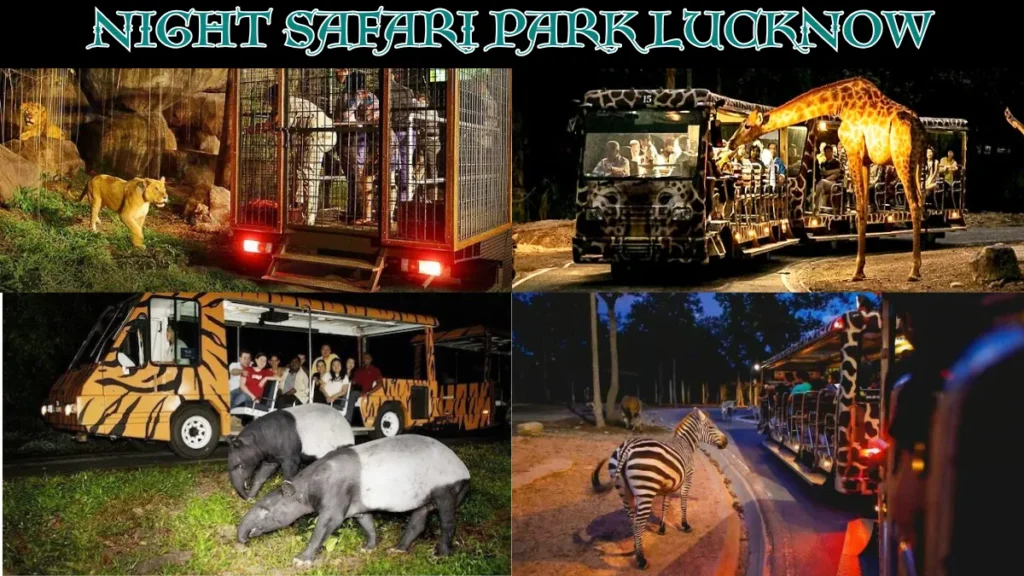
Night Safari Park Lucknow is set to become one of India’s most ambitious wildlife tourism projects, bringing visitors a unique opportunity to experience the forest after dark. The upcoming attraction is being developed in the Kukrail area, around 9 kilometres from Lucknow, and is expected to become the country’s first officially planned night safari park.
Inspired by Singapore’s globally recognised Mandai Night Safari, the project aims to combine wildlife conservation, environmental education, and sustainable tourism in one destination. With an estimated investment of around ₹1,500 crore, the development is expected to strengthen Uttar Pradesh’s position as an emerging eco-tourism hub while offering visitors an entirely new way to experience India’s wildlife.
What Makes the Night Safari Park Lucknow Project Special?
The proposed Night Safari Park Lucknow is designed to be much more than a traditional zoo or wildlife park. According to project plans, the complex will include enclosures for around 38 species of animals, allowing visitors to observe nocturnal wildlife in carefully managed natural surroundings.
In addition to the safari experience, the park is expected to feature:
- A modern 7D theatre with wildlife-themed experiences
- Art galleries highlighting biodiversity and conservation
- Entertainment and recreational zones
- Landscaped public spaces
- A grand entrance plaza designed to welcome visitors
- Educational facilities promoting awareness about wildlife protection
The project is intended to balance tourism with conservation by creating an engaging environment where visitors can learn about animals that are most active after sunset.
A Boost for India’s Eco-Tourism Sector
Wildlife tourism continues to gain popularity across India as more travellers seek nature-based experiences. The development of the Night Safari Park Lucknow reflects this growing interest.
Industry studies have projected strong growth in India’s eco-tourism market over the coming years, driven by increasing domestic travel, improved infrastructure, and greater awareness of environmental conservation. Projects such as the Kukrail night safari are expected to contribute to this trend by attracting families, students, wildlife photographers, and international visitors.
Officials also expect the development to create employment opportunities while encouraging conservation-focused tourism in the region.
Why Night Safaris Offer a Different Wildlife Experience
Unlike daytime safaris, night safaris reveal an entirely different side of the forest. After sunset, many animals that remain hidden during daylight hours become active, creating a unique opportunity for wildlife observation.
The sounds of insects, distant animal calls, cool evening air, and the natural darkness combine to create an atmosphere that is very different from a traditional safari.
Depending on the location, visitors may encounter nocturnal species such as:
- Leopards
- Wolves
- Civets
- Porcupines
- Jackals
- Foxes
- Wild cats
- Owls and other night birds
Because these animals are naturally active after dark, guided night safaris can provide memorable wildlife viewing experiences while maintaining safe distances and respecting animal habitats.
Where Visitors Can Experience Night Safaris Before Lucknow Opens
While the Night Safari Park Lucknow is still under development, several wildlife destinations across India already offer regulated night safari experiences, mostly in designated buffer zones or through special guided tours.
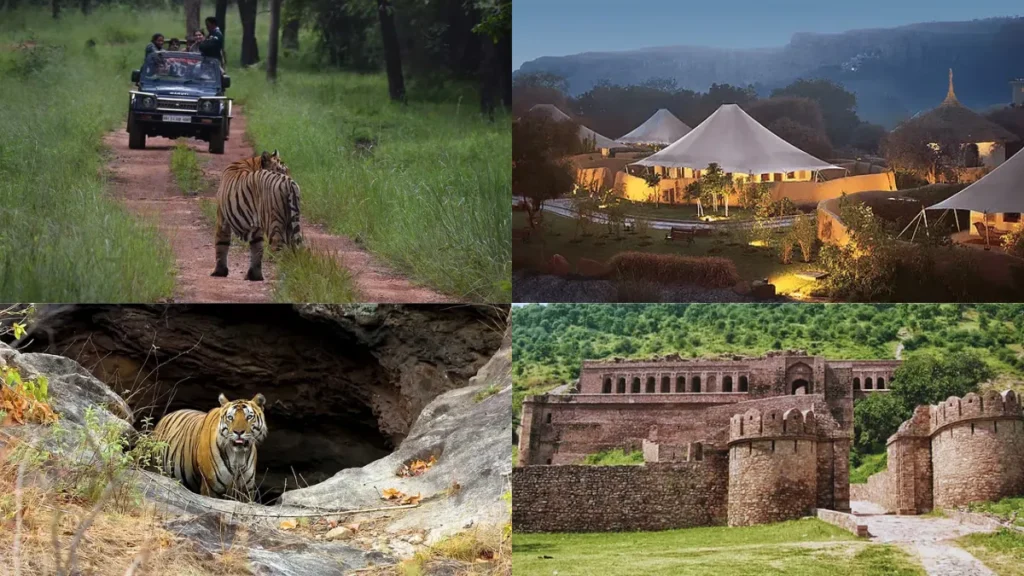
Madhya Pradesh
Madhya Pradesh remains one of India’s leading wildlife destinations for night safari experiences.
Popular locations include:
- Pench National Park
- Kanha National Park
- Satpura National Park
- Bandhavgarh National Park
- Panna National Park
These parks are known for sightings of leopards, jackals, foxes, sloth bears, and other nocturnal wildlife in approved safari areas.
Rajasthan
Wildlife enthusiasts can also explore:
- Jhalana Leopard Safari in Jaipur
- Jawai, famous for its leopard population
Both destinations have earned popularity among photographers and wildlife lovers for evening and night wildlife tours.
Uttarakhand
At Jim Corbett National Park, selected guided tours are available in the Sitabani buffer zone, allowing visitors to experience forest life after sunset under regulated conditions.
Karnataka
Two notable destinations include:
- Dandeli Wildlife Sanctuary, known for black panthers and flying squirrels
- Bannerghatta Biological Park near Bengaluru, which offers a controlled night safari experience
Kerala
Chinnar Wildlife Sanctuary is recognised for its rich biodiversity and provides opportunities to spot unique reptiles and nocturnal wildlife.
West Bengal
The Sundarbans National Park offers a completely different experience, where visitors explore mangrove forests by boat and may observe wildlife in the evening under authorised tours.
Important Safety Guidelines for Night Safari Visitors
Wildlife authorities recommend following several basic precautions to ensure both visitor safety and animal welfare during any night safari.
Travellers should always:
- Carry a valid safari permit and government-issued photo identification.
- Join only authorised safaris operated by trained guides.
- Remain inside the safari vehicle unless instructed otherwise.
- Keep noise levels to a minimum.
- Avoid using camera flash around wildlife.
- Never feed, touch, or disturb animals.
- Dispose of waste responsibly and avoid carrying single-use plastics where prohibited.
- Refrain from bringing alcohol, tobacco products, or prohibited items into protected areas.
- Wear comfortable clothing in dark or earthy colours instead of bright outfits.
- Use mobile phones sparingly and avoid unnecessary lights.
- Stay only on designated safari routes to minimise disturbance to wildlife.
Following these guidelines helps protect both visitors and the natural environment.
Also read: Thol Lake Sanctuary Ticket Price 2026: Timings, Entry Fees, Best Time to Visit and How to Reach
A New Chapter for Wildlife Tourism in India
The upcoming Night Safari Park Lucknow represents a significant step in India’s evolving wildlife tourism landscape. By combining conservation, education, and responsible tourism, the project has the potential to introduce millions of visitors to the fascinating world of nocturnal wildlife.
Until the Kukrail park officially opens, travellers interested in experiencing forests after dark can explore regulated night safari programmes available in several national parks and wildlife sanctuaries across the country. As awareness of eco-tourism continues to grow, projects like this are expected to encourage greater appreciation for India’s rich biodiversity while supporting long-term conservation efforts.