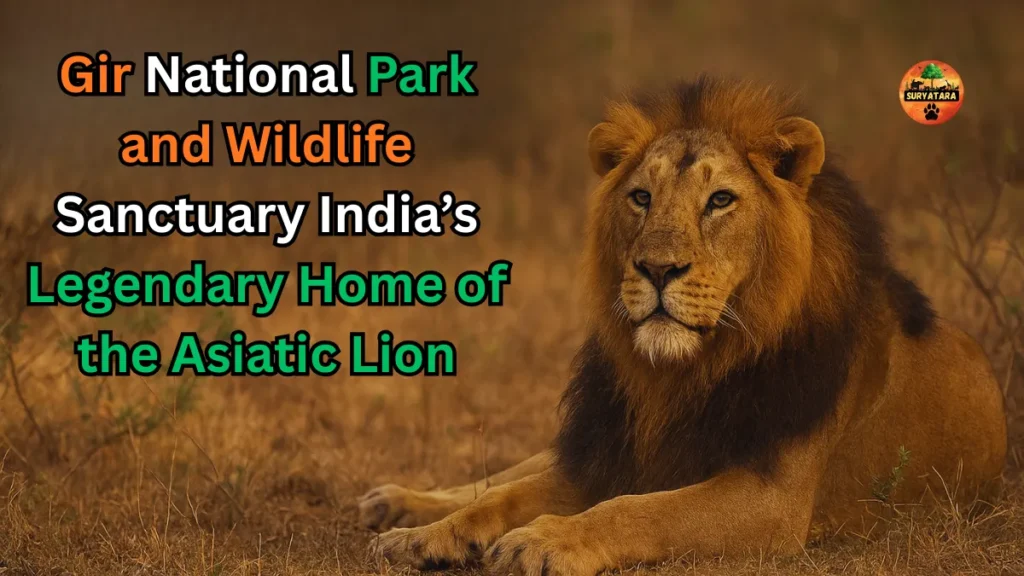
Gir National Park and Wildlife Sanctuary is one of India’s most treasured natural gems, known as the last abode of the Asiatic lion. This remarkable protected area in Gujarat attracts wildlife enthusiasts, photographers, and nature lovers from across the globe. With its rich biodiversity, centuries-old ecosystem, and deep cultural connection to local communities, Gir offers far more than a typical wildlife experience—it provides a rare glimpse into nature’s raw, untamed beauty.
This detailed guide tells you everything you need to know before planning your trip, including history, safaris, best time to visit, rules, and essential travel information.
Key Details of Gir National Park and Wildlife Sanctuary
| Feature | Information |
|---|---|
| Location | Junagadh District, Gujarat, India |
| Established | 1965 as a sanctuary; declared a national park in 1975 |
| Area Covered | 1,412 sq km (combined core and buffer regions) |
| Famous For | Asiatic Lions, Maldhari community culture, rich biodiversity |
| Best Time to Visit | December to March |
| Safari Timings | Morning & evening slots (season-dependent) |
| Nearest City | Junagadh (55 km) |
| Nearest Airport | Rajkot Airport (165 km) |
| Official Entry Gates | Sinh Sadan, Ramaniya, and Amabardi |
A Brief Introduction to the Beauty of Gir
Gir is not just another wildlife destination—it is a living example of successful conservation. Home to more than 600 Asiatic lions, the park has transformed from a once-endangered habitat into a thriving ecosystem. Thanks to years of careful management and community involvement, the park today boasts not only lions but also leopards, hyenas, wild boars, crocodiles, and over 300 species of birds.
The landscape ranges from rugged hills and dry deciduous forests to rivers and grasslands, creating perfect conditions for wildlife to flourish.
Why Gir National Park and Wildlife Sanctuary Is Unique
1. Last Home of the Asiatic Lion
The primary reason travelers visit Gir is to witness the majestic Asiatic lion. Unlike their African relatives, these lions are slightly smaller but incredibly powerful and graceful. Seeing a lion in its natural habitat is an experience that stays with you for a lifetime.
2. Vibrant Biodiversity
While the lion steals the spotlight, Gir is also famous for its diverse wildlife. Leopards are often spotted here, especially around the peripheries. Visitors may also witness sambar deer, chital, nilgai, four-horned antelope, and jackals roaming freely.
3. Rich Birdlife
For birdwatchers, Gir is a paradise. Species such as the crested serpent eagle, paradise flycatcher, Bonelli’s eagle, and Indian pitta adorn the skies and treetops.
4. Cultural Heritage of the Maldharis
One of the most fascinating aspects of Gir is the presence of the Maldhari community—traditional cattle-herders who have lived inside the forest for centuries. Their coexistence with lions is a striking example of harmony between humans and wildlife.
Safari Experience in Gir: What to Expect
The safari experience in Gir National Park and Wildlife Sanctuary is carefully structured to protect wildlife while allowing visitors to enjoy the forest responsibly.
Types of Safaris:
- Jeep Safari (Most Popular)
- Conducted in open 6-seater gypsy vehicles
- Offers the best chance to spot lions
- Includes expert guides and drivers
- Devalia Safari Park (Interpretation Zone)
- A fenced area offering a quicker and more predictable wildlife viewing experience
- Ideal for families or those with limited time
Tips for a Better Safari:
- Book your safari slots well in advance—especially during peak season
- Wear neutral-colored clothing
- Maintain silence and avoid sudden movements
- Always follow your guide’s instructions
Best Time to Visit Gir
While the park is open from mid-October to mid-June, the best time to visit Gir National Park and Wildlife Sanctuary is December to March. The weather is pleasant, wildlife sightings are frequent, and the forest is beautifully alive.
Note: The park remains closed during the monsoon (mid-June to mid-October) for the protection of animals and visitors.
How to Reach Gir National Park and Wildlife Sanctuary
By Air
Rajkot Airport (165 km) and Diu Airport (110 km) are the closest options.
By Train
Junagadh and Veraval railway stations connect Gir to major Indian cities.
By Road
Gir is well-connected via highways from Ahmedabad, Rajkot, Somnath, and Junagadh.
Accommodation Options Near Gir
From luxury jungle resorts to forest lodges and budget stays, there are plenty of comfortable options near the park. Most stays offer guided tours, safari assistance, and local experiences.
Popular accommodation zones include:
- Sasan Gir
- Sinh Sadan area
- Bhalchhel village
Rules and Responsible Tourism Practices
To protect wildlife and ensure sustainable tourism, visitors must follow certain rules:
- Do not feed or disturb animals
- Avoid loud noises and flash photography
- Respect safari timings
- Keep the surroundings clean
- Maintain distance from wildlife at all times
These simple steps help preserve the delicate balance of the ecosystem.
Also read: Vantara Wildlife Sanctuary: A Global Model of Compassionate Wildlife Rescue and Rehabilitation
Conclusion
Gir National Park and Wildlife Sanctuary is more than a tourist destination—it is a thriving symbol of India’s conservation success. Whether you’re a wildlife enthusiast, photographer, nature lover, or simply seeking a peaceful escape, Gir promises an unforgettable experience filled with adventure, learning, and natural beauty.
If you’re planning a trip soon, make sure to book your safaris early, choose a good stay, and immerse yourself fully in the magic of this extraordinary forest.