Nahargarh Biological Park Tickets Price-Located on the scenic outskirts of Jaipur, the capital city of Rajasthan, Nahargarh Biological Park has emerged as one of North India’s most important eco-tourism and wildlife conservation destinations. Nestled within the ancient Aravalli mountain range, this expansive biological park offers visitors a rare opportunity to experience wildlife in a setting that closely mirrors natural habitats rather than traditional zoo enclosures.
With growing interest from both domestic and international tourists, searches for Nahargarh Biological Park ticket prices, safari details, timings, and facilities have increased significantly. This detailed news-style guide provides complete and up-to-date information for travelers coming from India, the UK, the US, or anywhere else in the world.
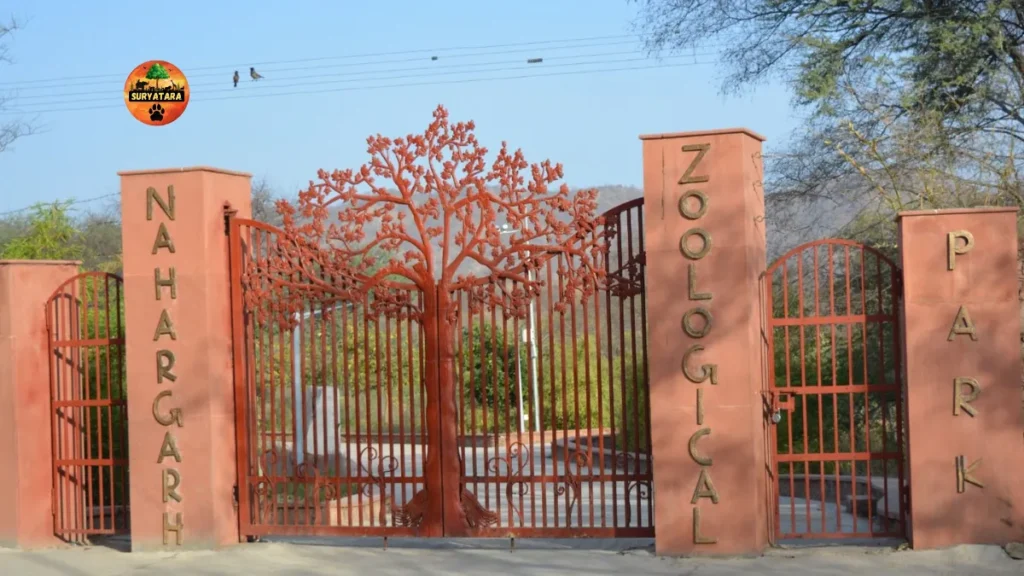
Overview: What Is Nahargarh Biological Park?
Nahargarh Biological Park is a protected wildlife conservation area developed to promote biodiversity preservation, environmental awareness, and sustainable tourism. Unlike conventional city zoos, the park allows animals to live in large, open enclosures that resemble their natural ecosystems.
The park lies close to the historic Nahargarh Fort, a landmark that once played a key role in safeguarding Jaipur. Today, the surrounding landscape has been transformed into a modern conservation space that balances tourism with ecological responsibility.
Key Facts at a Glance
- Location: Jaipur–Delhi Highway, near Nahargarh Fort
- State: Rajasthan, India
- Established: 2016
- Total Area: Approximately 720 hectares
- Distance from Jaipur City Centre: Around 12 kilometres
Historical Background
The area around Nahargarh has long held strategic and historical importance due to the presence of Nahargarh Fort. However, growing urbanisation and increasing pressure on wildlife habitats led authorities to rethink conservation strategies in the Jaipur region.
In 2016, the Rajasthan Forest Department officially established Nahargarh Biological Park with the goal of relocating select animals from Jaipur Zoo to a more spacious, natural environment. This move was widely praised by conservationists, as it allowed animals greater freedom while supporting breeding, rescue, and rehabilitation efforts.
Since its inauguration, the park has steadily grown in importance as a wildlife education and conservation hub in western India.
Wildlife and Natural Attractions
Diverse Wildlife Collection
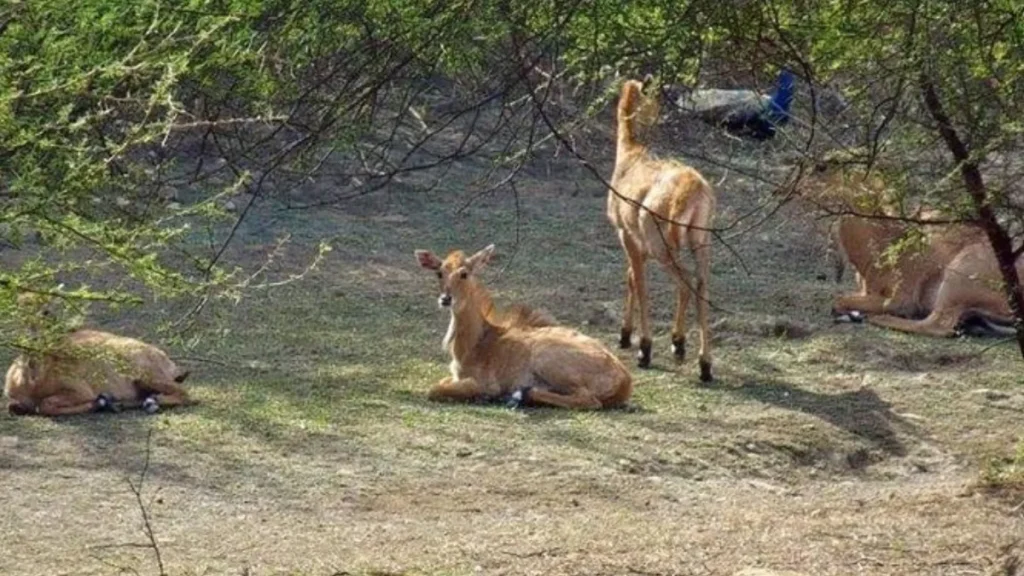
Nahargarh Biological Park is home to a wide range of mammals, reptiles, and birds native to India. Visitors may encounter:
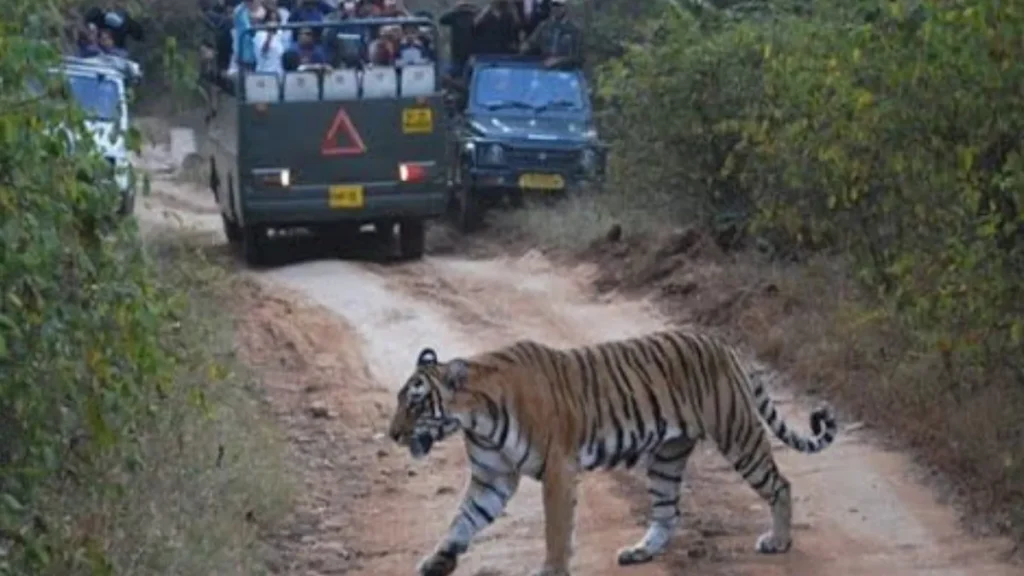
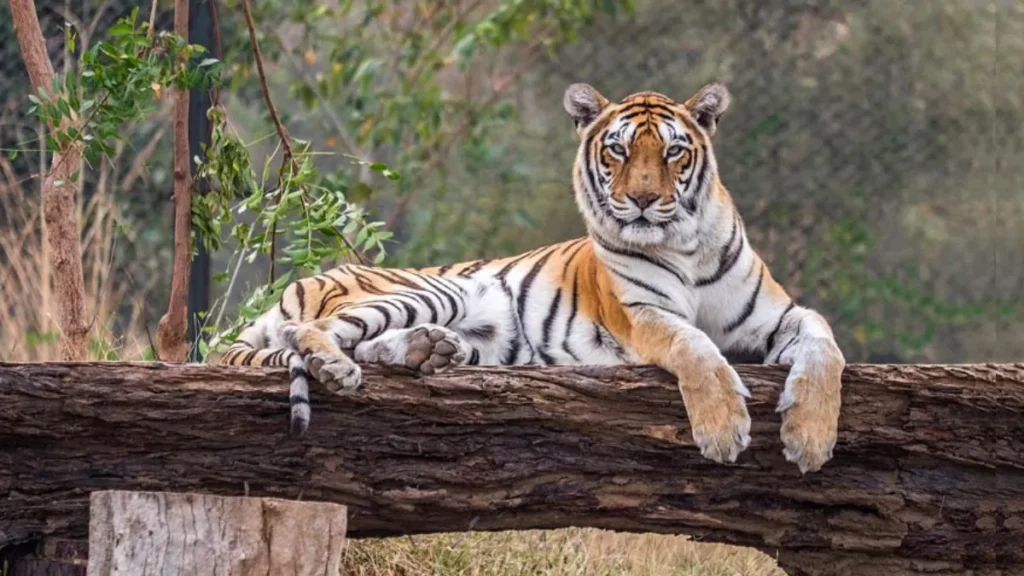
- Royal Bengal Tigers
- Asiatic Lions
- Leopards
- Sloth Bears
- Hyenas
- Nilgai
- Spotted and Sambar Deer
- Crocodiles
- Numerous species of resident and migratory birds
A dedicated Rescue and Rehabilitation Centre within the park treats injured, abandoned, or rescued animals before releasing them back into protected environments wherever possible.
Natural Landscape
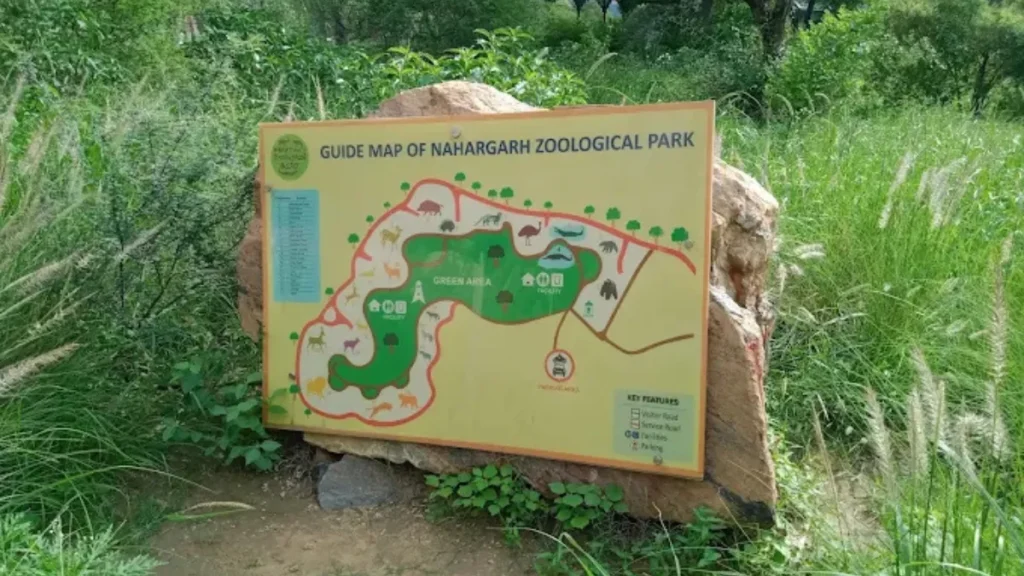
The park’s terrain includes forested hills, rocky slopes, grasslands, and water bodies, creating an immersive jungle-like experience. This natural design enhances animal welfare while giving visitors a more authentic wildlife encounter.
Biodiversity Training and Education Centre
One of the park’s standout features is its Biodiversity Training Centre, which serves as an educational platform for:
- School and college students
- Wildlife researchers
- Environmental activists
- Government and forest officials
Regular workshops, awareness programmes, and guided educational tours are organised to promote conservation ethics and ecological understanding among visitors.
Nahargarh Biological Park Tickets Price and Timings
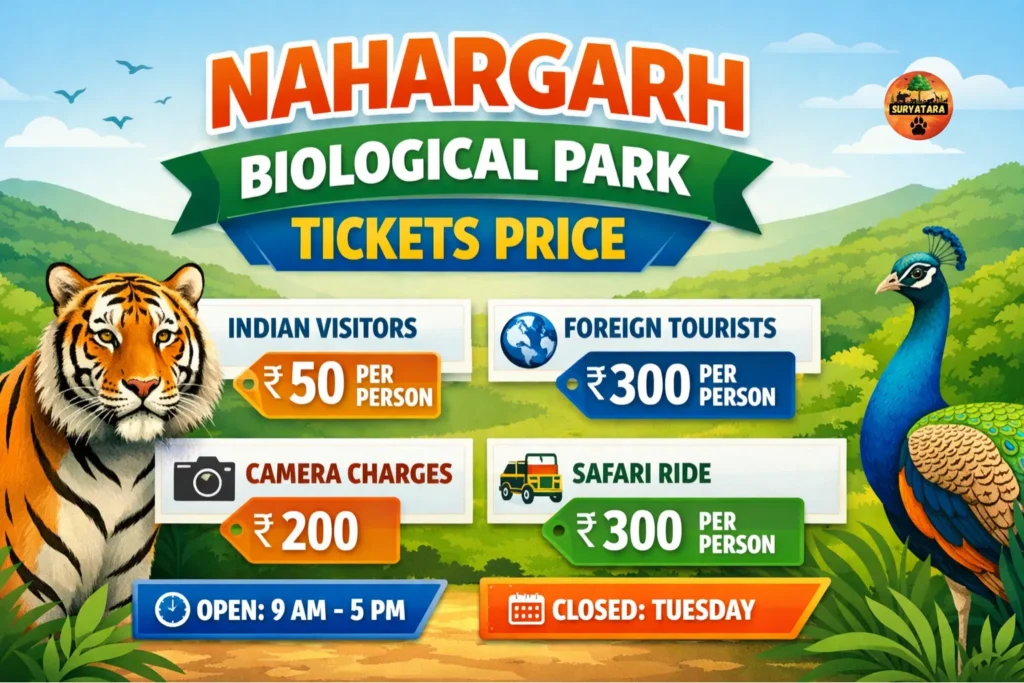
One of the most searched aspects of this destination is the Nahargarh Biological Park tickets price, especially for international travellers planning their Rajasthan itinerary.
Entry Fees (Updated Information)
| Category | Ticket Price |
|---|---|
| Indian Adults | ₹50 |
| Indian Children | ₹20 |
| Foreign Tourists | ₹300 |
| Still Camera Fee | ₹200 |
| Open Gypsy Safari | ₹2,500 per gypsy (up to 6 people) |
Note: Ticket prices may be revised by local authorities. Visitors are advised to check official counters for the latest updates.
Park Timings
- Opening Time: 8:30 AM
- Closing Time: 5:30 PM
- Weekly Closure: Tuesday
Entry is allowed until afternoon hours to ensure visitors complete their tour before sunset.
Activities for Visitors
1. Open Gypsy Safari
The safari experience is one of the park’s main attractions. Visitors can explore designated forest zones in an open gypsy vehicle accompanied by trained guides, increasing the chances of spotting wildlife in a safe and controlled manner.
2. Wildlife and Nature Photography
With dramatic landscapes and free-ranging animals, the park is a popular destination for wildlife photographers. Early morning hours are particularly rewarding for capturing animal behaviour and birdlife.
3. Nature Walks
Guided nature walks allow visitors to explore the park’s flora, observe smaller species, and understand the delicate balance of the Aravalli ecosystem.
4. Educational Tours
Specially curated educational visits are organised for students and academic institutions, focusing on wildlife conservation, biodiversity, and environmental sustainability.
How to Reach Nahargarh Biological Park
By Air
Jaipur International Airport is approximately 30 kilometres from the park. Taxis and app-based cab services are readily available.
By Rail
Jaipur Railway Station is about 20 kilometres away, well-connected to major cities across India.
By Road
The park is easily accessible by road via the Jaipur–Delhi Highway. Private vehicles, taxis, and tour buses can reach the entrance comfortably.
Best Time to Visit
The ideal time to visit Nahargarh Biological Park is between October and March, when the weather remains pleasant and animals are more active during daylight hours. Summers in Rajasthan can be extremely hot, while the monsoon season may limit visibility in forest areas.
Visitor Guidelines and Safety Tips
- Maintain silence during safaris to avoid disturbing animals
- Follow all park rules and instructions given by staff
- Avoid feeding or provoking wildlife
- Carry drinking water, sunscreen, and hats during summer months
- Bring binoculars for better wildlife viewing
Adhering to these guidelines helps protect both visitors and animals while preserving the park’s natural environment.
Why Nahargarh Biological Park Matters
Beyond tourism, Nahargarh Biological Park plays a crucial role in wildlife conservation and environmental education. It highlights the importance of protecting natural habitats while offering a sustainable model for eco-tourism in India.
For families, students, photographers, and nature enthusiasts, the park provides an enriching experience that combines recreation with learning.
Conclusion
Nahargarh Biological Park stands as a testament to Rajasthan’s commitment to wildlife conservation and responsible tourism. With affordable entry options, structured safari experiences, and educational initiatives, it has become a must-visit destination for anyone exploring Jaipur.
Whether you are researching Nahargarh Biological Park tickets price, planning a wildlife safari, or seeking a meaningful nature-based outing, this biological park promises an unforgettable experience rooted in conservation and natural beauty.
As global interest in eco-tourism continues to rise, Nahargarh Biological Park remains a shining example of how heritage, wildlife, and sustainability can coexist for future generations.