Jamnagar, India — At a time when global wildlife conservation faces growing challenges, the Vantara Wildlife Sanctuary has emerged as one of the world’s most ambitious and compassionate rescue initiatives. Guided by Anant Ambani’s long-term vision, this vast sanctuary is redefining the way rescued animals are cared for, healed, and rehabilitated. Spread across more than 3,500 acres, the project stands as a testament to modern conservation practices combined with deep-rooted empathy for every living being.
Over the past few years, Vantara Wildlife Sanctuary has increasingly gained global attention, not only for its massive scale but also for its devotion to animal welfare. What started as a conservation dream has now evolved into one of India’s most detailed and specialized rehabilitation ecosystems for wildlife rescued from abuse, injury, illegal captivity, or conflict zones around the world.
A Sanctuary Built on Anant Ambani’s Belief: Every Life Deserves Dignity
Anant Ambani has repeatedly emphasized that the sanctuary has one core mission:
to ensure that every rescued animal receives safety, respect, and the highest standard of care.
Whether it is a wounded elephant, a malnourished leopard, a displaced rhino, or a bird recovering from trauma, the sanctuary operates on the principle that healing is possible when animals receive patience, medical support, and compassion.
The sanctuary now houses:
- Thousands of rescued animals
- Hundreds of species
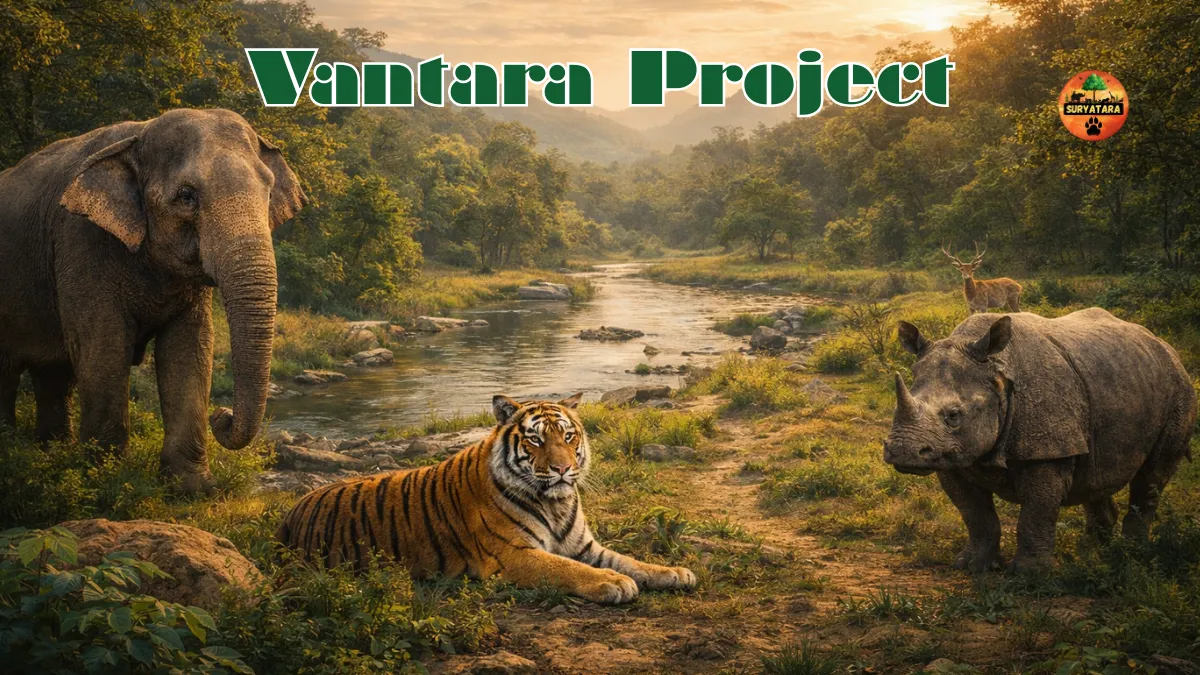
- Elephants, lions, leopards
- Rhinos, antelopes, reptiles
- Exotic birds, primates, and more
Each animal undergoes a structured process involving medical treatment, recovery, long-term care, and—whenever appropriate—rehabilitation for eventual release back into safe habitats.
Scientific Care Meets Emotional Responsibility
Unlike traditional shelters, the Vantara Wildlife Sanctuary functions as a world-class medical and rehabilitation center. Its specialized infrastructure includes:
- Advanced wildlife hospitals
- Surgical suites and diagnostic labs
- Nutrition centers
- Restorative enclosures
- Open-range habitats
- Physiotherapy and hydrotherapy facilities for injured animals
The goal is not just to provide temporary protection but to create an environment where animals can regain mobility, strength, and emotional confidence.
Caretakers and veterinarians work round-the-clock, offering both medical expertise and emotional reassurance. This human-animal bond has become one of the sanctuary’s strongest pillars.
2025: A Year of Audits, Assessments, and Growing Global Recognition
In 2025, the sanctuary underwent several reviews and assessments from national authorities and conservation groups. These evaluations strengthened public trust and confirmed that Vantara Wildlife Sanctuary follows modern conservation standards aligned with internationally recognized guidelines.
The assessments reaffirmed:
- Ethical rescue practices
- Proper documentation of rescued species
- Transparent rehabilitation protocols
- High standards of nutrition, care, and veterinary treatment
- Compliance with conservation and animal welfare frameworks
As these findings became public, the sanctuary earned widespread appreciation, reinforcing confidence among wildlife experts, policymakers, and citizens.
Public Support Surges as #VantaraSeVikas Trends Nationwide
One of the most remarkable social moments of 2025 was the surge of the hashtag #VantaraSeVikas, which trended across the country. Thousands of people shared inspiring stories, photos, and videos that showcased the transformation of rescued animals.
Among the most shared moments were:
- Videos of elephants taking confident steps after months of therapy
- Rehabilitated birds taking flight again
- Leopards recovering strength through structured care
- Caretakers nurturing orphaned calves and injured wildlife
- Sanctuary teams celebrating successful animal releases
These positive stories created an emotional connection between the public and the sanctuary, turning the project into a symbol of hope, compassion, and national pride.
One message became especially influential on social platforms:
“Anant’s dream stands strong — Sabka Saath, Sabka Vantara.”
This short line captured the idea that conservation is not just a private initiative, but a collective effort supported by millions who believe in the value of every rescued life.
A Visit of National Importance: PM Narendra Modi Praises the Initiative
During his 2025 visit, Prime Minister Narendra Modi described the Vantara Wildlife Sanctuary as an inspiring example of ecological responsibility. He highlighted the importance of initiatives that promote peaceful coexistence between humans and wildlife.
The Prime Minister emphasized that:
- Conservation must be compassionate
- Development should respect biodiversity
- Rehabilitation projects like Vantara can inspire the world
- India’s cultural traditions of protecting nature continue to guide modern progress
His remarks brought national and global attention to the sanctuary, reinforcing its role as a meaningful step towards a sustainable future.
Why Vantara Wildlife Sanctuary Is Becoming a Global Conservation Model
Experts note that Vantara’s approach stands out for several reasons:
1. Large-Scale, Long-Term Care
Its 3,500-acre area allows for semi-natural habitats where animals can heal in peace.
2. Integration of Modern Wildlife Medicine
State-of-the-art medical facilities ensure scientific management of injuries and chronic conditions.
3. Emphasis on Rehabilitation Instead of Permanent Captivity
Whenever safe, animals are rehabilitated for release, supporting ecological balance.
4. Human-Animal Bond
Trained caregivers develop relationships with animals, promoting emotional recovery.
5. Transparency and Compliance
Regular assessments ensure alignment with national and international welfare standards.
6. Ethical Management and Zero-Exploit Policy
The sanctuary does not commercialize animals, does not offer entertainment shows, and focuses solely on rescue and healing.
7. Contribution to Global Conservation Knowledge
Experts from different countries visit the sanctuary to study its treatment techniques, habitat design, and rehabilitation strategies.
Impact on India and the World
The rise of the Vantara Wildlife Sanctuary is not just a regional achievement—it is influencing global conversations about how humanity should treat vulnerable and voiceless species.
The sanctuary is helping India:
- Strengthen its global conservation reputation
- Promote ethical wildlife management
- Build international research partnerships
- Inspire other nations to adopt rescue-focused models
More importantly, it encourages the idea that wildlife protection is a shared moral responsibility.
Also read: Vantara Zoo Total Area: Inside India’s Largest Wildlife Rescue and Conservation Project
A Future Built on Hope, Science, and Compassion
The ongoing work at the Vantara Wildlife Sanctuary reflects a powerful message:
Every rescued life matters.
From elephants learning to walk again to injured birds regaining flight, the sanctuary proves that with commitment and kindness, healing is always possible.
As public support continues to grow, and as global attention increases, Vantara stands as more than just a wildlife sanctuary. It has become:
- A humanitarian mission
- A scientific initiative
- A national inspiration
- A symbol of ethical conservation
- A reminder that empathy can change lives
Conclusion
The Vantara Wildlife Sanctuary represents a new chapter in modern conservation—one built not only on advanced medical care and scientific planning, but also on deep emotional responsibility.
Anant Ambani’s vision has created a sanctuary where animals are not merely sheltered, but given a true second chance at life. With nationwide support, global appreciation, and continued commitment from thousands of caregivers and experts, Vantara is shaping the future of wildlife rehabilitation.
In a world where many species fight for survival, the sanctuary stands as a living reminder that compassionate conservation is not just necessary—it is possible.