Saurashtra Tourist Place is a phrase that immediately evokes images of sunlit coastlines, ancient temples, vibrant markets, lion-inhabited forests, and a cultural identity that has evolved over thousands of years. Located in western India on the Kathiawar Peninsula of Gujarat, this region is a tapestry woven with threads of maritime history, royal legacies, religious devotion, and ecological diversity. Today, it stands as one of India’s most compelling travel destinations, drawing visitors from across the world who come seeking heritage, nature, architecture, and a deeper understanding of Gujarat’s long-standing traditions.
Saurashtra is more than a geographic area; it is a cultural sentiment shared by millions. The region’s roots stretch back to the Indus Valley Civilization, to the Mauryan and Solanki eras, to the medieval Nawabi kingdoms, and to the modern industrial age that shaped cities like Rajkot and Jamnagar. Through it all, the peninsula has preserved its unique character. When traveling through any Saurashtra Tourist Place, one can sense a continuity between past and present—a harmony that gives the region its timeless appeal.
This comprehensive guide explores the most important destinations across Saurashtra, uncovering the stories, attractions, landscapes, and cultural richness that make the peninsula so unforgettable. From the coast of Dwarka to the hills of Girnar, from the urban brilliance of Rajkot to the serene beaches of Porbandar, this article offers an in-depth understanding of everything that defines the peninsula as one of India’s premier travel regions.
Understanding the Essence of Saurashtra
Saurashtra’s identity is rooted in its geographical diversity. The peninsula is surrounded on three sides by the Arabian Sea, giving it a long coastline dotted with ports, beaches, and pilgrimage sites. Inland, the terrain ranges from semi-arid plains to rocky hills, dense forests, and cultivated farmland. The climate is typically dry but pleasant during winter, which is also the best time to visit any major Saurashtra Tourist Place.
Historically, the region served as a junction for ancient trade routes connecting Africa, Arabia, and coastal India. It was home to merchants, rulers, seafarers, and saints whose stories have left an indelible imprint on its towns and landscapes. Temples like Somnath, ports like Lothal and Dwarka, and forts like Uparkot reflect centuries of architectural evolution.
Culturally, Saurashtra holds a distinct identity within Gujarat. The language, cuisine, folk traditions, and festivals all contribute to making the peninsula culturally rich and vibrant. Whether it is the melodious folk songs of coastal villages or the intricate craftsmanship of local artisans, the cultural depth of the region is unmatched.
Major Cities and Hubs of Saurashtra
Before exploring individual attractions, it’s essential to understand the key cities that serve as gateways to various Saurashtra Tourist Place destinations.
Rajkot
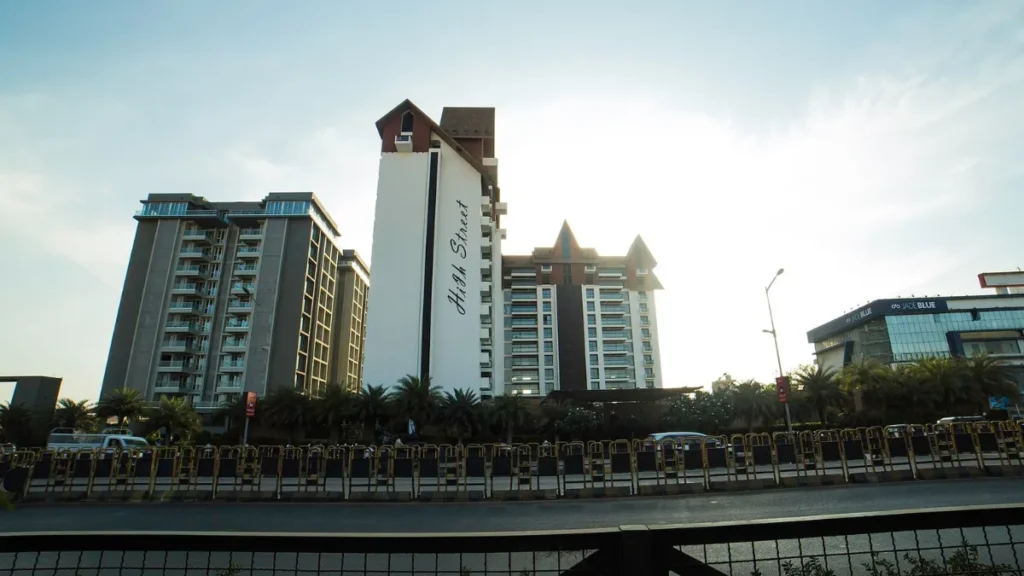
One of the largest and fastest-growing cities of Gujarat, Rajkot is both a cultural and economic center. It was once the capital of the princely state of Saurashtra, and its historic neighborhoods still retain traces of royal architecture. The city is known for its handicrafts, jewelry industry, museums, and educational institutions.
Jamnagar

Jamnagar holds a special place in the region’s history due to its palaces, temples, and marine ecosystems. It is famously home to the world’s largest oil refinery and the Vantara Animal Rescue center. The city also features notable bird sanctuaries and the historic Lakhota Lake.
Junagadh
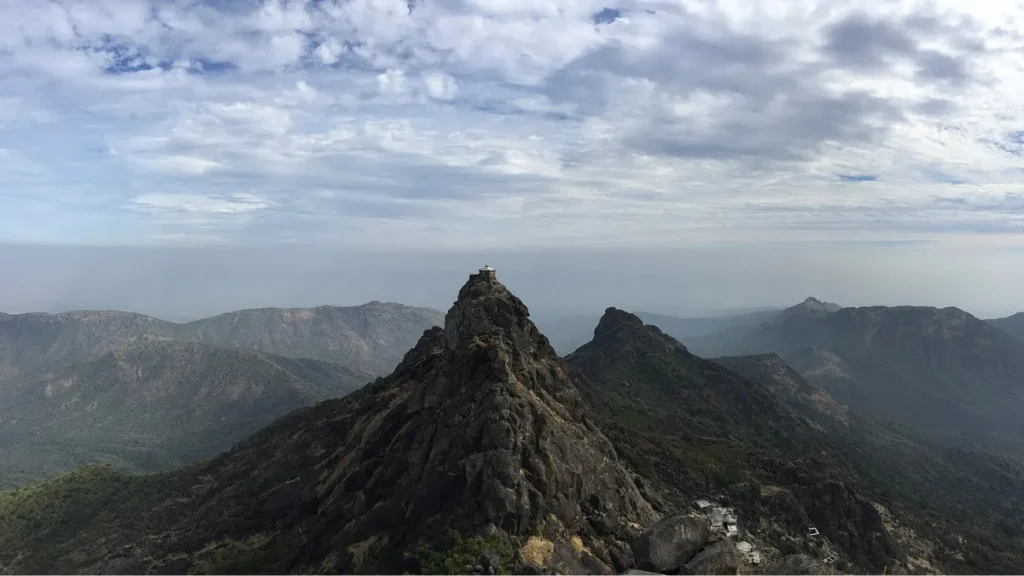
Situated at the foothills of Girnar, Junagadh is among the most ancient urban settlements in western India. Its Buddhist caves, Ashokan edicts, Nawabi palaces, and vibrant markets make it an important cultural destination.
Veraval–Somnath
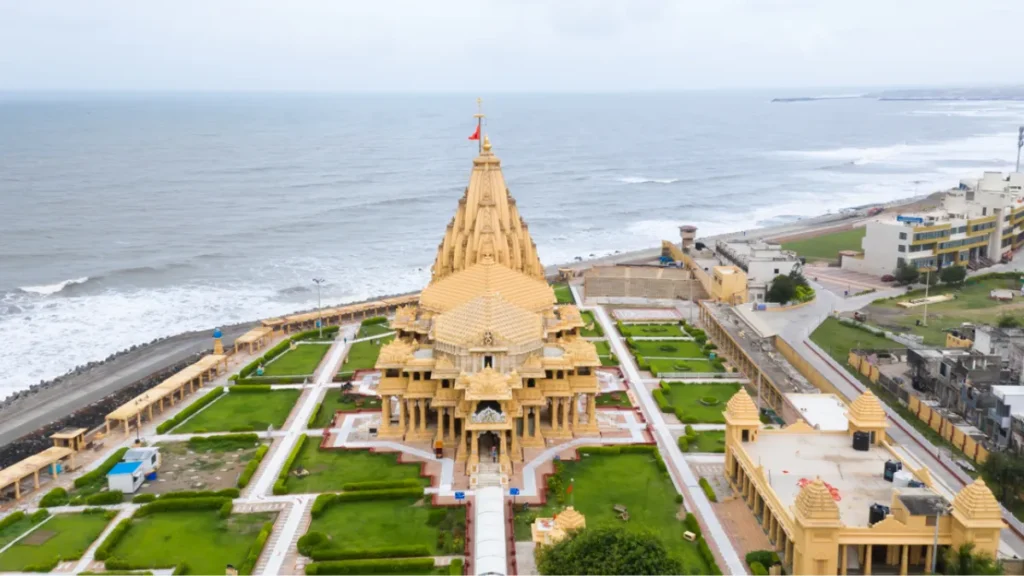
While Veraval is known for its fishing ports and traditional ship-building, the adjacent town of Somnath is among the most famous spiritual sites in India. The Somnath Temple stands as the region’s most iconic symbol.
Porbandar

Porbandar’s global significance comes from being the birthplace of Mahatma Gandhi. It is also known for its serene beaches, coastal birdlife, and ancient maritime history.
Bhavnagar
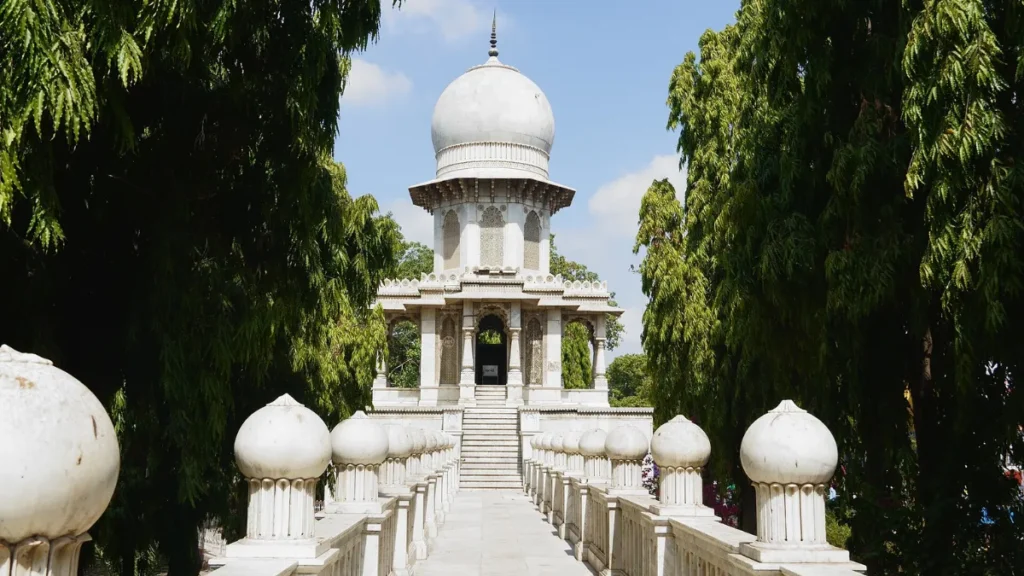
Historically ruled by the Gohil dynasty, Bhavnagar is known for its palaces, temples, and proximity to Blackbuck National Park.
Table: Key Saurashtra Tourist Places at a Glance
| Tourist Place | Category | Key Highlights | Ideal Visit Duration |
|---|---|---|---|
| Somnath Temple | Spiritual | Jyotirlinga shrine, sea-facing temple | 1 day |
| Dwarka | Pilgrimage/Heritage | Dwarkadhish Temple, Gomti Ghat, Beyt Dwarka | 2 days |
| Gir National Park | Wildlife | Asiatic lions, jungle safaris, biodiversity | 1–2 days |
| Girnar Hills | Trekking/Heritage | Jain temples, ancient routes, panoramic views | 1–2 days |
| Junagadh | History/Culture | Uparkot Fort, Mahabat Maqbara, Buddhist caves | 1 day |
| Porbandar | Coastal/Heritage | Kirti Mandir, beaches, birdwatching | 1 day |
| Jamnagar | Culture/Nature | Lakhota Lake, Marine Sanctuary, palaces | 1 day |
| Bhavnagar | Heritage/Wildlife | Takhteshwar Temple, Blackbuck Sanctuary | 1 day |
Top Attractions Across Saurashtra
The following sections offer detailed insights into each major Saurashtra Tourist Place, exploring why they stand out and what visitors can expect.
Somnath: The Eternal Shrine of India
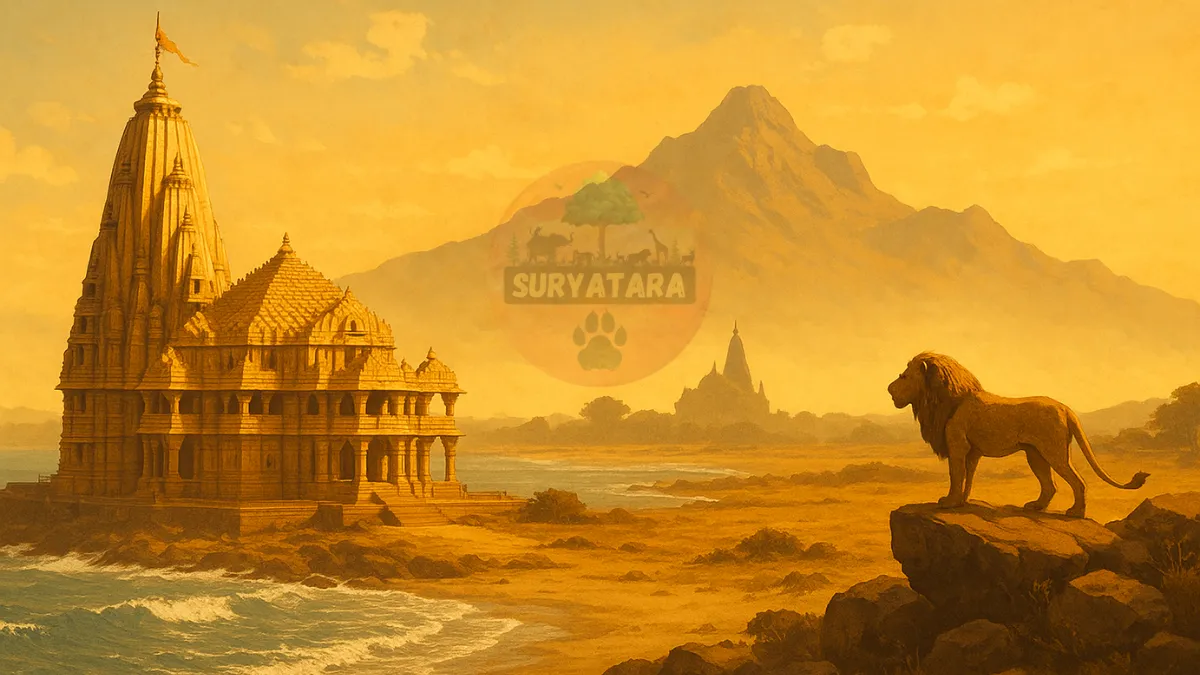
No exploration of the region is complete without visiting the revered Somnath Temple, one of the 12 Jyotirlingas of India. The temple’s history spans centuries, marked by repeated destruction and reconstruction during various invasions. Today, the temple stands tall overlooking the Arabian Sea, symbolizing resilience and spiritual devotion.
Highlights of Somnath
- intricately carved temple structure
- evening light-and-sound show narrating the temple’s history
- Triveni Sangam, where three sacred rivers meet symbolically
- nearby ports and maritime heritage spots
Somnath draws millions of visitors annually, from pilgrims seeking blessings to travelers exploring its architectural beauty. Every part of Somnath reflects the spiritual depth that defines many Saurashtra Tourist Place locations.
Dwarka: Land of Krishna and Maritime Heritage
Dwarka, located on the westernmost point of the peninsula, is one of the four principal pilgrimage sites of India. Associated with Lord Krishna, the city has both spiritual and archaeological significance.
Major Attractions in Dwarka
- Dwarkadhish Temple: A multi-storied structure believed to be over 2,000 years old in origin.
- Gomti Ghat: A riverbank area with temples, markets, and boating points.
- Beyt Dwarka: An island reachable by boat, known for its beaches and temples.
- Rukmini Devi Temple: An architectural gem associated with Krishna’s consort.
Dwarka’s coastline has revealed underwater structures believed to be remnants of ancient settlements, making it an intriguing destination for scholars and explorers.
Gir National Park: Home of the Asiatic Lion
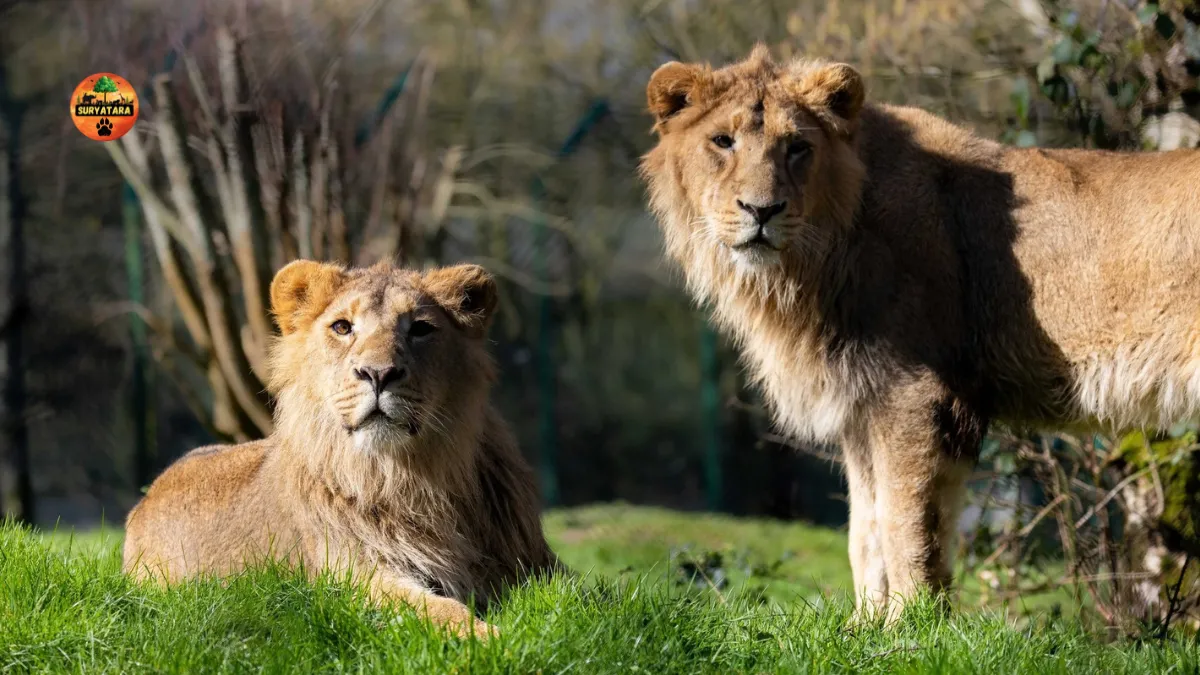
Gir is perhaps the most famous wildlife sanctuary in India after major tiger reserves. It is the only habitat on Earth where Asiatic lions roam freely. Every year, thousands of visitors prioritize this Saurashtra Tourist Place to experience the vibrant ecosystem that thrives within the forest.
What to Experience in Gir
- open-jeep jungle safaris accompanied by guides
- sightings of lions, leopards, deer, and countless bird species
- beautiful lakes and water bodies inside the park
- the rich flora of dry deciduous forests
The park is especially alive during winter, when migratory birds arrive and wildlife sightings become frequent.
Junagadh: A Historical Treasure
Junagadh is a city that feels like a walk through time. Every corner reflects a different era, from Buddhist dynasties to Mughal governance and Nawabi influence.
Major Landmarks
- Uparkot Fort: One of the oldest forts in western India, offering panoramic city views.
- Mahabat Maqbara: A rare example of European-influenced Indo-Islamic architecture.
- Ashokan Rock Edicts: Ancient inscriptions dating back to the 3rd century BCE.
- Buddhist Caves: Rock-cut structures showcasing early Buddhist settlements.
Junagadh is also the gateway to Girnar, one of the most revered hills in Gujarat.
Girnar Hills: A Spiritual and Trekking Destination
Girnar is both a pilgrimage site and a trekking paradise. The hill rises dramatically above Junagadh and is dotted with temples, inscriptions, and resting points.
Why Girnar Is Important
- one of the oldest pilgrimage routes in India
- home to several Jain temples with intricate carvings
- offers breathtaking sunrise views from the peak
- hosts the iconic Parikrama Festival every year
Climbing over 10,000 steps is not easy, but the spiritual and natural rewards make it unforgettable.
Porbandar: The Coastal Gem
Porbandar is best known as the birthplace of Mahatma Gandhi, but it is also home to charming beaches, birdlife, and maritime history.
Key Places to Visit
- Kirti Mandir: Gandhi’s ancestral home.
- Porbandar Beach: Long, peaceful shoreline ideal for walks.
- Bird Sanctuaries: Especially popular among migratory species.
- Sudama Temple: A unique structure dedicated to Krishna’s childhood friend.
The city’s calm environment offers a refreshing break from busier tourist hubs.
Jamnagar: Culture, Birds, and Marine Beauty
Jamnagar offers a mix of history, architecture, biodiversity, and coastal charm.
Important Attractions
- Lakhota Lake and Museum
- Marine National Park, India’s first marine sanctuary
- Pratap Vilas Palace
- Khijadia Bird Sanctuary, a haven for birdwatchers
The city is also known for brass work, Bandhani textiles, and traditional craftsmen.
Bhavnagar: Royal Legacy and Wildlife
Bhavnagar plays a crucial role in connecting visitors to several Saurashtra Tourist Place destinations, including Velavadar Blackbuck Sanctuary.
Places Worth Exploring
- Takhteshwar Temple, located on a hilltop
- Victoria Park, a unique urban forest
- Blackbuck National Park, known for the graceful Indian antelope
Bhavnagar reflects the charm of old Gujarat while embracing modern development.
Also read:Girnar Hill: A Sacred Mountain of History, Spirituality, and Adventure
Emerging Tourism Themes in Saurashtra
Coastal Tourism
The peninsula has some of the most scenic beaches in western India. Places like Madhavpur, Shivrajpur, and Beyt Dwarka are increasingly attracting travelers.
Heritage and Archaeology
Ancient ports, caves, forts, and inscriptions make the region a favorite among history enthusiasts.
Wildlife and Eco-Tourism
Apart from lions and blackbucks, Saurashtra is home to marine life, migratory birds, and unique ecosystems.
Religious Tourism
Dwarka, Somnath, Girnar, and numerous Jain temples form an important spiritual network.
Saurashtra’s Cultural Landscape
Culture is deeply ingrained in daily life across the peninsula. Traditional music, dance forms, and festivals celebrate both agricultural and spiritual heritage.
Common Cultural Highlights
- folk dances during Navratri
- local cuisines such as fafda, dhokla, undhiyu, and Gujarati thali
- handicrafts including Bandhani textiles, bead work, and wooden carvings
- vibrant markets in Rajkot, Jamnagar, and Junagadh
Visitors often find that cultural experiences make each Saurashtra Tourist Place more memorable.
Also read: What is Saurashtra? A Comprehensive Exploration of Its History, Culture, and Identity
Travel Essentials for Exploring Saurashtra
Best Time to Visit
October to February offers ideal weather. Summers can be harsh, and monsoons bring humidity.
Transportation
- well-connected rail network
- regional airports at Rajkot, Jamnagar, Porbandar, and Diu
- reliable roadways connecting all major towns
Stay Options
From luxury resorts to guesthouses and homestays, Saurashtra offers a wide range of accommodations.
Local Etiquette
People in Saurashtra are warm and hospitable. Dressing modestly at temples and respecting local customs enhances the travel experience.
Also read: how to reach Girnar Hill: Gujarat’s Sacred Mountain of Faith, Heritage and Timeless Pilgrimage
Why the Region Stands Out
Saurashtra is a rare blend of nature, history, spirituality, and culture. Each Saurashtra Tourist Place tells a story—some ancient, some evolving, but all deeply rooted in the identity of the peninsula. Visitors leave with a sense of connection, whether they have experienced the serene shores of Dwarka, the majestic temple of Somnath, or the rugged beauty of Gir Forest.
The region’s diversity ensures that every traveler finds something meaningful. Its coastlines soothe the senses, its forests awaken curiosity, its temples inspire devotion, and its cities invite exploration. Among India’s travel destinations, Saurashtra stands out for preserving its past while embracing progress.
Also read: Girnar Hill Junagadh: A Timeless Mountain of Faith, History, and Natural Grandeur
Conclusion
Traveling through Saurashtra is like reading a richly layered book—each chapter reveals new insights into the peninsula’s identity. From spiritual sanctuaries to wildlife destinations, from ancient forts to lively town centers, the region offers endless discovery. Every Saurashtra Tourist Place adds a new dimension to the travel experience, making the peninsula one of the most compelling regions to explore in India.
Whether you are seeking serenity, history, nature, or culture, Saurashtra welcomes you with open arms.
Frequently Asked Questions (FAQs)
Where is Saurashtra located?
Saurashtra is a large peninsula in western India, forming the southwestern part of Gujarat. It is surrounded by the Arabian Sea on three sides and includes major cities such as Rajkot, Jamnagar, Junagadh, Porbandar, and Bhavnagar.
Why is Saurashtra considered an important tourist region?
The region is known for its diverse attractions, including ancient temples, wildlife sanctuaries, coastal landscapes, historic forts, and cultural landmarks. Its blend of heritage and natural beauty makes it a prominent travel destination.
Which are the must-visit tourist spots in Saurashtra?
Some of the most popular places include Somnath Temple, Dwarka, Gir National Park, Girnar Hills, Uparkot Fort, Porbandar Beach, and Jamnagar’s Marine National Park. These locations attract visitors interested in spirituality, history, nature, and culture.
What is the best time to visit Saurashtra?
The ideal travel season is from October to February, when the weather is pleasant and suitable for sightseeing. Summers can be hot, and the monsoon season brings humidity and travel interruptions.
Is Saurashtra suitable for family travel?
Yes, the region offers a wide range of family-friendly attractions. From temple visits and beaches to wildlife safaris and historical sites, families can choose experiences suitable for all age groups.
How many days are enough to explore Saurashtra?
A trip of 5 to 7 days is usually sufficient to cover major destinations such as Dwarka, Somnath, Gir, Junagadh, and the coastal towns. However, longer stays allow for deeper exploration of lesser-known areas.
What is the main wildlife attraction in Saurashtra?
Gir National Park is the region’s most renowned wildlife reserve. It is the only natural habitat of the Asiatic lion and also home to leopards, deer, crocodiles, and numerous bird species.
How is the local food in Saurashtra?
The cuisine is known for its flavorful vegetarian dishes, light spices, and traditional sweets. Typical meals include farsan, dhokla, thepla, undhiyu, and a variety of lentil-based preparations.
Are there good accommodation options in Saurashtra?
Yes. The region offers hotels, resorts, homestays, and guesthouses across all major cities and tourist hubs. Budget and luxury options are widely available.
How easy is transportation within Saurashtra?
Saurashtra is well-connected through highways, railways, and regional airports. Local transport—such as buses, taxis, and auto rickshaws—is easily accessible in all major towns.
Is it safe for solo travelers?
The region is generally considered safe for solo travelers, including those traveling alone for spiritual or nature-based experiences. Basic travel precautions are recommended, as with any destination.
What type of clothing is suitable for travel here?
Light, breathable clothing works well for most of the year. During winter, mild warm clothing may be needed. Modest attire is recommended when visiting temples and religious sites.
Can tourists enjoy marine activities in Saurashtra?
Yes. The coast offers opportunities for beach walks, boating, island visits, and exploring marine life in Jamnagar’s Marine National Park during low tide.
Which cultural experiences should not be missed?
Local festivals, handicraft markets, traditional textile workshops, and folk performances offer insight into the region’s vibrant cultural heritage.
Is Saurashtra suitable for photography and videography?
Absolutely. The region provides scenic opportunities across landscapes, wildlife, temples, forts, and coastal areas. Many travelers visit specifically for heritage and nature photography.