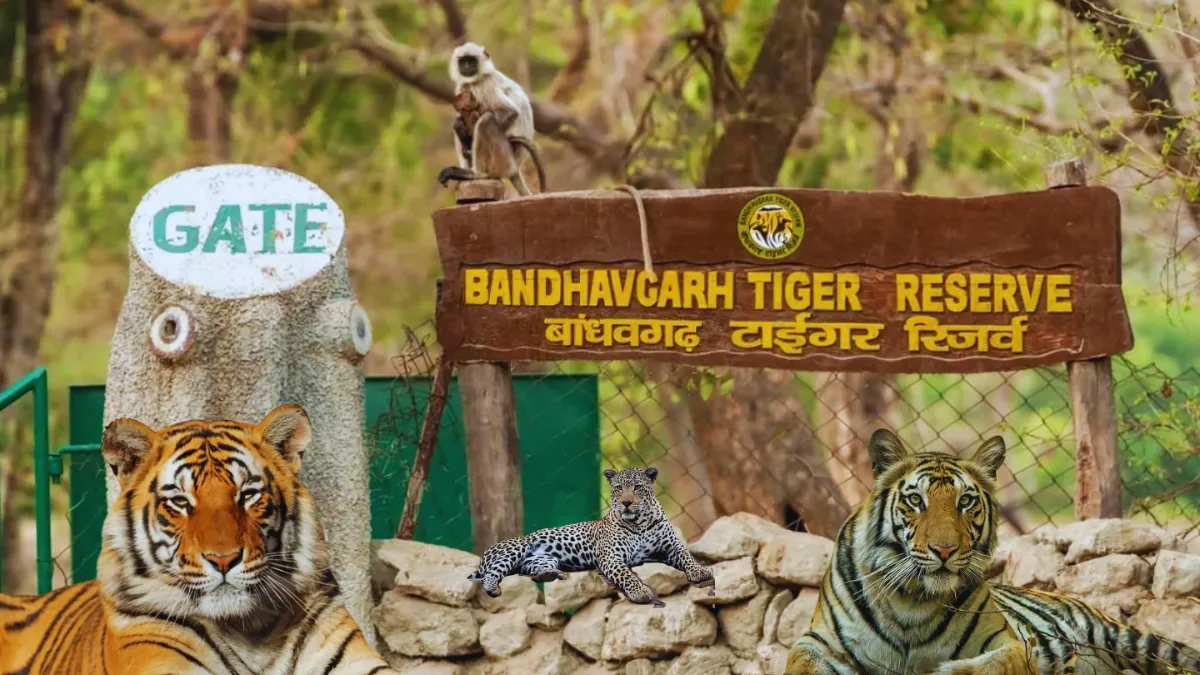
Bandhavgarh Tiger Reserve is one of India’s most celebrated wildlife destinations, renowned worldwide for having one of the highest densities of Royal Bengal Tigers. Located in the Umaria district of Madhya Pradesh, this iconic reserve draws wildlife enthusiasts, photographers, conservationists, and travellers from across the globe. With its dense forests, ancient hills, rich biodiversity, and deep-rooted history, Bandhavgarh offers an immersive jungle experience unlike any other in India.
For anyone planning a visit, understanding How to Reach Bandhavgarh Tiger Reserve, along with details about safari timings, park zones, wildlife sightings, and travel tips, is essential. This comprehensive guide covers everything you need to know before setting out on your journey.
Introduction to Bandhavgarh Tiger Reserve
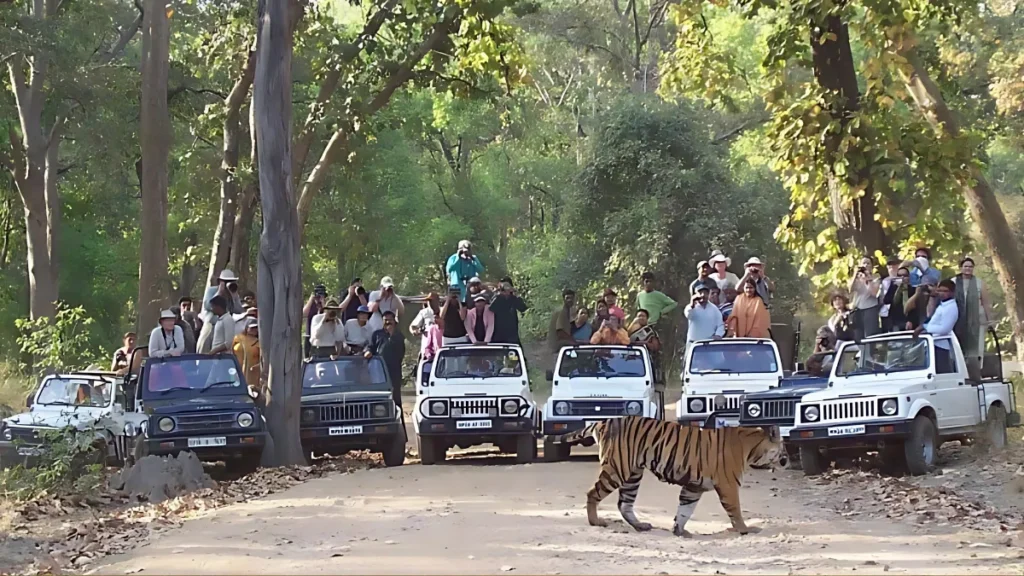
Bandhavgarh Tiger Reserve is widely regarded as one of the best places in India to spot tigers in the wild. Spread across a vast landscape of forests, grasslands, and rocky hills, the reserve combines dramatic scenery with extraordinary wildlife encounters. Over the years, it has become a flagship destination for responsible wildlife tourism and conservation.
Beyond tigers, Bandhavgarh is home to leopards, sloth bears, wild dogs, deer species, and over 250 species of birds. The reserve also holds immense historical and mythological significance, making it a unique blend of nature and heritage.
Historical Significance and Cultural Importance
The name “Bandhavgarh” originates from two Sanskrit words — Bandhav (brother) and Garh (fort). According to ancient legends, Lord Rama gifted this fort to his younger brother Lakshman during the Ramayana era. The ruins of the Bandhavgarh Fort, located atop a hill inside the reserve, still stand as silent witnesses to centuries of history.
Historically, the region served as a private hunting ground for the Maharajas of Rewa. In 1968, recognising its ecological importance, the Government of India declared Bandhavgarh a national park. Later, it was included under Project Tiger, significantly strengthening conservation efforts and helping revive tiger populations.
Geographical Location and Area Details
- State: Madhya Pradesh, India
- District: Umaria
- Total Area: Approximately 1,536 square kilometres (core and buffer zones combined)
- Terrain: Mixed deciduous forest, grasslands, rocky hills, and seasonal streams
Bandhavgarh’s varied terrain creates ideal habitats for both predators and prey, contributing to its rich biodiversity.
How to Reach Bandhavgarh Tiger Reserve
Understanding How to Reach Bandhavgarh Tiger Reserve is crucial for planning a smooth journey. The reserve is well-connected by road, rail, and air, making it accessible from major Indian cities.
By Air
The nearest major airport is Jabalpur Airport, located around 170 kilometres from Bandhavgarh. Jabalpur has regular flights from cities such as Delhi, Mumbai, and Bhopal. From the airport, visitors can hire taxis or book private transfers to reach the reserve, which takes approximately 4 to 5 hours by road.
Some travellers also use Khajuraho Airport, though it is farther and has limited flight connectivity.
By Train
The closest railway station is Umaria Railway Station, just 35 kilometres from the reserve. Umaria is well-connected to major rail routes, including trains from Delhi, Jabalpur, Katni, and Bilaspur. From Umaria, taxis and local transport are readily available for the short drive to Bandhavgarh.
By Road
Bandhavgarh is well-linked by road to nearby towns and cities:
- Jabalpur to Bandhavgarh: approx. 170 km
- Katni to Bandhavgarh: approx. 100 km
- Umaria to Bandhavgarh: approx. 35 km
Well-maintained highways and scenic routes make road travel comfortable, especially for those who enjoy long drives through central India’s countryside.
Best Time to Visit Bandhavgarh Tiger Reserve
Choosing the right season plays a major role in wildlife sightings and overall experience.
Winter Season (October to March)
This is considered the best time to visit Bandhavgarh. The weather remains pleasant, with cool mornings and comfortable afternoons. Visibility is excellent, making safaris enjoyable and productive.
Summer Season (April to June)
Summers are hot, but this season offers higher chances of spotting tigers and other animals near water sources. Temperatures can rise significantly, so early morning safaris are preferred.
Monsoon Season (July to September)
The park remains closed during the monsoon months for conservation and safety reasons. Safari operations are suspended during this period.
Safari Timings and Booking Information
Bandhavgarh offers Gypsy (open jeep) and Canter safaris, operated under strict forest department regulations. Safari timings vary according to the season.
Safari Timings
Winter Season
- Morning Safari: 6:30 AM – 11:00 AM
- Afternoon Safari: 2:30 PM – 5:30 PM
Summer Season
- Morning Safari: 5:30 AM – 10:00 AM
- Afternoon Safari: 3:30 PM – 6:30 PM
Advance booking is highly recommended, especially during peak tourist months, as permits are limited.
Safari Zones in Bandhavgarh Tiger Reserve
The reserve is divided into several zones, each offering unique landscapes and wildlife experiences. The three main core zones are:
Tala Zone
The most popular and frequently visited zone, Tala is known for its high tiger sighting probability. It also features the historic Bandhavgarh Fort and diverse vegetation.
Magdhi Zone
Magdhi offers quieter surroundings and is equally rewarding for wildlife sightings. The terrain here includes open meadows and water bodies that attract animals.
Khitauli Zone
Ideal for birdwatchers, Khitauli is rich in avian diversity and offers a peaceful safari experience with fewer crowds.
Read also: Best Telephoto Lens for Wildlife Photography: Capture Nature Like a Pro
Wildlife Found in Bandhavgarh
Bandhavgarh boasts remarkable biodiversity, supporting a wide range of flora and fauna.
Major Mammals
- Royal Bengal Tiger
- Leopard
- Sloth Bear
- Dhole (Indian Wild Dog)
- Sambar Deer
- Nilgai
- Barking Deer
Birdlife
- Indian Peafowl
- Eagles
- Owls
- Jungle Fowl
- Vultures and Woodpeckers
Reptiles, including snakes and lizards, are also commonly found across the reserve.
Read also: How Can I Become a Wildlife Photographer? A Complete Beginner’s Guide
Travel Tips for Visitors
- Carry essential items such as a camera, binoculars, hat, sunscreen, and water bottle.
- Wear neutral-coloured clothing to blend with the environment.
- Maintain silence during safaris and follow forest rules strictly.
- Do not attempt to feed or disturb wildlife.
- Listen carefully to your naturalist or guide; their insights enhance the experience significantly.
Why Bandhavgarh Remains a Top Wildlife Destination
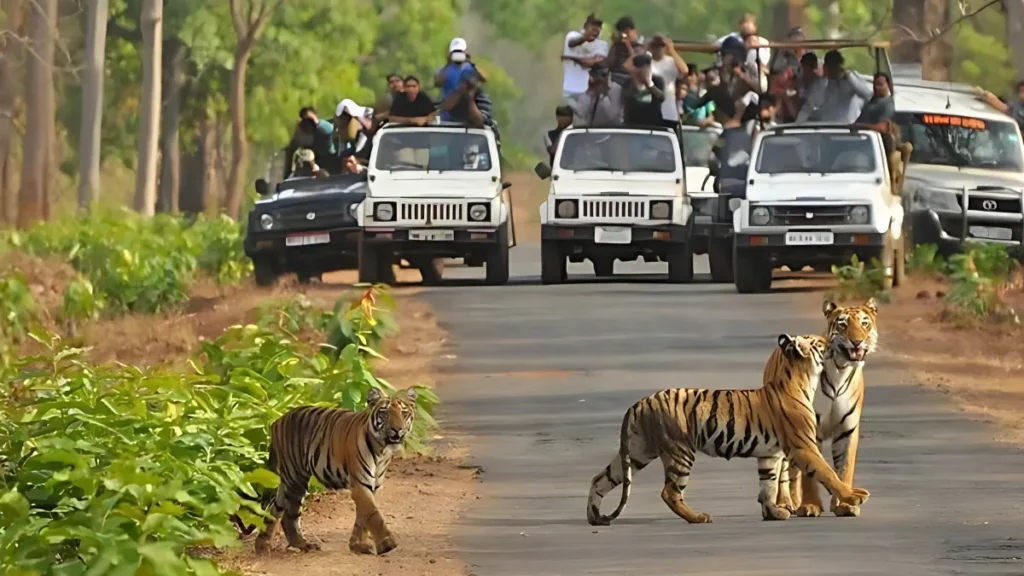
Bandhavgarh Tiger Reserve stands out not just for its tiger population, but also for its successful conservation model, rich history, and immersive jungle atmosphere. Each safari promises a unique story, whether it is a majestic tiger crossing your path or a rare bird perched quietly in the canopy.
Read also: Wildlife Photography Camera Price in 2025: Best Options for Every Budget
Conclusion
For travellers seeking a true wilderness experience, Bandhavgarh Tiger Reserve offers an unforgettable journey into the heart of India’s natural heritage. From understanding How to Reach Bandhavgarh Tiger Reserve to exploring its safari zones, wildlife, and seasonal beauty, every aspect of this destination reflects nature at its finest.
A visit to Bandhavgarh is not just a holiday—it is an encounter with history, biodiversity, and the raw beauty of the wild. Whether you are a first-time visitor or a seasoned wildlife enthusiast, Bandhavgarh leaves a lasting impression that stays with you long after the jungle trails fade from view.