Chhattisgarh, India:
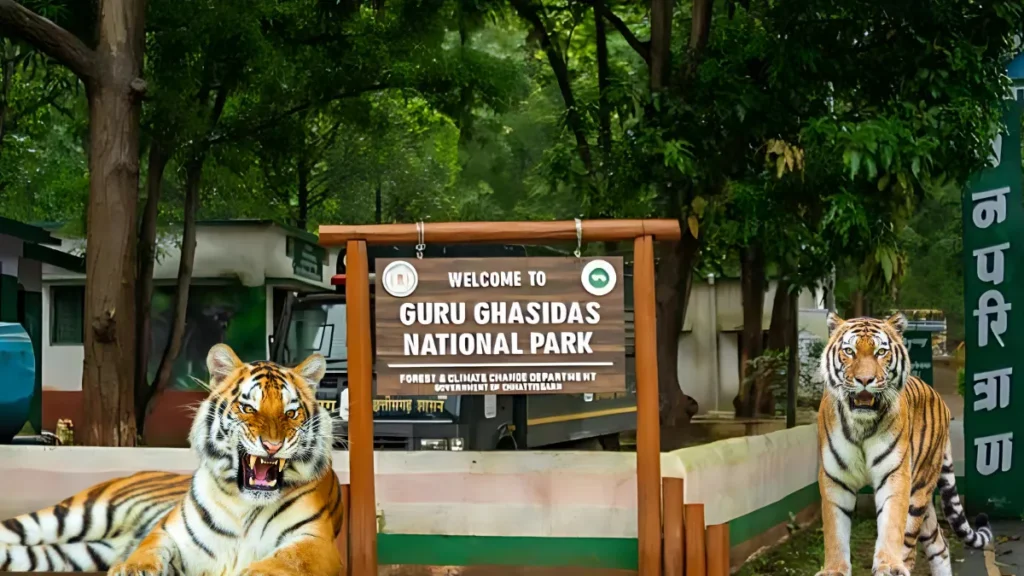
The declaration of the Guru Ghasidas Tamor Pingla Tiger Reserve has marked a major milestone in India’s ongoing efforts to protect its fast-declining tiger population. Officially notified in October 2021 on the recommendation of the National Tiger Conservation Authority (NTCA), this vast forest landscape has become the fourth tiger reserve of Chhattisgarh, placing the state firmly on the national and global wildlife conservation map.
More than just another protected area, the Guru Ghasidas Tamor Pingla Tiger Reserve represents a strategic link in Central India’s tiger conservation network. With its rich biodiversity, extensive forest cover, and crucial geographical location, the reserve is emerging as a vital stronghold for wildlife conservation while also offering immense potential for eco-tourism and sustainable development.
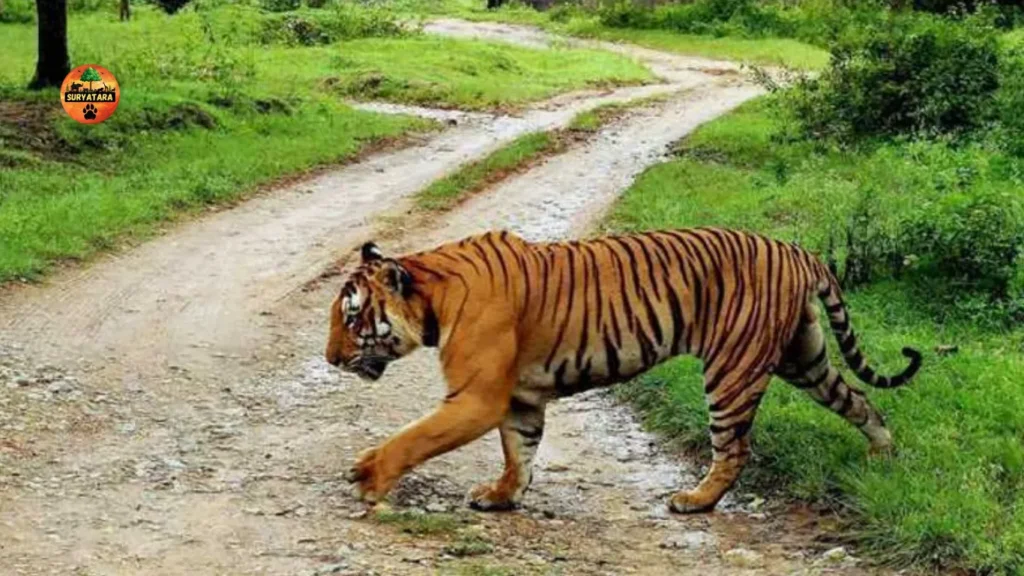
A Landmark Decision for Tiger Conservation
India is home to over 70 percent of the world’s wild tiger population, and expanding protected habitats remains a key priority. The recognition of the Guru Ghasidas Tamor Pingla Tiger Reserve came after years of ecological assessment, wildlife monitoring, and conservation planning.
Experts found that the region already supported a natural presence of tigers and provided suitable prey density, forest connectivity, and minimal fragmentation-essential factors for a successful tiger reserve. The NTCA’s approval in 2021 was therefore seen as both timely and necessary to secure this ecologically sensitive zone for the long term.
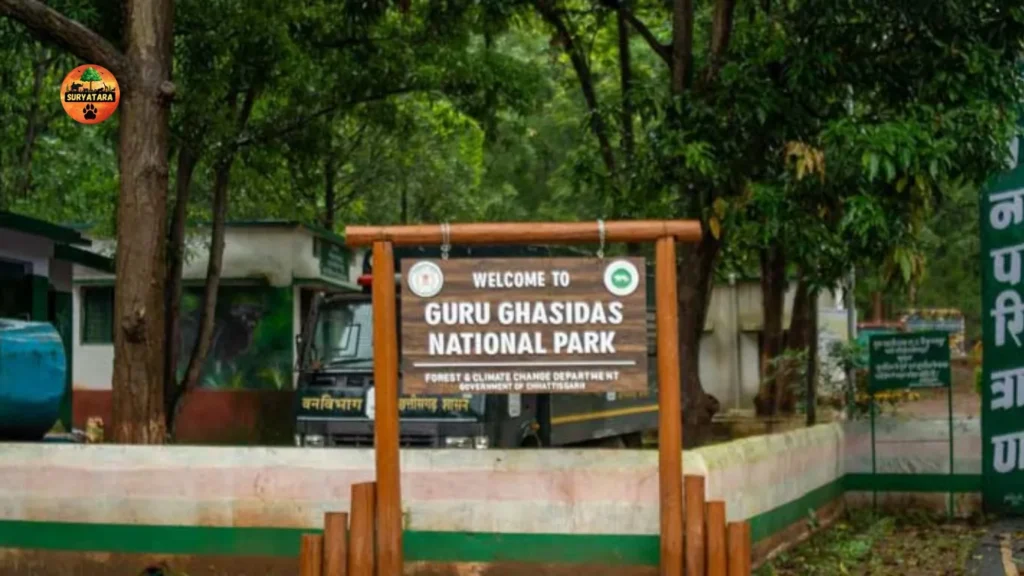
Location and Total Area
The Guru Ghasidas Tamor Pingla Tiger Reserve is spread across the north-western districts of Korea, Surajpur, and Balrampur in Chhattisgarh. This region lies at the intersection of the Chota Nagpur Plateau and the Baghelkhand region, an area known for its undulating terrain, dense forests, and rich natural resources.
Area Breakdown:
- Total Area: 2,829.38 square kilometres
- Core (Critical Tiger Habitat): 2,049.20 square kilometres
- Buffer Zone: 780.15 square kilometres
The sheer size of the reserve makes it one of the largest protected forest landscapes in Central India, offering tigers and other wildlife the space they need to thrive.
Exceptional Wildlife Diversity
One of the strongest reasons behind the reserve’s creation is its remarkable biodiversity. The Guru Ghasidas Tamor Pingla Tiger Reserve supports a wide range of fauna, making it a crucial conservation hotspot.
Mammals Found in the Reserve:
- Bengal tiger
- Leopard
- Sloth bear
- Wild dog (Dhole)
- Asian elephant
- Gaur (Indian bison)
- Sambar deer
- Chital (spotted deer)
- Wild boar
The presence of large herbivores ensures a stable prey base for apex predators like tigers and leopards, strengthening the overall ecosystem.
Birdlife:
The reserve is also a paradise for bird enthusiasts, with over 230 recorded bird species. These include hornbills, peafowl, raptors such as hawks and eagles, owls, and numerous migratory and resident birds that thrive in its forests and wetlands.
Other Fauna:
In addition to mammals and birds, the region supports diverse reptiles, amphibians, insects, and lesser-known species that play vital roles in maintaining ecological balance.
Forest Cover and Ecological Richness
The Guru Ghasidas Tamor Pingla Tiger Reserve is dominated by lush tropical forests that support high biodiversity. The vegetation primarily includes sal, saja, bija, kusum, dhawda, and mixed deciduous species.
Key Ecological Features:
- Dense sal forests
- Rolling hills and forested plateaus
- Grasslands supporting herbivores
- Natural streams, rivers, and seasonal waterfalls
This varied landscape creates multiple micro-habitats, making the area suitable not just for tigers but for countless other species that depend on forest ecosystems for survival.
Strategic Geographical Importance
From a conservation perspective, the geographical position of the Guru Ghasidas Tamor Pingla Tiger Reserve is one of its most valuable assets. The reserve shares its boundary with Sanjay Dubri Tiger Reserve in Madhya Pradesh and lies between Palamu Tiger Reserve in Jharkhand and Bandhavgarh Tiger Reserve in Madhya Pradesh.
This location allows it to function as a critical wildlife corridor, enabling the movement of tigers and other animals between protected areas. Such corridors are essential to:
- Prevent inbreeding
- Maintain genetic diversity
- Reduce human-wildlife conflict
- Support long-term species survival
Wildlife experts consider this corridor role a game-changer for Central India’s tiger population.
Eco-Tourism Potential and Visitor Experience
Although the Guru Ghasidas Tamor Pingla Tiger Reserve is still in the early stages of tourism development, it holds immense promise for responsible and sustainable eco-tourism.
Activities That Attract Visitors:
- Nature walks and forest trails
- Bird watching and wildlife photography
- Exploring untouched forest landscapes
- Learning about tribal culture and traditions
Unlike heavily commercialised parks, this reserve offers a quieter, more immersive experience for nature lovers seeking solitude and authenticity. Visitors are required to obtain prior permission from forest authorities, ensuring minimal disturbance to wildlife.
Indigenous Communities and Conservation Balance
Several indigenous and tribal communities have lived in and around the forested areas of this region for generations. Their lives are closely connected to the forest, relying on it for livelihood, culture, and identity.
Recognising this, conservation efforts in the Guru Ghasidas Tamor Pingla Tiger Reserve focus on inclusive development, balancing wildlife protection with human welfare.
Government Initiatives Include:
- Alternative livelihood opportunities
- Skill development programmes
- Voluntary relocation and rehabilitation schemes
- Employment through eco-tourism and forest protection work
By involving local communities in conservation, authorities aim to reduce dependency on forest resources while fostering long-term stewardship of wildlife habitats.
Read also: New Permanent Elephant Camp at Pilibhit Tiger Reserve Becomes a Major Attraction for Tourists
Key Facts at a Glance
| Feature | Details |
|---|---|
| State | Chhattisgarh |
| Year of Notification | 2021 |
| Total Area | 2,829.38 sq km |
| Core Area | 2,049.20 sq km |
| Buffer Zone | 780.15 sq km |
| Flagship Species | Bengal Tiger |
| Nearby Tiger Reserves | Sanjay Dubri, Palamu, Bandhavgarh |
Read also: New River Gorge National Park: A Must-Visit Destination for Stunning Fall Foliage
A Historic Step for Chhattisgarh and India
The establishment of the Guru Ghasidas Tamor Pingla Tiger Reserve is more than an administrative decision—it is a strong statement of India’s commitment to wildlife conservation and ecological sustainability. For Chhattisgarh, the reserve represents a new identity as a key contributor to tiger protection efforts.
For India, it strengthens the Central Indian tiger landscape, enhances habitat connectivity, and safeguards biodiversity for future generations.
As conservation measures continue to evolve and eco-tourism develops responsibly, the Guru Ghasidas Tamor Pingla Tiger Reserve is poised to become a symbol of coexistence between humans and wildlife. For nature lovers, conservationists, and researchers alike, this pristine wilderness offers hope, inspiration, and a rare glimpse into one of India’s most promising conservation success stories.