private zoo in India: A high-profile inquiry ordered by India’s Supreme Court has concluded that there was no evidence of wrongdoing in the operations or animal acquisition practices at Vantara, the sprawling private zoo in India owned by the Ambani family. The investigative panel, comprising retired judges appointed last month, examined allegations that Vantara had illegally obtained animals and mishandled their care. In its report released on Monday, the panel said it found “no foul play” and confirmed that the zoo’s procedures complied with all relevant laws.
The findings come after weeks of scrutiny directed at Vantara, which is operated under the leadership of Anant Ambani, the youngest son of Asia’s richest man, Mukesh Ambani. The investigation was ordered despite the Supreme Court earlier expressing doubts about the credibility of the accusations, noting that the claims were largely unsupported. However, the judges opted for a deeper probe following petitions that argued state authorities had failed to conduct a proper investigation.
Panel Dismisses Allegations of Illegal Animal Transfers
According to the special investigation team (SIT), all animals housed at Vantara were acquired through legal means, with appropriate documentation and clearances. The SIT report stated that there was no indication that the zoo had bypassed wildlife regulations or improperly sourced endangered species.
The panel also rejected claims that the zoo’s animals were subjected to mistreatment or poor living conditions. After visiting the facility and reviewing animal health records, the retired judges concluded that Vantara adhered to established welfare standards.
In response, the management of Vantara released a statement saying the report confirmed what they had maintained from the beginning: “The doubts and allegations raised regarding our work were without any basis.”
A Massive Wildlife Facility in Western India
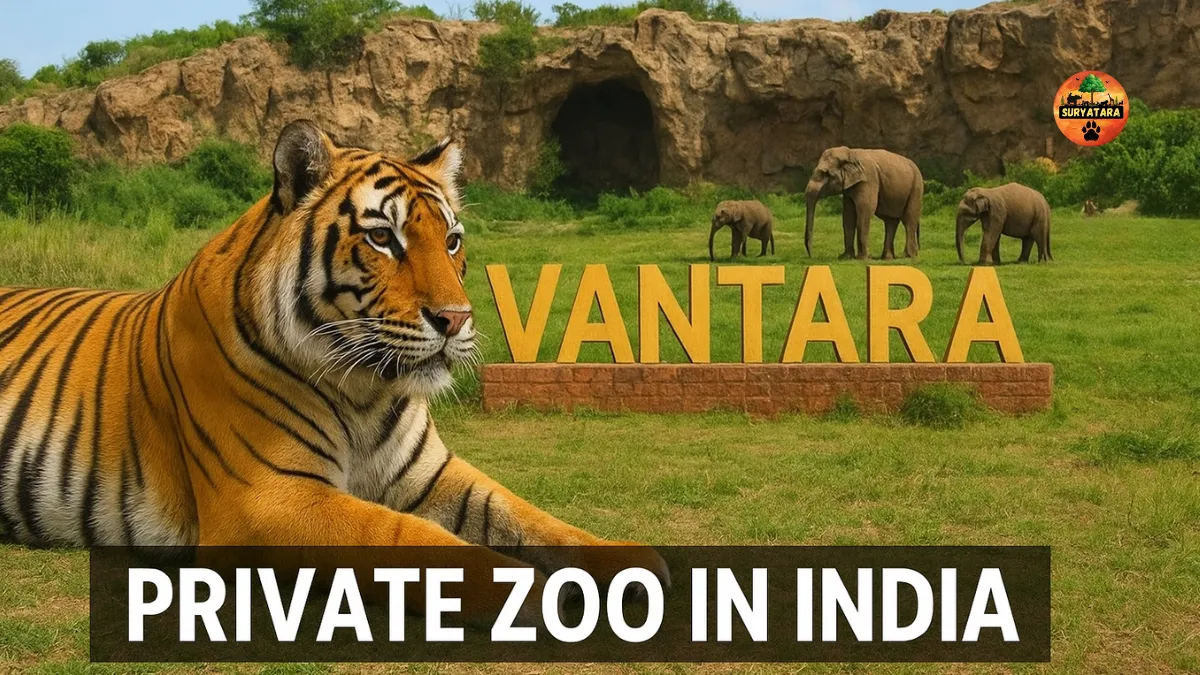
Vantara is one of the largest and most ambitious wildlife facilities ever developed by a private entity in the country. The private zoo in India spans an extraordinary 3,500 acres in Jamnagar, a district in the western state of Gujarat. Its proximity to Reliance Industries’ massive oil refinery — the largest refinery complex in the world — has often contributed to public interest and speculation about the project.
Home to approximately 2,000 species, the zoo hosts elephants, tigers, leopards, antelopes, exotic birds, and a variety of rescued wildlife. Some of the animals housed at Vantara were reportedly transferred from distressed situations, including circuses, temples, and private ownership.
The zoo is not open to the general public, which distinguishes it from typical wildlife parks and has further fueled curiosity about its purpose, operations, and long-term goals. According to Vantara officials, the facility primarily focuses on rescue, rehabilitation, conservation, and specialized veterinary care rather than tourism.
Political Spotlight and Global Attention
Vantara gained significant global attention earlier this year when it hosted high-profile pre-wedding festivities for Anant Ambani. The events attracted celebrities, global business leaders, and well-known personalities from around the world. The zoo itself had been formally inaugurated by Indian Prime Minister Narendra Modi in March, underscoring its national prominence.
Because the Ambani family remains one of the most influential business families in Asia, the development of such a large private zoo in India quickly became a matter of public interest and debate. Conservation groups and wildlife activists raised pressing questions regarding the ecological suitability of Jamnagar’s hot, arid climate — especially for species not native to such environments.
Critics argued that the region’s extreme heat could pose challenges for certain animals brought from cooler or more humid habitats. Some groups also expressed concern about whether the zoo’s vast size and private nature limited transparency in animal care practices.
However, the SIT reported no evidence supporting claims that animals were being kept in inappropriate conditions or that the climate posed unaddressed risks. The inquiry found that the facility had taken measures to create controlled micro-habitats and specialized enclosures for species requiring cooler or more humid environments.
Elephant Transfer Controversy Adds to Public Debate
The zoo was thrust deeper into controversy earlier this year due to an emotional public dispute surrounding the relocation of an ailing temple elephant from Kolhapur, a city in the neighbouring state of Maharashtra. The elephant, who had been living in poor health conditions, was moved to Vantara in July following a high court directive.
The transfer sparked loud protests from activists and local groups in Maharashtra, who accused authorities of succumbing to corporate influence and claimed that the elephant would not receive better care at the Ambani-run facility.
Earlier this week, the Supreme Court dismissed an application that challenged the elephant’s relocation. The court noted that the independent inquiry had already examined the issue and had cleared all parties — including Vantara — of wrongdoing. The judges ruled that there was no basis for reversing the earlier order that allowed the elephant to be moved to the zoo for medical treatment and rehabilitation.
Supreme Court Emphasizes Closure After Investigation
By accepting the SIT’s findings, the Supreme Court signaled that the matter should now be considered closed from a legal standpoint. The court noted that it had reviewed the report and found no grounds to reopen the issue, reiterating that the earlier allegations lacked substantive evidence.
The inquiry marks a rare occasion where India’s top court intervened in the operations of a privately run animal shelter of this scale. Legal experts say the case reflects the growing public scrutiny of wealthy private entities that operate facilities involving wildlife, conservation, and environmental impact.
For Vantara, the report provides long-awaited validation after facing weeks of intense criticism. The zoo’s management has stated that they remain committed to wildlife care and conservation and hope the findings will help restore public confidence.
Also read: Jammu’s Jambu Zoo Ticket Price, Timings, Attractions, Facilities, Map and Complete Visitor Guide
What Comes Next for Vantara?
While the legal challenges appear settled, the broader debate surrounding privately managed wildlife facilities in India is far from over. The case has sparked new questions about how private institutions should participate in conservation and what level of transparency is required when dealing with protected species.
Environmental experts argue that this investigation may set a precedent for monitoring privately funded conservation projects. With Vantara being one of the largest private zoos in India, the outcome of this inquiry could influence how future wildlife initiatives are regulated.
For now, Vantara continues its operations, housing thousands of species across its vast landscape in Jamnagar. With the Supreme Court-appointed team clearing the zoo of all allegations, the Ambani family is expected to proceed with its long-term plans for the facility, focusing on expansion, conservation projects, and medical care for rescued animals.
The investigation’s conclusion may not silence all critics, but it brings a definitive legal closure to the accusations. As India continues to evolve its conservation strategies, Vantara’s model — blending private funding with large-scale wildlife rescue — will likely remain at the center of national and international conversation.