National Referral Centre for Wildlife: India is preparing to take a major leap forward in wildlife conservation and animal health with the establishment of the National Referral Centre for Wildlife, a state-of-the-art national institution dedicated to wildlife disease research, monitoring, and emergency care. Being developed by the Government of India in Junagadh, Gujarat, this pioneering centre is set to become the country’s first comprehensive, national-level hub focused exclusively on wildlife health.
Scheduled to be operational in 2025, the National Referral Centre for Wildlife is being established under the ambitious Project Lion, a flagship conservation initiative aimed at safeguarding Asiatic lions and strengthening India’s overall wildlife protection framework. Conservation experts believe this centre will redefine how India detects, manages, and prevents diseases in wild animals, while also addressing the growing global concern of zoonotic diseases-those that can spread from animals to humans.
A National First in Wildlife Health Infrastructure
The National Referral Centre for Wildlife is envisioned as a centralised institution where scientific research, advanced diagnostics, field services, and training come together under one roof. Until now, wildlife disease management in India has largely been handled at regional or state levels, often with limited infrastructure. This new centre marks a decisive shift toward a coordinated, nationwide approach.
Once functional, the institution will serve as the primary referral centre for complex wildlife health cases from across India. It will support forest departments, wildlife veterinarians, conservation organisations, and policymakers with accurate data, rapid diagnostics, and expert guidance.
Strategic Location in Junagadh, Gujarat
The centre is being developed in the New Pipaliya area of Junagadh district, a region that holds immense ecological significance. Junagadh lies close to the Gir forest landscape, the only natural habitat of the Asiatic lion, making it an ideal location for a wildlife health hub of national importance.
Spread across approximately 20.24 hectares, the campus will house cutting-edge research laboratories, training and conference facilities, data and information analysis units, and a fully equipped wildlife hospital. The expansive layout is designed to support both routine operations and emergency responses during disease outbreaks or wildlife health crises.
Core Objectives of the National Referral Centre for Wildlife
The establishment of the National Referral Centre for Wildlife is driven by several clearly defined objectives that align with India’s long-term conservation and public health goals.
One of the primary aims is early detection and accurate diagnosis of diseases in wildlife across the country. Timely identification of infections is critical to preventing large-scale mortality events and protecting endangered species.
Another key objective is the creation of a national wildlife health surveillance network. Through systematic data collection and analysis, the centre will monitor disease trends, identify emerging threats, and issue early warnings to relevant authorities.
The centre will also play a vital role in preventing zoonotic diseases, which have become a global concern following outbreaks such as COVID-19. By closely monitoring wildlife health, the institution aims to reduce the risk of diseases spilling over into human populations.
In addition, the National Referral Centre for Wildlife will focus on capacity building and training. Wildlife veterinarians, forest officers, and frontline staff will receive specialised training in modern diagnostic techniques, disease management, and emergency wildlife care.
Finally, the centre will provide rapid-response veterinary and field services, ensuring immediate medical intervention during wildlife emergencies, rescues, or disease outbreaks.
Advanced Services and Facilities
The National Referral Centre for Wildlife will be equipped with a wide range of advanced services designed to meet national and international standards.
At the heart of the facility will be high-end wildlife disease diagnostic laboratories, capable of identifying bacterial, viral, fungal, and parasitic infections. These labs will support both routine testing and complex investigations.
Dedicated research laboratories will focus on studying disease patterns, transmission pathways, and long-term ecological impacts. The findings generated here are expected to guide national conservation strategies and policy decisions.
A specialised training and capacity-building centre will host workshops, certification programs, and hands-on training sessions for veterinarians and forest officials from across India.
The centre will also operate an integrated information management system, responsible for collecting, storing, and analysing wildlife health data. This digital backbone will enable real-time reporting, trend analysis, and informed decision-making.
To extend its reach beyond the campus, the institution will deploy mobile veterinary units, allowing experts to provide immediate medical assistance in remote forest areas and protected zones.
A Pillar of Project Lion
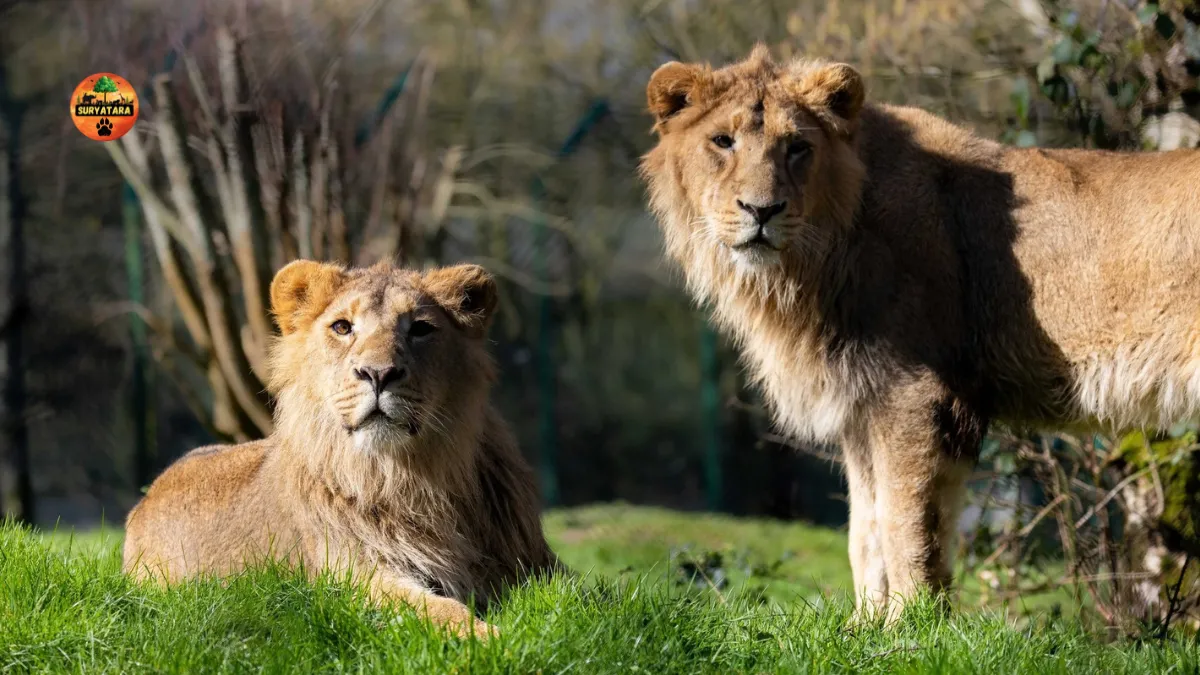
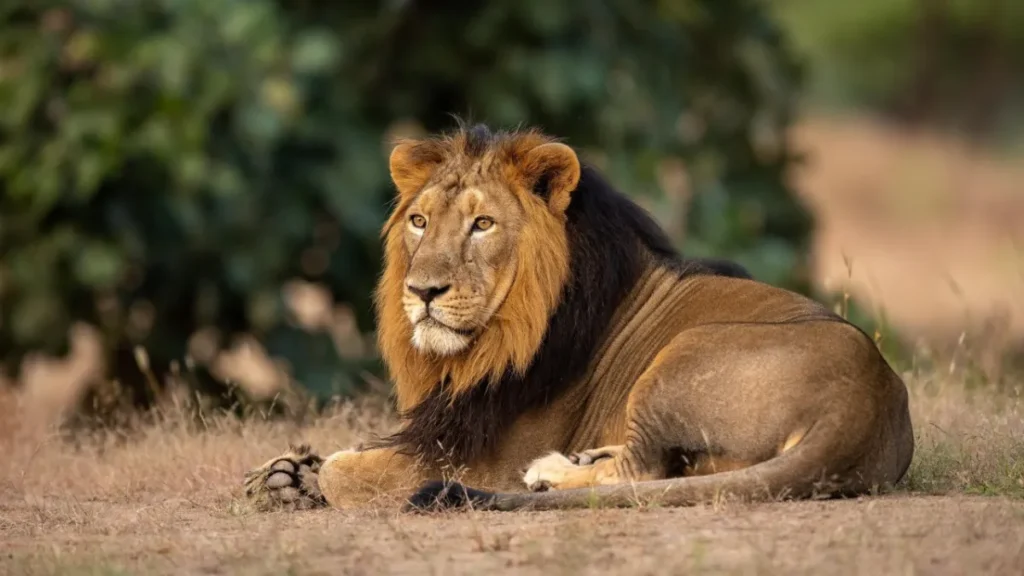
The National Referral Centre for Wildlife holds special significance under Project Lion, one of India’s most important wildlife conservation initiatives. Project Lion focuses on the long-term survival, health, and genetic diversity of Asiatic lions, whose population is largely concentrated in Gujarat.
The Junagadh-based centre will closely monitor the health of lions in Gir and surrounding landscapes, helping to prevent disease outbreaks that could threaten the species. Regular health assessments, disease surveillance, and rapid response mechanisms will significantly reduce risks to lion populations.
Beyond lions, the centre’s mandate extends to all wildlife species, ensuring that India’s broader biodiversity receives the same level of scientific attention and care.
Strengthening India’s Wildlife Conservation Framework
Experts believe that the National Referral Centre for Wildlife will go far beyond disease treatment. It is expected to become a strategic nerve centre for wildlife conservation, integrating science, technology, and field operations.
By generating reliable data and research outputs, the centre will strengthen India’s position in global wildlife health and conservation networks. It will also enhance collaboration with international institutions working on wildlife disease prevention and biodiversity protection.
The centre’s work will contribute directly to sustainable conservation practices, helping India balance ecological preservation with human development. Its focus on disease prevention will also support public health objectives by reducing the risk of zoonotic spillovers.
Read also: Choosing the Right Wildlife Photography Camera: A Complete Field Guide for Serious Nature Shooters
Looking Ahead: A Transformative Initiative
The establishment of the National Referral Centre for Wildlife in Junagadh marks a transformative moment in India’s conservation journey. For the first time, wildlife health is being addressed through a comprehensive, national-level institution backed by advanced science and policy support.
As the centre becomes operational, it is expected to set new benchmarks in wildlife healthcare, research excellence, and emergency response. Conservationists, researchers, students, and institutions interested in wildlife protection will find in this centre a powerful platform to contribute meaningfully to the preservation of nature.
Conclusion
The National Referral Centre for Wildlife, Junagadh, represents a visionary step by the Government of India toward safeguarding the country’s rich and fragile biodiversity. By combining disease surveillance, research, training, and emergency care, the centre will play a crucial role in protecting wildlife while also strengthening public health preparedness.
As India continues to emerge as a global leader in conservation, this landmark institution stands as a testament to the country’s commitment to science-driven, sustainable wildlife protection. For future generations, the National Referral Centre for Wildlife may well become one of the most important pillars supporting the coexistence of humans and nature.