The National Maritime Heritage Complex stands as one of India’s most ambitious cultural and historical enterprises, envisioned to showcase the nation’s remarkable maritime traditions, coastal heritage, and ancient navigation achievements. The National Maritime Heritage Complex is designed not only as a museum but as a vast knowledge ecosystem that brings together archaeology, marine history, shipbuilding, and traditional seafaring practices. As global interest in maritime heritage continues to grow, this initiative represents India’s commitment to preserving its seafaring past while creating an educational and cultural landmark for future generations.
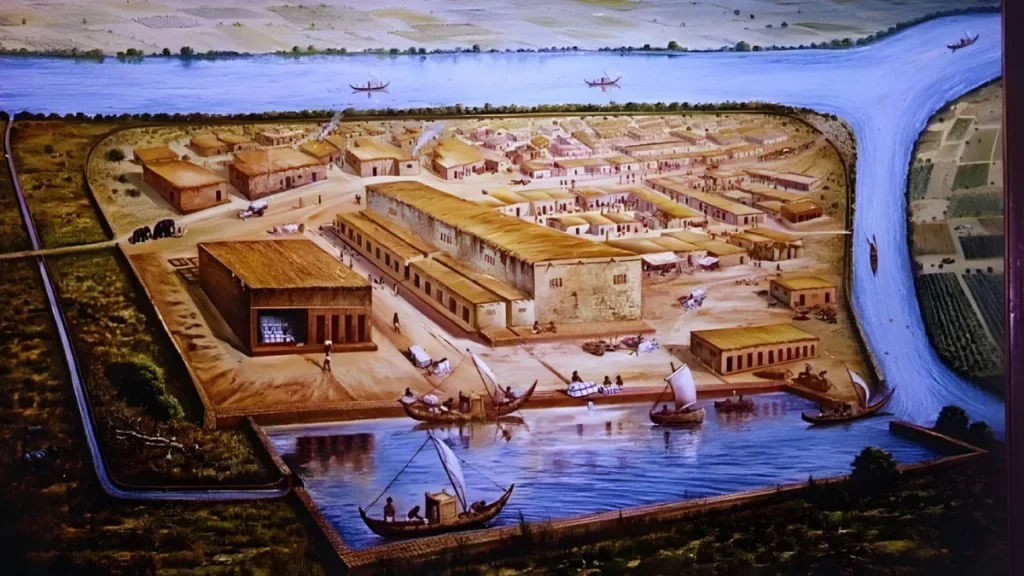
India’s maritime links go back thousands of years, evidenced by excavations from ancient port cities such as Lothal, Dholavira, Dwarka, and Muziris. These were thriving centres of international trade, connecting the subcontinent to regions across the Arabian Peninsula, Africa, and Southeast Asia. The National Maritime Heritage Complex aims to highlight these stories through immersive exhibits, large-scale installations, curated galleries, and interactive experiences. Located in Lothal, one of the oldest known dockyards of the Harappan civilisation, this complex is strategically placed at a location that carries immense archaeological importance. From historic routes to modern maritime advancements, the narrative captured in the National Maritime Heritage Complex spans millennia.
As a cultural and educational asset, the complex is set to transform India’s heritage tourism, provide a unified space for maritime researchers, and create new dimensions of learning for students and travellers alike. With multiple thematic zones, heritage parks, maritime museums, and state-of-the-art digital displays, the National Maritime Heritage Complex is poised to become a world-class landmark.
A Vision Rooted in India’s Ancient Maritime Identity
India’s coastline stretches over 7,500 kilometres, with centuries-old ports, shipyards, and trade links that shaped its socio-economic evolution. The National Maritime Heritage Complex was conceptualized to recognise this deep maritime identity. It aims to tell the story of India’s oceanic connections across the Indian Ocean rim and beyond, celebrating both ancient achievements and modern maritime growth.
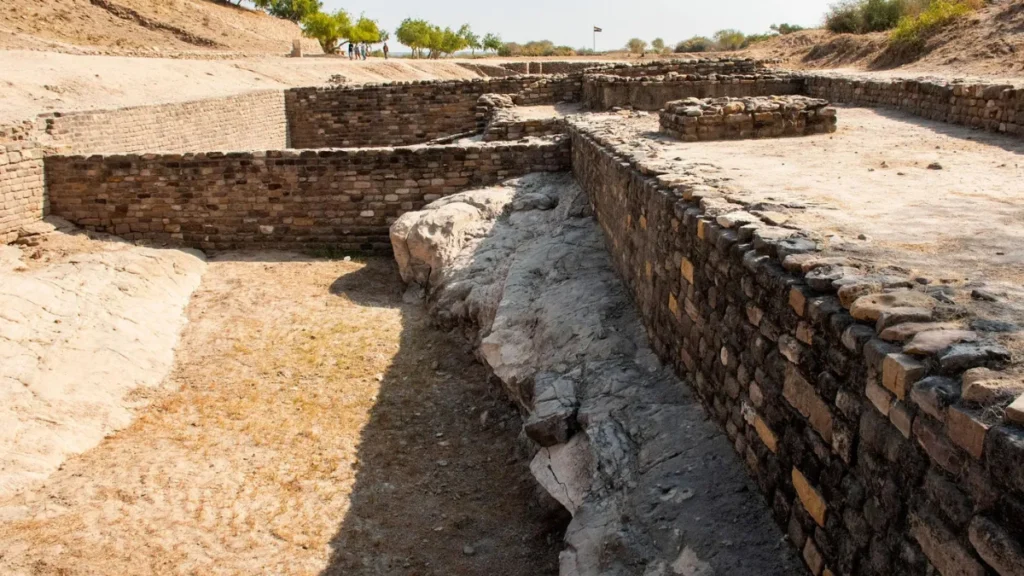
The choice of Lothal as the site for the National Maritime Heritage Complex is significant. Lothal, dating back to nearly 2400 BCE, hosts one of the world’s earliest known dockyards. Its highly organized town planning, bead-making workshops, and drainage systems reveal the brilliance of the Harappan civilisation. By situating the complex here, the project aligns archaeological authenticity with cultural storytelling.
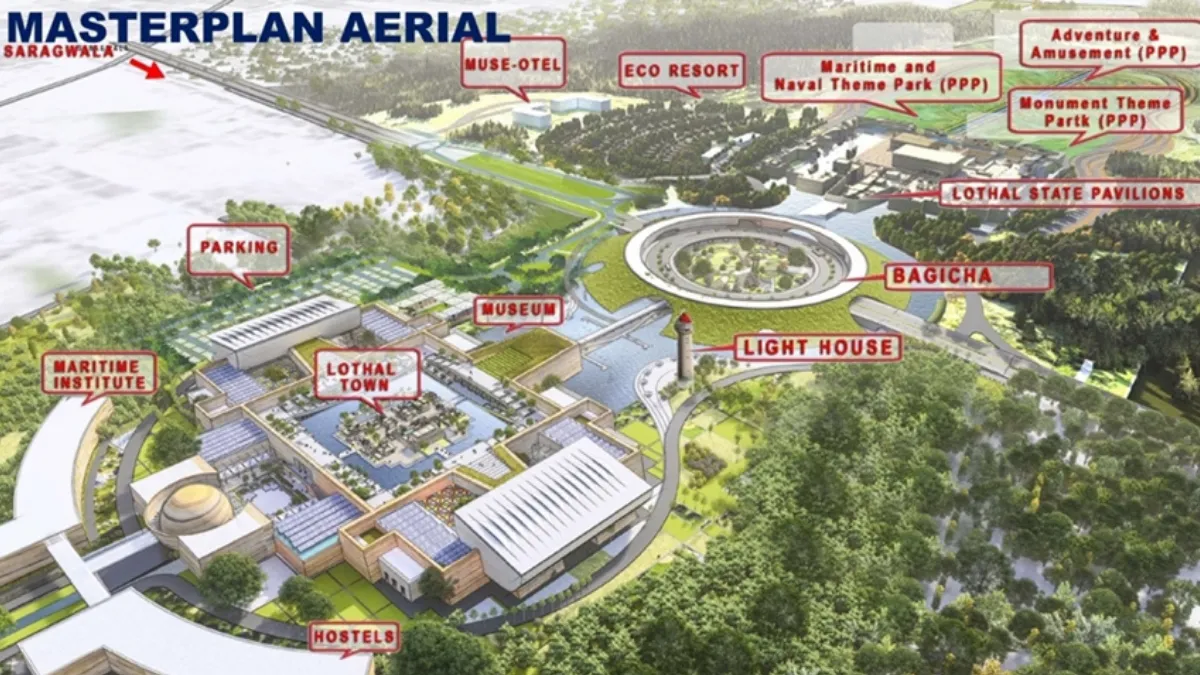
The complex plans to include a maritime museum, naval displays, coastal cultural zones, a lighthouse viewing deck, ship replicas, and a large heritage village. Each section contributes to a larger narrative about the seas’ role in shaping India’s identity. The National Maritime Heritage Complex is envisioned as a space that bridges ancient discoveries with future maritime aspirations.
Historical Foundations Supporting the National Maritime Heritage Complex
India’s coastal regions served as gateways for trade, migration, cultural exchange, and exploration. The National Maritime Heritage Complex highlights these deep historical connections, underscoring how the subcontinent was central to spice trading routes, silk exchanges, and ancient navigation networks.
Harappan Maritime Links
Archaeological evidence from Lothal shows well-designed docks, tidal systems, warehouses, and berths for ships. These findings illustrate that the Harappans understood tidal rhythms, hull designs, and water management. The complex aims to bring this era alive through reconstructions and interactive exhibits.
Maritime Influence of Ancient Kingdoms
From the Mauryan period to the Chola Empire, maritime strength defined political power. The Cholas, for instance, had one of the most formidable naval forces in Asia, launching expeditions across Southeast Asia. Their bronze-smithing, shipbuilding, and maritime trade are expected to be represented through detailed galleries in the National Maritime Heritage Complex.
Trade with Global Civilisations
India’s maritime trade flourished with Egypt, Mesopotamia, Rome, Persia, China, and Southeast Asia. Goods such as pearls, spices, beads, cotton, and sandalwood were transported across long oceanic routes. The complex is designed to illustrate how India’s maritime trade shaped global culture and commerce.
Architecture and Design of the National Maritime Heritage Complex
A key highlight of the National Maritime Heritage Complex is its architectural vision. Designed to merge modern aesthetics with traditional maritime elements, the complex aims to offer an immersive experience leveraging world-class infrastructure.
A Blend of Maritime Themes
The architectural design reflects:
- Wave-inspired facades
- Lighthouse-like towers
- Boat-shaped galleries
- Open courtyards symbolizing coastal markets
Each structure in the National Maritime Heritage Complex aims to evoke the spirit of maritime life, blending history with innovation.
Strategic Zoning
The complex will be divided into several thematic zones, such as:
- The Harappan zone
- The coastal states pavilion
- The naval gallery
- Traditional boatbuilding halls
- Lighthouse experience deck
- Maritime research centre
- Children’s maritime learning area
Each section functions independently yet contributes to a unified narrative.
Core Components of the National Maritime Heritage Complex
To understand the scale and importance of the National Maritime Heritage Complex, it is essential to explore its major divisions. These components reflect the comprehensive vision behind the project.
1. National Maritime Museum
The central museum will showcase:
- Ancient ship models
- Navigation tools
- Historic trade artifacts
- Replicated Harappan dockyard
- Multimedia exhibits of maritime routes
2. Coastal State Pavilion
This section will highlight the unique maritime culture of:
- Gujarat
- Maharashtra
- Kerala
- Tamil Nadu
- Andhra Pradesh
- Odisha
- West Bengal
- Goa
- Karnataka
Visitors will gain insight into regional coastal traditions, cuisine, folklore, fishing practices, and shipbuilding heritage.
3. Lighthouse Experience Zone
A panoramic viewing deck designed like a lighthouse will offer aerial views of the complex and Lothal’s archaeological landscape.
4. Traditional Boatbuilding Centre
India’s wooden ships were historically renowned for their durability and seaworthiness. The National Maritime Heritage Complex will include a live boatbuilding space to preserve this craft.
5. Naval Gallery
From ancient maritime warfare to modern naval achievements, this section will trace India’s maritime defence legacy.
6. Maritime Eco-Park
The eco-park will blend greenery with coastal-inspired landscaping, offering walking trails, open-air amphitheatres, and scenic rest areas.
Subheading Featuring the Required Keyword
Evolution of India’s Seafaring Culture Through the National Maritime Heritage Complex
The National Maritime Heritage Complex plays a pivotal role in mapping India’s seafaring evolution from ancient civilisations to modern maritime advancements. It aims to portray navigation techniques, traditional shipbuilding crafts, ancient port governance, and the growth of modern shipping infrastructure. By doing so, it offers visitors a complete spectrum of India’s maritime journey.
Educational and Research Value of the National Maritime Heritage Complex
The complex aims to be more than a tourist attraction. It is designed as a knowledge hub that encourages study, innovation, and preservation of maritime heritage.
Academic Collaborations
It is expected to collaborate with:
- Maritime universities
- Archaeological institutions
- Marine research bodies
- Museums around the world
Students studying maritime archaeology, history, ocean science, and naval architecture will benefit greatly from these resources.
Interactive Learning
Hands-on learning experiences will include:
- Virtual ship navigation
- Dockyard simulations
- Underwater exploration galleries
- Shipbuilding workshops
- Marine biodiversity exhibits
The National Maritime Heritage Complex aims to inspire curiosity among younger generations, encouraging them to explore maritime studies as a field.
Tourism and Economic Impact
Once fully operational, the National Maritime Heritage Complex will significantly enhance heritage tourism in Gujarat, especially in the Lothal region. It is expected to attract domestic and international tourists, giving a substantial boost to the local economy.
Job Creation
The complex is projected to generate employment in fields such as:
- Tourism management
- Museum operations
- Research and education
- Hospitality
- Retail and cultural industries
Boost to Local Communities
Handicraft markets, local food stalls, and cultural events will be organized around the complex, generating income for nearby villages and businesses.
Simple Informative Table
Below is a clean and straightforward table providing key highlights of the National Maritime Heritage Complex:
| Category | Description |
|---|---|
| Location | Lothal, Gujarat |
| Core Theme | India’s maritime heritage, archaeology, navigation history |
| Key Components | Maritime museum, coastal pavilions, naval gallery, boatbuilding centre, lighthouse deck |
| Historical Relevance | Built near the ancient Harappan dockyard of Lothal |
| Educational Scope | Research labs, academic partnerships, maritime learning zones |
| Tourism Impact | Expected to boost national and international heritage tourism |
| Cultural Value | Showcases traditions of coastal states and ancient maritime culture |
| Project Vision | To create a world-class maritime heritage destination |
Preserving India’s Maritime Culture for Future Generations
The complex plays a crucial role in reconnecting modern India with its maritime past. The National Maritime Heritage Complex focuses on cultural preservation through:
- Conservation of ancient artifacts
- Documenting oral histories of seafaring communities
- Reviving traditional craftsmanship
- Showcasing India’s naval transformation
- Offering advanced research infrastructure
By preserving this heritage, the complex ensures future generations understand the importance of oceanic trade, maritime innovation, and coastal cultures in shaping India’s history.
Global Significance of the National Maritime Heritage Complex
India’s maritime history holds international relevance, and this complex positions India alongside global maritime museums in countries like:
- Portugal
- Britain
- Norway
- Greece
- Japan
- China
The complex brings India’s narrative to the global stage, highlighting contributions to navigation, shipbuilding, and oceanic trade.
Also read: Gujarat Vandana Museum: A Grand Cultural Landmark Rising Near the Statue of Unity
Future Outlook
The National Maritime Heritage Complex is poised to become a timeless institution that continues to expand, evolve, and educate. Its long-term objectives include:
- Introducing underwater archaeology training
- Hosting international maritime exhibitions
- Documenting endangered maritime practices
- Innovating digital maritime archives
- Expanding global partnerships
These initiatives will ensure the complex remains a dynamic and evolving space.
Conclusion
The National Maritime Heritage Complex represents a monumental effort to celebrate, preserve, and study India’s rich maritime legacy. From the ancient dockyards of Lothal to the vast maritime networks that shaped global history, the complex brings together thousands of years of seafaring achievements under one expansive landscape. By integrating historical exhibits, educational opportunities, architectural grandeur, and cultural experiences, the National Maritime Heritage Complex stands as a landmark project that will enrich India’s heritage tourism, foster research, and strengthen cultural identity. It is a tribute to the oceans that shaped India’s history and a gateway to understanding the nation’s maritime spirit.