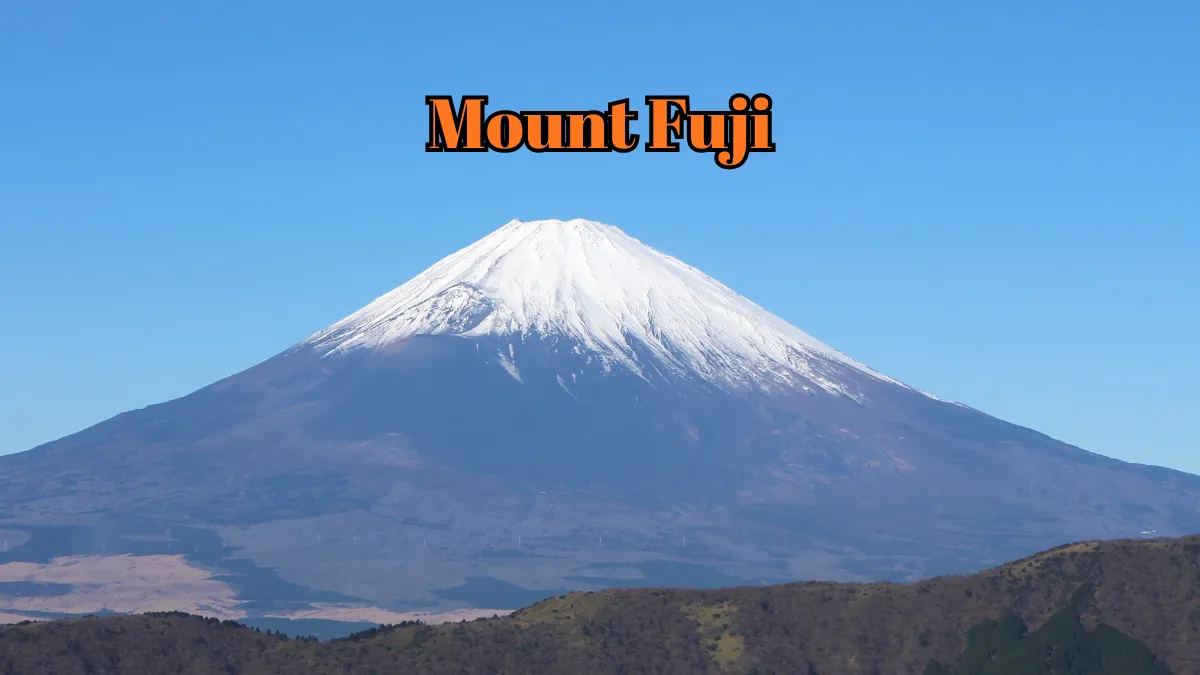
Mount Fuji is the most famous mountain in Japan and one of the most beautiful natural landmarks in the world. Rising high above the surrounding landscape, it has inspired poets, artists, pilgrims, and travelers for centuries. With its perfectly shaped cone and snow-covered peak, this mountain is more than just a tourist attraction. It is a symbol of Japan’s culture, history, and spiritual life.
Located on Honshu Island, about 100 kilometers southwest of Tokyo, Mount Fuji stands at 3,776 meters, making it the tallest mountain in Japan. Every year, millions of people visit the region to admire its beauty, climb to its summit, or simply enjoy the peaceful scenery around it. In this detailed guide, you will learn everything about Mount Fuji, including its history, geography, climbing routes, best time to visit, and travel tips.
Where Is Mount Fuji Located?
Mount Fuji is located on Honshu, the largest island of Japan, between the prefectures of Shizuoka and Yamanashi. It is part of the Fuji-Hakone-Izu National Park and is easily visible from Tokyo on clear days.
The mountain lies near the Pacific coast and is surrounded by beautiful lakes, forests, and small towns. The famous Fuji Five Lakes area sits at the northern base of the mountain and is one of the most popular spots for sightseeing and photography.
Because of its location close to the capital city, many visitors take a day trip from Tokyo to see Mount Fuji. High-speed trains and buses make the journey convenient and comfortable.
The History and Cultural Importance of Mount Fuji
Mount Fuji is not only a natural wonder but also a sacred mountain in Japanese culture. For centuries, it has been a place of pilgrimage and spiritual practice. Followers of Shinto and Buddhist traditions believe the mountain has divine power.
During the Edo period, climbing Mount Fuji became popular among ordinary people. Special groups called Fuji-ko were formed by worshippers who traveled together to reach the summit. Even today, many climbers consider the journey a spiritual experience rather than just a physical challenge.
In 2013, Mount Fuji was recognized as a UNESCO World Cultural Heritage Site. This honor was given not only for its natural beauty but also for its cultural influence on Japanese art and religion. Famous artists such as Katsushika Hokusai created woodblock prints featuring Mount Fuji, which are now known worldwide.
Geography and Volcanic Nature of Mount Fuji
Mount Fuji is an active stratovolcano. It last erupted in 1707 during the Edo period. This eruption covered nearby towns with ash and even affected areas as far as Tokyo. Although it is still considered active, scientists closely monitor the volcano, and there has been no recent eruption.
The mountain was formed over thousands of years through volcanic activity. It actually sits on top of two older volcanoes. Layers of lava and ash gradually created the tall, symmetrical cone that we see today.
The climate at Mount Fuji changes with altitude. At the base, the weather is usually mild. As you go higher, temperatures drop quickly, and strong winds are common. Snow covers the summit for several months each year, usually from October to June.
Climbing Mount Fuji: Routes and Experience
Official Climbing Season for Mount Fuji
The official climbing season for Mount Fuji usually runs from early July to early September. During this time, the weather is relatively stable, mountain huts are open, and safety services are available.
Climbing outside the official season is strongly discouraged due to dangerous weather conditions, snow, and lack of facilities. First-time climbers should always choose the official season for a safer experience.
Main Climbing Routes
There are four main routes to reach the summit of Mount Fuji. Each route offers a different experience in terms of scenery, difficulty, and crowd levels.
The Yoshida Trail is the most popular route. It starts from the north side in Yamanashi Prefecture and is considered the easiest for beginners. It has many mountain huts and clear signboards.
The Subashiri Trail begins in Shizuoka Prefecture and is less crowded. It features forest paths in the lower sections and joins the Yoshida Trail near the top.
The Gotemba Trail is the longest and most challenging route. It is suitable for experienced climbers who prefer fewer crowds.
The Fujinomiya Trail is the shortest route to the summit. It starts at a higher elevation, which makes the climb shorter but steeper.
What to Expect During the Climb
Climbing Mount Fuji usually takes five to seven hours to reach the summit and three to five hours to descend. Many climbers start in the afternoon, rest at a mountain hut, and then continue before sunrise to watch the famous sunrise from the top. This sunrise is called “Goraiko” and is considered a magical moment.
The air becomes thinner as you climb higher, so altitude sickness can be a problem. It is important to climb slowly, drink water, and take regular breaks. Proper hiking shoes, warm clothes, and a headlamp are necessary for safety.
Reaching the summit of Mount Fuji gives a strong sense of achievement. On clear days, you can see beautiful views of lakes, forests, and even the distant city of Tokyo.
Best Time to Visit Mount Fuji
Mount Fuji can be visited throughout the year, but the experience changes with each season.
In spring, cherry blossoms bloom around the Fuji Five Lakes, creating stunning views with the mountain in the background. This is one of the most photographed scenes in Japan.
Summer is the only safe time for climbing. The weather is warmer, and facilities are open. However, it is also the busiest season.
Autumn brings colorful leaves to the forests around Mount Fuji. The cooler air and bright red and orange trees create a peaceful atmosphere.
Winter offers clear skies and fewer tourists. The snow-covered peak looks especially beautiful against the blue sky. However, climbing is not allowed during this season due to safety reasons.
The Fuji Five Lakes Area
The Fuji Five Lakes area is located at the northern base of Mount Fuji. It includes Lake Kawaguchi, Lake Yamanaka, Lake Sai, Lake Shoji, and Lake Motosu. These lakes offer some of the best views of the mountain.
Lake Kawaguchi is the most developed and popular among tourists. It has hotels, museums, restaurants, and boat rides. Many visitors choose this area as their base for exploring Mount Fuji.
Lake Yamanaka is the largest of the five lakes and is popular for water sports. Lake Sai and Lake Shoji are quieter and perfect for those seeking peace and nature. Lake Motosu is famous for its deep blue color and its image on the Japanese 1,000 yen note.
The Fuji Five Lakes region is ideal for hiking, camping, cycling, and photography.
How to Reach Mount Fuji
Traveling to Mount Fuji is simple and convenient. From Tokyo, you can take a direct bus to the Fuji Five Lakes area. The journey usually takes about two hours.
Another option is to take a train from Tokyo to Otsuki Station and then transfer to the Fujikyu Railway line to Kawaguchiko Station. This route offers scenic views along the way.
For climbers, special buses operate during the climbing season to the fifth stations of each trail. These stations serve as starting points for the climb.
Things to Do Around Mount Fuji
Apart from climbing, there are many activities to enjoy around Mount Fuji.
Visitors can relax in traditional Japanese hot springs, known as onsen, with views of the mountain. These hot springs are especially enjoyable during cooler months.
Theme parks like Fuji-Q Highland offer exciting rides with Mount Fuji as a backdrop. There are also museums, art galleries, and cultural centers that showcase the mountain’s history.
Nature lovers can explore caves formed by volcanic activity, such as the Narusawa Ice Cave and Fugaku Wind Cave. These caves stay cool even during summer and provide a unique experience.
Photography is another popular activity. Early morning and sunset are the best times to capture clear and colorful images of Mount Fuji.
Environmental Protection and Responsible Tourism
Mount Fuji attracts millions of visitors each year, which can create environmental challenges. Littering and overcrowding have been serious issues in the past.
To protect the mountain, local authorities encourage responsible tourism. Climbers are asked to carry their trash back with them. A small climbing fee has been introduced to help maintain trails and facilities.
Visitors should respect local customs and follow safety guidelines. Protecting Mount Fuji ensures that future generations can enjoy its beauty.
Interesting Facts About Mount Fuji
Mount Fuji is the tallest mountain in Japan at 3,776 meters. It is visible from Tokyo on clear days despite being about 100 kilometers away.
The mountain has inspired countless artworks, including the famous series “Thirty-Six Views of Mount Fuji” by Katsushika Hokusai.
It is one of Japan’s “Three Holy Mountains,” along with Mount Tate and Mount Haku.
Every year, more than 200,000 people climb Mount Fuji during the official season.
The mountain’s near-perfect symmetrical shape was formed by repeated volcanic eruptions over thousands of years.
Why Mount Fuji Is a Must-Visit Destination
Mount Fuji is not just a mountain; it is a symbol of natural beauty, cultural heritage, and spiritual strength. Whether you choose to climb to the summit, explore the lakes, relax in hot springs, or simply admire it from a distance, the experience is unforgettable.
The peaceful atmosphere, changing seasons, and rich history make Mount Fuji a destination suitable for every type of traveler. From adventure seekers to photographers and cultural enthusiasts, everyone finds something special here.
Visiting Mount Fuji allows you to connect with Japan’s traditions and nature at the same time. Its beauty is simple yet powerful, and it leaves a lasting impression on all who see it.
Mount Fuji continues to stand proudly as Japan’s highest peak and most iconic landmark. For anyone planning a trip to Japan, experiencing Mount Fuji should be at the top of the travel list.