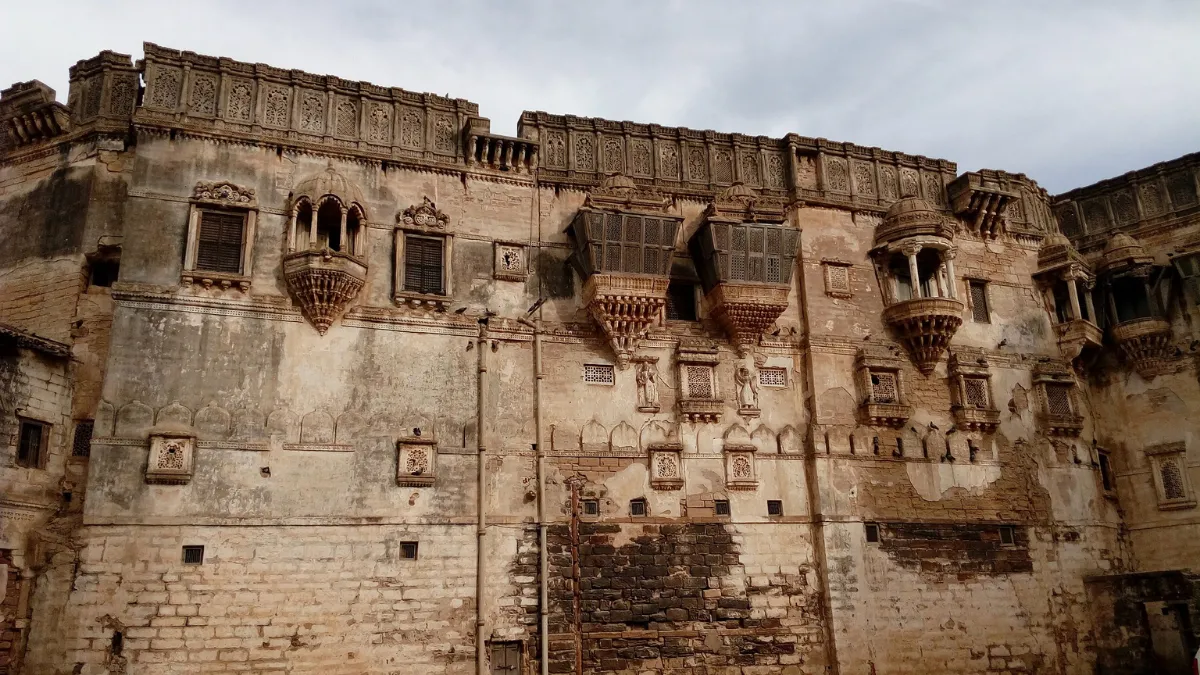
Located in the heart of Bhuj, the historic Aina Mahal Kutch stands as one of Gujarat’s most captivating symbols of craftsmanship and royal heritage. Built in 1752, this extraordinary palace has survived natural calamities, political shifts and the passage of centuries, yet continues to draw travellers from across India and around the world. Despite losing its upper storey during a devastating earthquake, the lower floor remains open to visitors, offering a remarkable glimpse into the opulent world of Kutch’s 18th-century rulers.
A Palace Born from Global Influences
Aina Mahal Kutch is celebrated not just for its architectural beauty, but also for its fascinating origin story. The palace was commissioned by Maharao Lakhpatji, one of the most influential rulers of the Kutch region. He entrusted the design and construction to Ram Singh Malam, a sailor and artisan from Dwarka, who had spent 18 years travelling throughout Europe. During his time abroad, Malam mastered a range of European artistic traditions, including glasswork, tile-making, enamel craft, and intricate architecture. When he returned to India, he brought with him a skill set that was unmatched in the region — and Aina Mahal became his most iconic creation.
A Unique Blend of Indian Royalty and European Aesthetics
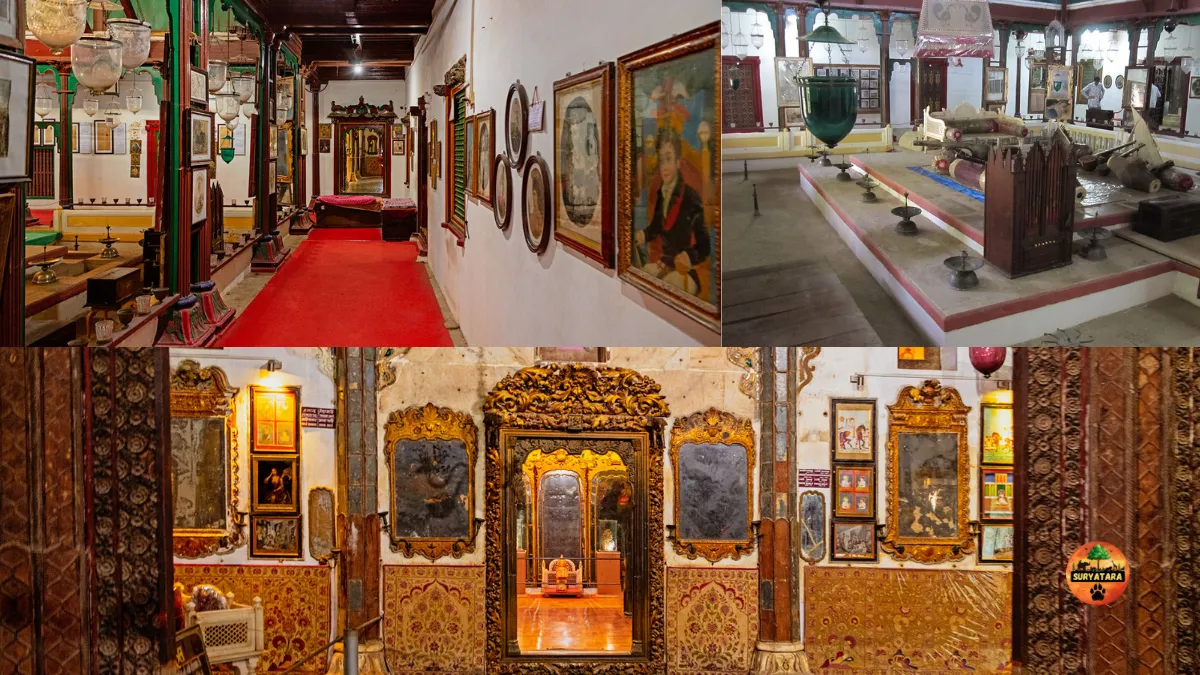
The palace stands as a rare example of Indo-European fusion architecture in western India. Its mirrored halls, delicate carvings and detailed ornamentation showcase the ruler’s fascination with European luxury. Visitors entering the palace immediately notice the spectacular mirrored interior — an elaborate design concept that earned Aina Mahal its name, meaning “Palace of Mirrors.”
Inside, the blue-and-white tiles, inspired by the Delft pottery style of the Netherlands, line the walls in striking patterns. Venetian-glass shades adorn the antique candelabras, adding an elegant glow to the rooms. The palace also houses an impressive collection of art, including the Harding lithograph series titled The Rake’s Progress, reflecting a strong connection to European cultural influences. Together, these artistic elements create an ambience that stands apart from any other royal structure in Gujarat.
Treasures Inside Aina Mahal Kutch
The palace interior presents a stunning display of royal artefacts that highlight the legacy of the Kutch rulers. One of the most notable exhibits is the extraordinary 15.2-metre scroll depicting a grand Kutch state procession. This hand-painted artwork offers a vivid narrative of royal ceremonies, military strength, musicians, dancers and elaborate customs of the region.
Visitors can explore the magnificent Fuvara Mahal, an opulent room once designed for entertainment and creativity. Here, fountains would play around Maharao Lakhpatji as he watched dancers perform or spent time writing poetry. The clever engineering behind these fountains — all designed by Ram Singh Malam — reflects the perfect blend of luxury and technical skill.
Another room that fascinates tourists is the royal bedroom. It features a bed that once belonged to Maharao Lakhpatji, known for having solid gold legs. Popular legend claims that the Maharao used each royal bed for only a year before auctioning it off — a tradition that adds another layer of intrigue to the palace’s history.
From the upper tower, visitors are treated to sweeping views of Rani Mahal, another historic royal structure within the walled palace complex. Despite damage from earthquakes, these structures continue to echo the grandeur of Kutch’s royal era.
Historical Legacy of Aina Mahal
The history of Aina Mahal is inseparable from the legacy of Maharao Lakhpatji and Ram Singh Malam. Their collaboration in the mid-18th century gave rise to a structure that not only represented the wealth and power of the region but also symbolised Kutch’s openness to global influences. Built in 1750–1752, the palace quickly became a cultural landmark, showcasing European craftsmanship blended seamlessly with Indian royal traditions.
Even today, the museum section of Aina Mahal remains a treasure house of Kutch’s artistic heritage. Its displays include royal jewellery, weapons, ceremonial items, artistic instruments and detailed documentation of the region’s cultural past.
Also read: Dholavira to Get World-Class Tourism Facilities Like Taj Mahal
How to Reach Aina Mahal Kutch
Aina Mahal is located in the old walled city of Bhuj, making it easily accessible for tourists arriving by road, rail or air.
By Road
Bhuj is well connected through state and private bus services from major cities across Gujarat. Regular buses operate from Ahmedabad, Rajkot, Vadodara and other urban centres, making it convenient for travellers to reach the city.
By Train
Bhuj railway station falls on the Western Railway network and has direct connections to several important destinations. Trains operate to Ahmedabad, Mumbai and other key cities, offering an affordable and comfortable travel option.
By Air
The Bhuj airport is located just four kilometres from the city centre. It offers regular domestic flights connecting Bhuj to major airports within India, ensuring easy access for travellers arriving from long distances or from outside Gujarat.
Also read: Dholavira in the World Heritage Site: Gujarat’s Ancient Harappan City Shines Globally
A Living Museum of Kutch Heritage
Today, Aina Mahal Kutch stands not only as a historical monument but also as a living museum that celebrates the region’s artistic, architectural and cultural brilliance. For travellers seeking to explore Gujarat’s royal past, this palace offers an unforgettable journey into the elegance, creativity and global influences that shaped Kutch in the 18th century. Its luminous mirrored halls, rare artefacts and remarkable engineering continue to inspire visitors and historians alike — making Aina Mahal one of the most cherished heritage sites in western India.