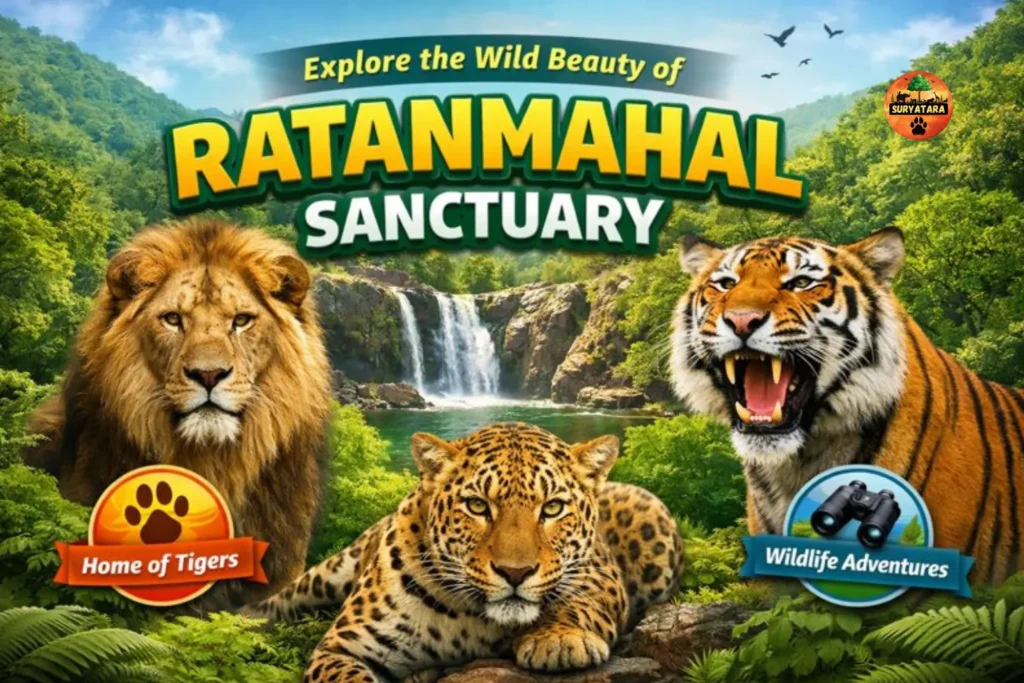
Gujarat, long celebrated across the world as the last natural home of the Asiatic lion, is now writing a new chapter in India’s wildlife conservation history. For the first time ever, a single Indian state has officially been confirmed as home to all three major big cats-the lion, the leopard, and the tiger. The announcement, made by the National Tiger Conservation Authority (NTCA), marks a defining moment for Gujarat’s forests and positions the state once again on the national and global conservation map.
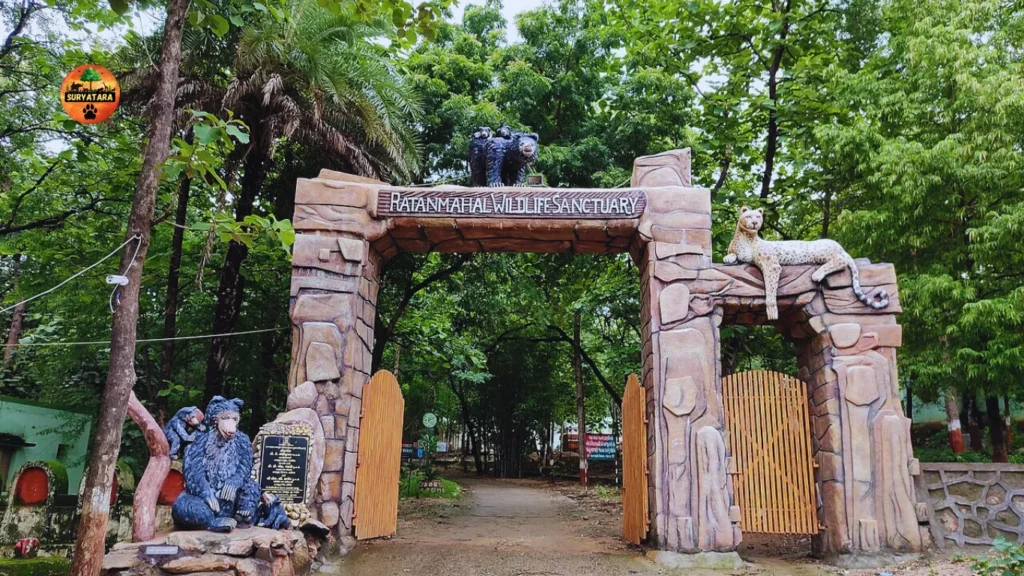
At the heart of this historic development lies Ratanmahal Sanctuary, a forested landscape in Gujarat’s Dahod district. After more than three decades without an officially recorded tiger population, the NTCA has formally acknowledged that a tiger has established a stable and long-term presence in this sanctuary. With this recognition, Gujarat is steadily reclaiming its long-lost status as a “tiger state,” a title it last held in the late 1980s.
A Landmark Moment for Indian Wildlife Conservation
India is home to the world’s largest population of wild tigers, yet the coexistence of lions, leopards, and tigers within a single state has never before been officially documented. Gujarat’s achievement is therefore not merely symbolic- it represents a rare ecological convergence and a major conservation success.
According to NTCA officials, the sustained presence of a tiger in Ratanmahal Sanctuary over an extended period demonstrates that Gujarat’s forest ecosystems are once again capable of supporting apex predators. This development reflects decades of conservation work, improved habitat protection, increased prey availability, and effective forest management.
The confirmation also underscores an important shift in India’s wildlife narrative: tiger conservation is no longer confined strictly to designated tiger reserves. Instead, tigers are beginning to reclaim landscapes beyond traditional boundaries, adapting to new habitats that offer safety, food, and water.
Gujarat’s Journey from Lion Land to Big Cat State
For decades, Gujarat’s wildlife identity has been inseparably linked to the Asiatic lion. The Gir Forest National Park and its surrounding landscapes have served as the sole natural habitat of this endangered species. Conservation efforts in Gir are often cited as a global success story, with lion numbers steadily increasing despite challenges such as disease outbreaks, human-wildlife conflict, and habitat fragmentation.
Leopards, meanwhile, have long thrived across Gujarat’s varied terrain — from forests and hills to agricultural fields and even the fringes of urban areas. Known for their adaptability, leopards have maintained a widespread presence throughout the state.
The missing piece in this ecological triad, however, was the tiger.
Gujarat last recorded an official tiger count in 1989. When no verified tiger evidence emerged in subsequent years, the state was excluded from India’s national tiger census. By the early 1990s, Gujarat had effectively lost its “tiger state” status.
That long absence has now come to an end.
How the Tiger Found a Home in Ratanmahal Sanctuary
Forest officials revealed that the tiger currently residing in Ratanmahal Sanctuary first entered the region from the neighboring state of Madhya Pradesh in February. Initially believed to be a transient or dispersing young male, the animal’s movements were closely monitored.
Over time, however, something remarkable became clear.
For more than ten months, the tiger remained within the same forested zone of Ratanmahal. Camera traps, photographic evidence, pugmark analysis, and direct sightings consistently placed the animal in a defined territory. These findings were compiled and submitted to the NTCA, which then dispatched a specialized assessment committee to the site.
After extensive evaluation, the NTCA concluded that the tiger was no longer merely passing through. It had established a stable home range, meeting the criteria for permanent residency.
As a result, Gujarat will now be officially included in the All India Tiger Estimation 2026, a milestone decision that confirms the tiger’s settled status and restores the state’s relevance in national tiger conservation planning.
Why Ratanmahal Sanctuary Is Ideal for Tigers
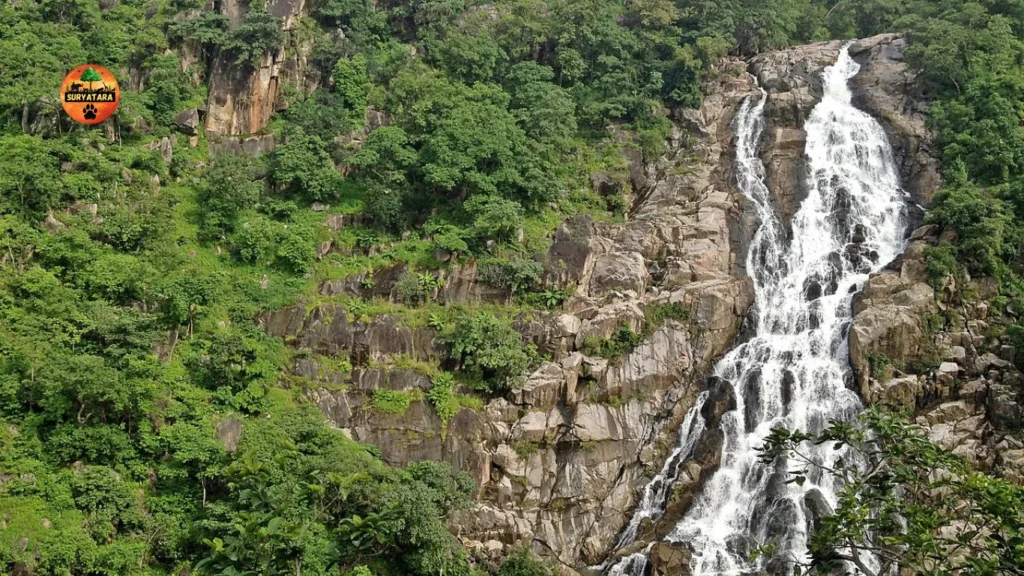
Located in eastern Gujarat along the Madhya Pradesh border, Ratanmahal Sanctuary is characterized by dense forests, undulating terrain, and relatively low human disturbance compared to other landscapes. The sanctuary offers three critical ingredients necessary for tiger survival:
- Adequate Water Sources
The region contains perennial streams and seasonal water bodies that sustain wildlife throughout the year. - Healthy Prey Base
Species such as chital (spotted deer), sambar, wild boar, and other herbivores are present in sufficient numbers, ensuring consistent food availability. - Natural Cover and Security
Thick vegetation and limited human activity provide the seclusion tigers require to hunt, rest, and breed.
Senior Indian Forest Service (IFS) officer Dr. Jaipal Singh confirmed that the tiger appears comfortable and confident within the sanctuary. Regular monitoring has shown stable movement patterns, normal behavior, and good physical health-all indicators of successful adaptation.
Official Recognition by NTCA: What It Means
The NTCA’s formal acknowledgment carries significant implications. It means that Gujarat is no longer considered a state without tigers and will now receive greater attention in national conservation strategies.
According to NTCA officials, a tiger’s ability to survive and settle outside a traditional tiger reserve demonstrates ecological resilience and the success of India’s broader wildlife protection framework.
The authority emphasized that the tiger’s continued presence in one area for an extended period is a strong indicator that Gujarat’s forests meet the biological requirements of the species.
Preparations for Radio-Collaring and Advanced Monitoring
With the tiger’s permanent status confirmed, forest authorities have begun preparing for the next phase of conservation management. Plans are underway to fit the animal with a radio collar during the upcoming census period.
Radio-collaring will allow officials to:
- Track movement patterns and territory size
- Monitor interactions with human settlements
- Assess habitat use and prey selection
- Respond quickly to potential conflict situations
In addition, surveys will be conducted to evaluate prey density, forest connectivity, and the feasibility of long-term tiger conservation in and around Ratanmahal Sanctuary.
The Possibility of Developing a Tiger Sanctuary
One of the most significant outcomes of this development is the growing discussion around upgrading Ratanmahal’s conservation status. If conditions continue to remain favorable, the sanctuary could eventually be developed into a dedicated tiger conservation area.
Forest officials are already implementing measures to strengthen the ecosystem, including efforts to increase prey populations and improve habitat quality. These steps are part of the broader “Tigers Outside Tiger Reserves” initiative, which aims to support tiger populations beyond traditional protected zones.
Exploring the Introduction of a Female Tiger
Currently, officials have confirmed that only one tiger resides in Ratanmahal Sanctuary. Recent rumors about the presence of a second tiger were investigated and dismissed after detailed analysis showed that all observed pugmarks and sightings belonged to the same individual.
However, long-term conservation success requires more than a solitary animal.
To this end, the Gujarat Forest Department has formally communicated with the NTCA regarding the possibility of introducing a female tiger to the sanctuary. The aim is to encourage natural breeding and establish a viable local population.
This process, however, will be approached with extreme caution.
A Scientific and Multi-Stage Evaluation Process
NTCA officials have outlined a rigorous evaluation framework that must be completed before any decision is made to relocate a tigress to Ratanmahal Sanctuary. Key considerations include:
- Human-Tiger Conflict Risk: Assessing the proximity of villages and the likelihood of negative interactions
- Habitat Suitability: Evaluating forest cover, prey density, and water availability
- Security Measures: Ensuring adequate patrolling, monitoring, and response capabilities
- Genetic Compatibility: Carefully matching the tigress with the resident tiger to maintain genetic diversity and avoid inbreeding
Officials liken the genetic matching process to “matching horoscopes,” emphasizing that compatibility will be verified through scientific analysis before approval.
Once these assessments are completed, the NTCA will prepare a detailed report addressing food security, future cub safety, and the sanctuary’s long-term capacity to sustain a breeding population.
Read also: Best Cameras for Wildlife Photography: Capture Nature’s Most Breathtaking Moments Like a Pro
From Gir to Ratanmahal: A New Wildlife Identity for Gujarat
While Gir continues to symbolize lion conservation success, the emergence of Ratanmahal Sanctuary as a potential tiger stronghold is reshaping Gujarat’s wildlife identity.
On one side of the state, the roar of the Asiatic lion echoes through Gir’s dry forests. On the other, deep within Ratanmahal’s dense woodland, the low rumble of a tiger’s growl has returned after more than 30 years.
Together with the widespread presence of leopards, Gujarat now stands alone as India’s first state to officially host all three big cats within its borders.
Read also: Asola Bhatti Wildlife Sanctuary: A Delhi’s Hidden Natural Escape
Conservation Success Built Over Decades
Experts note that this achievement did not happen overnight. It is the result of sustained conservation policies, improved forest governance, increased community awareness, and stricter protection against poaching.
Gujarat’s forest department has invested heavily in habitat restoration, anti-poaching patrols, and scientific monitoring. The state’s experience with lion conservation has also provided valuable institutional knowledge that is now being applied to tiger protection.
What Lies Ahead for Ratanmahal Sanctuary
If ongoing efforts succeed, Ratanmahal Sanctuary could emerge as one of western India’s most important wildlife conservation zones. The establishment of a stable tiger population would not only enhance biodiversity but also open new opportunities for eco-tourism, research, and community-based conservation initiatives.
However, officials stress that caution and patience will be key. The priority remains ensuring the safety of both wildlife and local communities while allowing natural ecological processes to unfold.
Read also: Gir National Park and Wildlife Sanctuary: India’s Legendary Home of the Asiatic Lion
A New Chapter in Gujarat’s Wildlife History
The return of the tiger to Gujarat is more than a conservation milestone-it is a powerful symbol of ecological recovery and coexistence. From losing its tiger status in the 1990s to becoming the only state in India where lions, leopards, and tigers roam together, Gujarat’s journey reflects the long-term rewards of sustained environmental stewardship.
As Ratanmahal Sanctuary continues to echo with the presence of this iconic predator, the state stands at the threshold of a new era-one where the legacy of Gir’s lions is joined by the resurgence of the tiger, reaffirming Gujarat’s place as a cornerstone of India’s natural heritage.