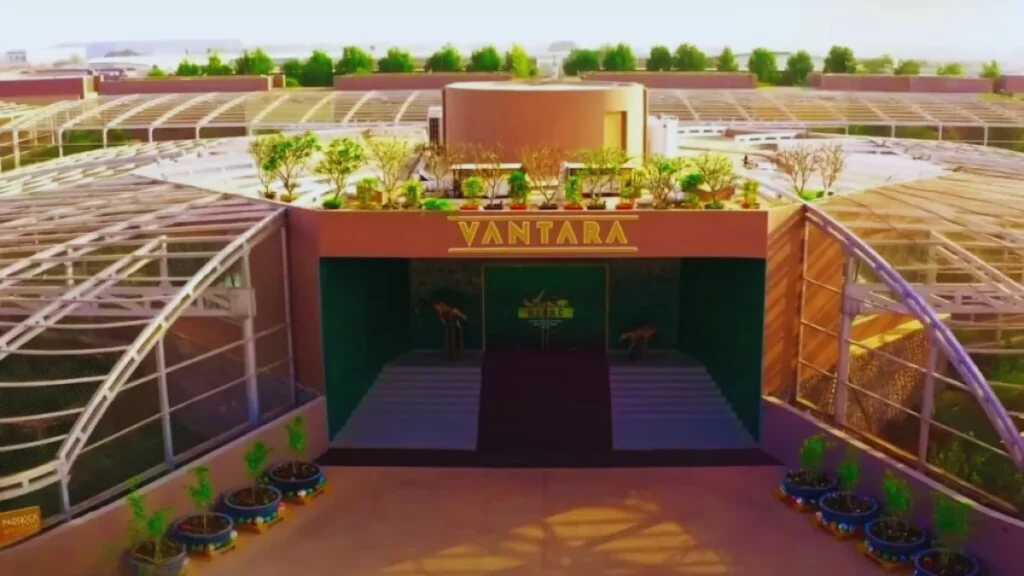
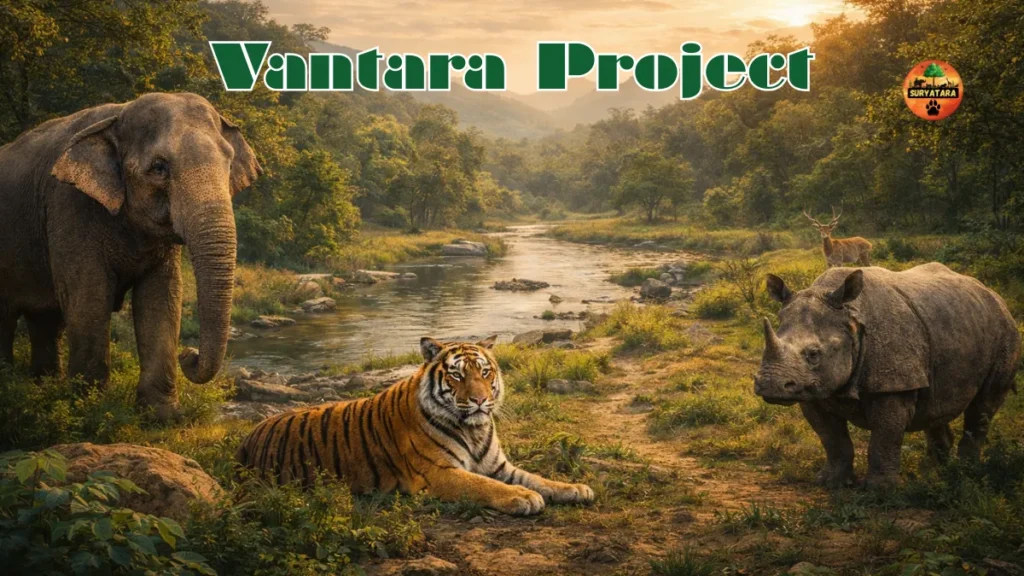
Vantara project represents one of the most ambitious and thoughtfully designed wildlife conservation initiatives ever undertaken in India, combining scientific care, large-scale habitat restoration, and a long-term vision for coexistence between humans and animals. Conceived as a response to the growing crisis faced by wildlife due to habitat loss, illegal trafficking, and human–animal conflict, this project aims to create a safe, sustainable, and ethically managed environment for animals rescued from distressing conditions.
Over the past few decades, rapid urbanization, industrial expansion, and environmental degradation have placed immense pressure on wildlife ecosystems across the country. Countless animals have been displaced from their natural habitats, while others have fallen victim to poaching, illegal trade, neglect, or inadequate captive facilities. In this context, the emergence of a comprehensive initiative like Vantara project marks a significant shift in how wildlife welfare and conservation are approached in India.
This article explores the origins, philosophy, infrastructure, ecological importance, ethical framework, and broader implications of this project, while also examining its role in shaping the future of wildlife conservation.
Understanding the Vision Behind the Vantara Project
At its core, the Vantara project is built on a simple yet powerful idea: animals that have suffered due to human actions deserve a second chance at life in an environment that prioritizes dignity, care, and natural behavior. Unlike traditional zoological parks or small rescue centers, this initiative is designed as an expansive conservation and rehabilitation space where animals are not merely housed but actively restored to physical and psychological well-being.
The project emphasizes long-term care rather than short-term solutions. Many rescued animals cannot be released back into the wild due to injuries, loss of survival skills, or prolonged captivity. For such animals, Vantara provides a lifelong sanctuary that closely mirrors natural habitats, allowing them to live with minimal stress and maximum freedom within protected boundaries.
This philosophy reflects a growing global recognition that conservation must go beyond protecting land and species numbers. It must also address animal welfare, ethical responsibility, and ecological balance in a holistic manner.
The Scale and Location of the Initiative
One of the defining features of the Vantara project is its sheer scale. Spread across thousands of acres, the sanctuary has been carefully planned to accommodate diverse species, each with unique environmental and behavioral needs. The landscape includes forests, grasslands, wetlands, and water bodies, all developed to resemble natural ecosystems rather than artificial enclosures.
The location was selected after extensive ecological assessments to ensure minimal disruption to existing biodiversity while allowing room for habitat creation and restoration. Native plant species have been prioritized to support local ecosystems, promote soil health, and attract naturally occurring fauna such as birds, insects, and small mammals.
By integrating conservation planning with landscape ecology, the project sets a benchmark for how large-scale wildlife facilities can coexist with surrounding environments instead of dominating or damaging them.
Rescue and Rehabilitation: A Central Pillar
Rescue and rehabilitation lie at the heart of the Vantara project. Animals arrive from a wide range of distress situations, including illegal trafficking cases, circuses, poorly managed private collections, conflict zones, and overcrowded or inadequate facilities. Each rescue operation is carried out in coordination with authorities, veterinarians, and wildlife experts to ensure safe and legal transfer.
Once an animal arrives, it undergoes a comprehensive health and behavioral assessment. Veterinary teams evaluate physical injuries, nutritional deficiencies, and chronic conditions, while animal behaviorists assess stress levels, social compatibility, and psychological trauma. This information forms the basis of an individualized care and rehabilitation plan.
Rehabilitation focuses not only on medical treatment but also on restoring natural behaviors. Enclosures are designed to encourage movement, exploration, foraging, and social interaction where appropriate. Over time, many animals show remarkable improvements in health and behavior, highlighting the importance of environment-driven healing.
Veterinary Care and Scientific Expertise
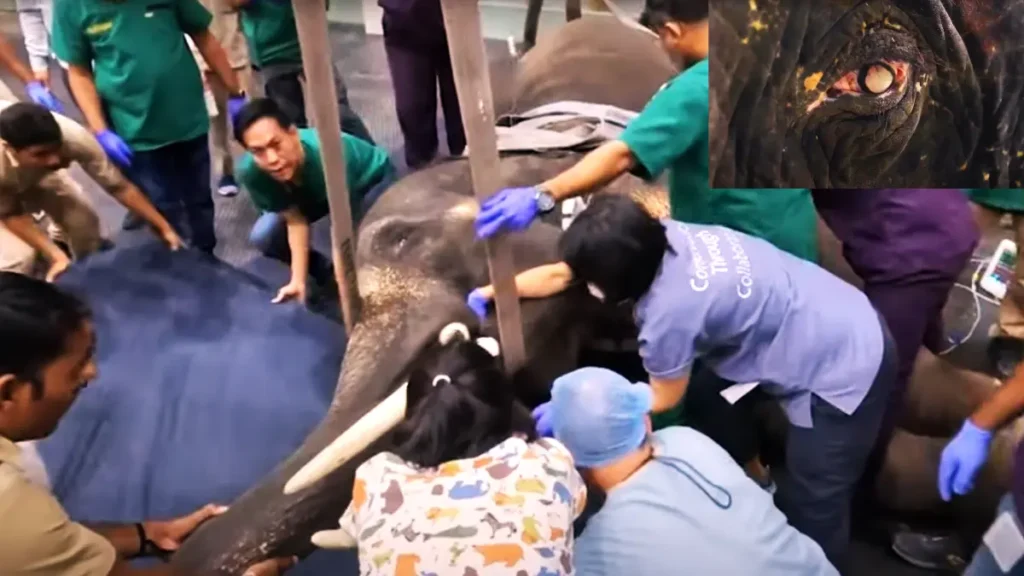
A major strength of the Vantara project is its investment in advanced veterinary infrastructure and scientific expertise. The project hosts modern animal hospitals equipped with diagnostic imaging, surgical units, quarantine facilities, and laboratories. These facilities enable timely and accurate medical interventions, even for complex cases involving large mammals or exotic species.
The veterinary team includes specialists in wildlife medicine, anesthesia, surgery, pathology, and nutrition. Collaboration with researchers and academic institutions further strengthens the scientific foundation of animal care. Continuous monitoring of health parameters ensures early detection of disease and effective long-term management.
Beyond treatment, the project contributes to wildlife science by documenting medical cases, rehabilitation outcomes, and behavioral observations. This growing body of knowledge has the potential to inform best practices in wildlife care across the country.
Ethical Framework and Animal Welfare Standards
Ethics play a central role in shaping every aspect of the Vantara project. From rescue protocols to enclosure design, decisions are guided by the principle that animals are sentient beings with intrinsic value, not objects of display or entertainment.
There are strict policies against exploitative practices. Animals are not forced to perform, breed for commercial purposes, or interact with humans in ways that compromise their welfare. Human presence within animal zones is carefully regulated to minimize stress, and observation is structured to be non-intrusive.
Enrichment programs are an integral part of welfare management. These include environmental enrichment, cognitive challenges, sensory stimulation, and social opportunities tailored to each species. Such practices help prevent boredom, reduce stress-related behaviors, and promote overall well-being.
Habitat Design and Ecological Sensitivity
The design philosophy of the sanctuary reflects a deep understanding of ecology and animal behavior. Instead of uniform enclosures, the landscape is divided into zones that replicate natural habitats such as tropical forests, savannas, wetlands, and arid regions.
Each habitat zone is planned with attention to space, vegetation, terrain, and climate control. Water bodies are created to support aquatic and semi-aquatic species, while shaded forest areas provide refuge for animals sensitive to heat. Natural barriers like moats, vegetation buffers, and elevation changes are used instead of cages wherever possible.
This approach not only benefits resident animals but also enhances biodiversity within the sanctuary. Native flora supports insects, birds, and small animals, creating a functioning ecosystem rather than a collection of isolated enclosures.
Education and Awareness Without Commercialization
While public awareness is an important aspect of conservation, the Vantara project adopts a careful and responsible approach to education. The focus is on conveying accurate information about wildlife, conservation challenges, and ethical responsibility, without turning animals into attractions.
Educational programs are designed for students, researchers, and conservation professionals. These programs emphasize ecological literacy, empathy for animals, and the interconnectedness of human and natural systems. By fostering understanding rather than spectacle, the project aims to cultivate long-term conservation values.
Importantly, education here is not driven by mass tourism or entertainment. The emphasis remains on learning, respect, and responsibility.
Conservation Impact Beyond the Sanctuary
The influence of the Vantara project extends far beyond its physical boundaries. By setting high standards for animal welfare, veterinary care, and habitat design, it serves as a reference point for other conservation initiatives in India.
The project also supports broader conservation efforts through partnerships with forest departments, wildlife authorities, and non-governmental organizations. Rescue operations help relieve pressure on overcrowded facilities, while expertise-sharing contributes to capacity building across the sector.
In the long term, such collaborations can strengthen national frameworks for wildlife protection and rehabilitation, ensuring that rescued animals receive consistent and humane care wherever they are found.
Key Components of the Vantara Project
| Component | Description |
|---|---|
| Rescue Operations | Legal and ethical rescue of animals from distress, trafficking, or conflict situations |
| Veterinary Facilities | Advanced hospitals, diagnostic labs, and long-term medical care units |
| Habitat Zones | Large, naturalistic environments tailored to different species |
| Rehabilitation Programs | Physical and psychological recovery through structured care |
| Research and Documentation | Data collection and analysis to improve wildlife care practices |
| Education Initiatives | Awareness programs focused on conservation and ethical responsibility |
Challenges and Responsible Solutions
Managing a project of this magnitude is not without challenges. Caring for a diverse range of species requires significant resources, skilled personnel, and continuous monitoring. Climate variations, disease management, and behavioral complexities add further layers of responsibility.
The Vantara project addresses these challenges through careful planning, adaptive management, and investment in human expertise. Regular audits, welfare assessments, and scientific reviews help maintain high standards and identify areas for improvement.
Transparency and accountability are also essential. By aligning operations with legal frameworks and ethical norms, the project ensures credibility and long-term sustainability.
The Broader Significance for India
India is home to an extraordinary range of wildlife, but it also faces intense pressure from population growth and land-use change. In this context, the Vantara project offers a model for how conservation can be integrated into modern development without compromising ethical values.
It demonstrates that large-scale initiatives can prioritize animal welfare, ecological sensitivity, and scientific rigor simultaneously. More importantly, it reinforces the idea that conservation is not only about protecting species in the wild but also about taking responsibility for animals already affected by human activity.
Looking Toward the Future
As conservation challenges continue to evolve, projects like this will play an increasingly important role. Climate change, habitat fragmentation, and illegal trade are complex problems that require multifaceted solutions. The Vantara project illustrates how long-term vision, adequate resources, and ethical commitment can come together to address these issues meaningfully.
Future plans include expanding research collaborations, enhancing habitat complexity, and supporting national conservation strategies through expertise and infrastructure. While no single initiative can solve all conservation problems, such efforts contribute significantly to building a more compassionate and sustainable relationship with wildlife.
Conclusion
The Vantara project stands as a powerful example of what modern wildlife conservation can achieve when guided by ethics, science, and empathy. By focusing on rescue, rehabilitation, and lifelong care within ecologically sensitive environments, it redefines how society responds to the consequences of human impact on animals.
Rather than treating wildlife as distant or expendable, the project invites a deeper sense of responsibility and respect. In doing so, it not only improves the lives of countless animals but also sets a new standard for conservation initiatives in India and beyond.
As awareness grows and lessons from this initiative are shared, the hope is that similar models will emerge, ensuring that compassion and conservation move forward hand in hand.