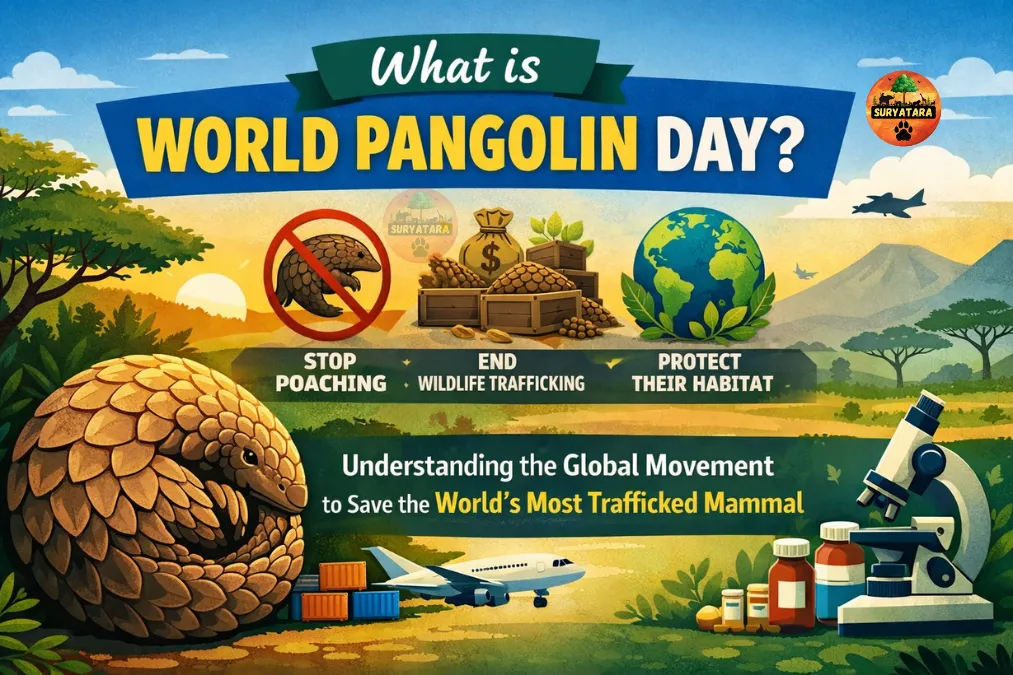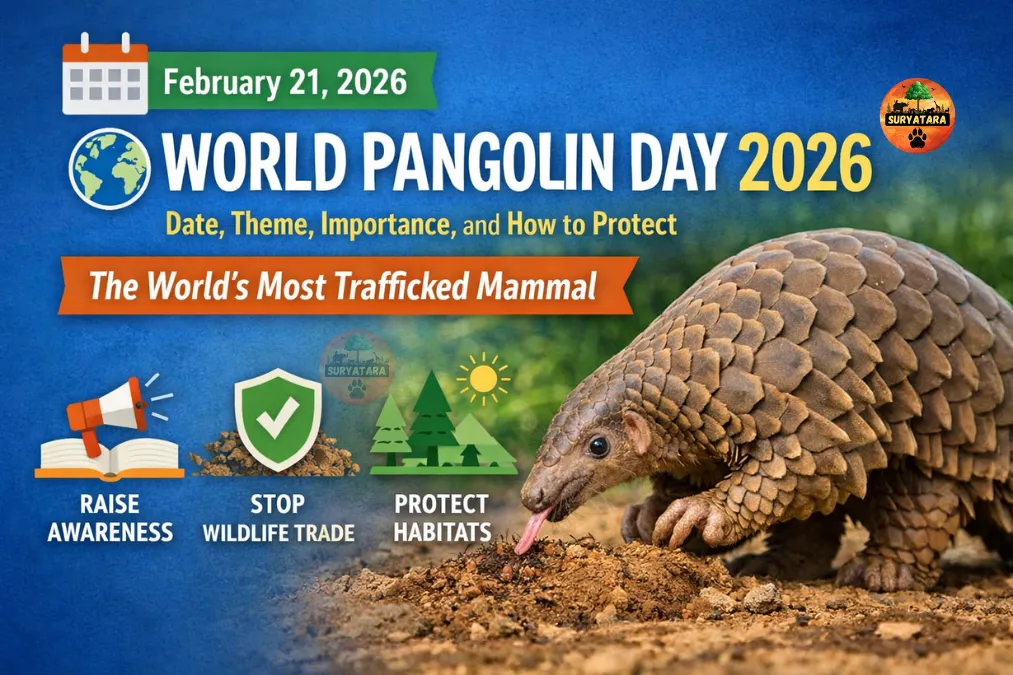
World pangolin day 2026 will once again bring global attention to one of the most unique and endangered animals on Earth. Celebrated every year on the third Saturday of February, this special day highlights the urgent need to protect pangolins from illegal wildlife trade, habitat loss, and extinction.
In 2026, World Pangolin Day will be observed on 21 February. Wildlife organizations, conservationists, governments, schools, and animal lovers around the world will come together to spread awareness and promote action. Pangolins may not be as famous as tigers or elephants, but they are among the most trafficked mammals in the world. This day gives them a much-needed voice.
What Is World Pangolin Day 2026?
World Pangolin Day 2026 is an international awareness event dedicated to the protection and conservation of pangolins. The day was created by conservation groups to educate people about the threats pangolins face and to encourage global efforts to save them.
The event is supported by organizations such as the International Union for Conservation of Nature and the World Wildlife Fund, along with many local wildlife groups across Asia and Africa. Activities on this day include awareness campaigns, school programs, wildlife documentaries, social media movements, and fundraising drives.
World Pangolin Day 2026 is not just about celebrating an animal. It is about protecting biodiversity, strengthening wildlife laws, and educating communities about the importance of conservation.
What Is a Pangolin?
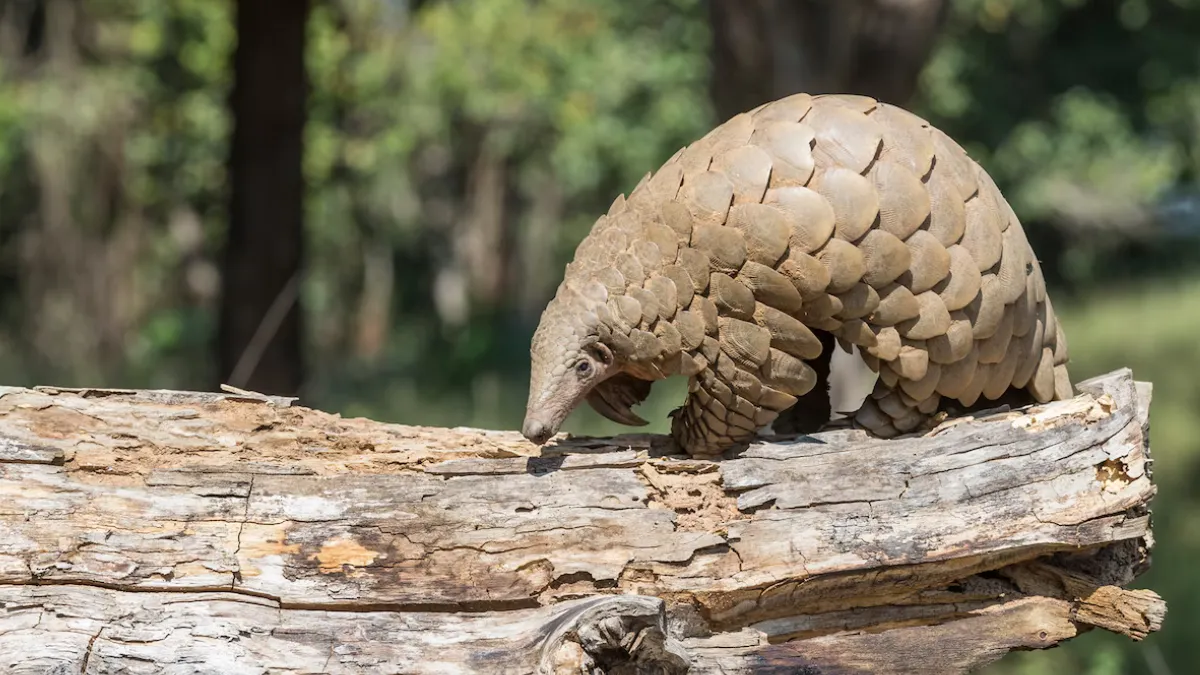
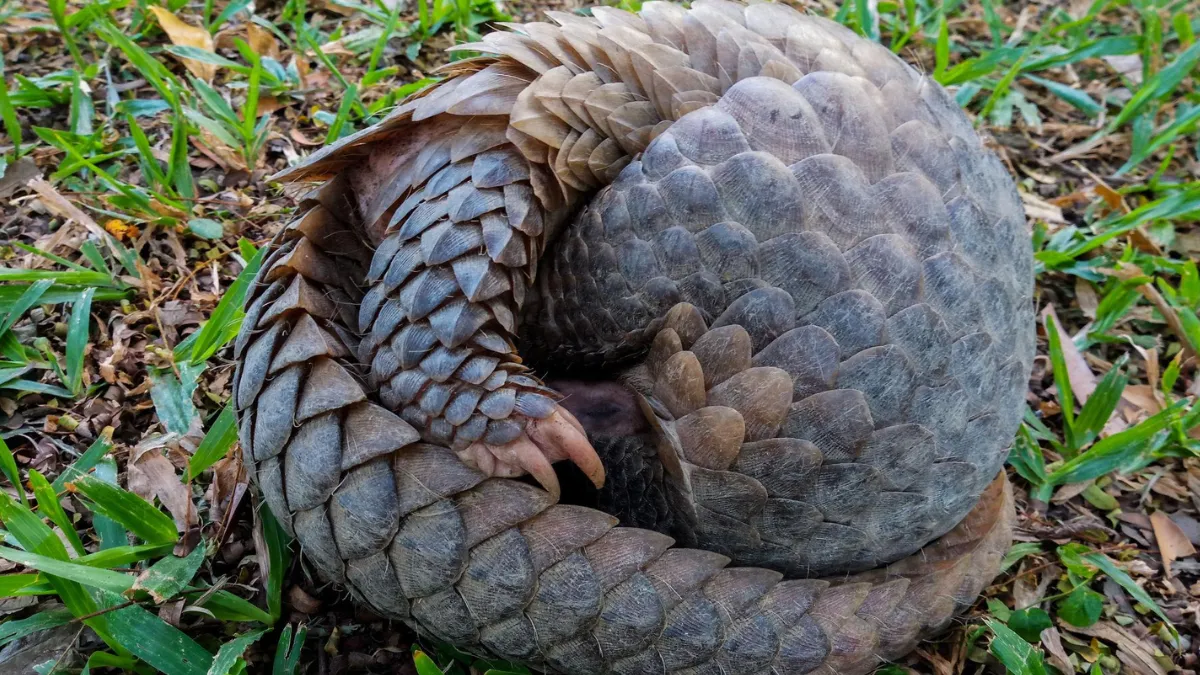
Pangolins are small to medium-sized mammals covered in hard, overlapping scales made of keratin, the same material found in human nails. When threatened, they curl into a tight ball to protect themselves from predators.
There are eight species of pangolins found in Asia and Africa. In India, the most well-known species is the Indian pangolin. Pangolins are often called “scaly anteaters” because they mainly eat ants and termites using their long, sticky tongues.
Despite their strong scales, pangolins are very gentle and shy animals. They do not attack humans and are completely harmless. Sadly, this peaceful nature makes them easy targets for poachers.
Why Is World Pangolin Day 2026 Important?
World pangolin day 2026 is important because pangolins are in serious danger of extinction. According to global conservation reports, millions of pangolins have been trafficked illegally over the past decades.
Their scales are used in traditional medicine in some parts of the world, even though there is no scientific proof that they have medical benefits. Pangolin meat is also considered a delicacy in certain regions. This illegal demand has created a massive black market trade.
Habitat destruction is another major threat. Forest clearing for agriculture, urban development, and mining reduces the natural homes of pangolins. Without safe habitats, they cannot survive or reproduce properly.
By observing World Pangolin Day 2026, conservationists aim to reduce demand, strengthen wildlife laws, and promote scientific awareness.
The Theme of World Pangolin Day 2026
Each year, World Pangolin Day focuses on a specific conservation message. While the official theme for 2026 will be announced closer to the date, it is expected to highlight stronger global cooperation against wildlife trafficking and better protection of natural habitats.
Past themes have focused on ending illegal trade, supporting community conservation, and protecting pangolin habitats. The goal of World Pangolin Day 2026 will likely continue this mission by encouraging countries to work together to stop cross-border wildlife crime.
Pangolins and the Illegal Wildlife Trade
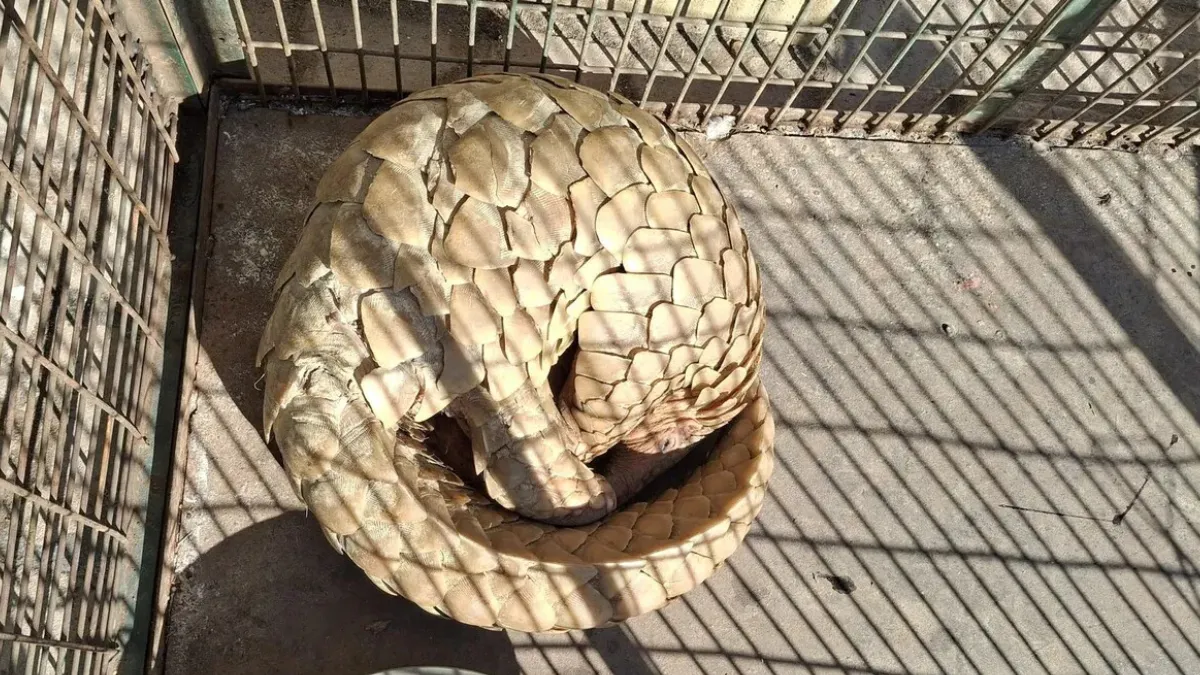
Illegal wildlife trade is one of the biggest threats to pangolins. They are often captured and smuggled across borders for their scales and meat. This trade is highly organized and involves criminal networks.
International agreements such as those regulated by the Convention on International Trade in Endangered Species of Wild Fauna and Flora have banned the commercial trade of pangolins. However, enforcement remains a challenge in many regions.
World pangolin day 2026 will highlight the need for stronger law enforcement, better border monitoring, and tougher punishments for wildlife traffickers. Public awareness also plays a major role. When people understand the consequences of buying illegal wildlife products, demand decreases.
Pangolins in India
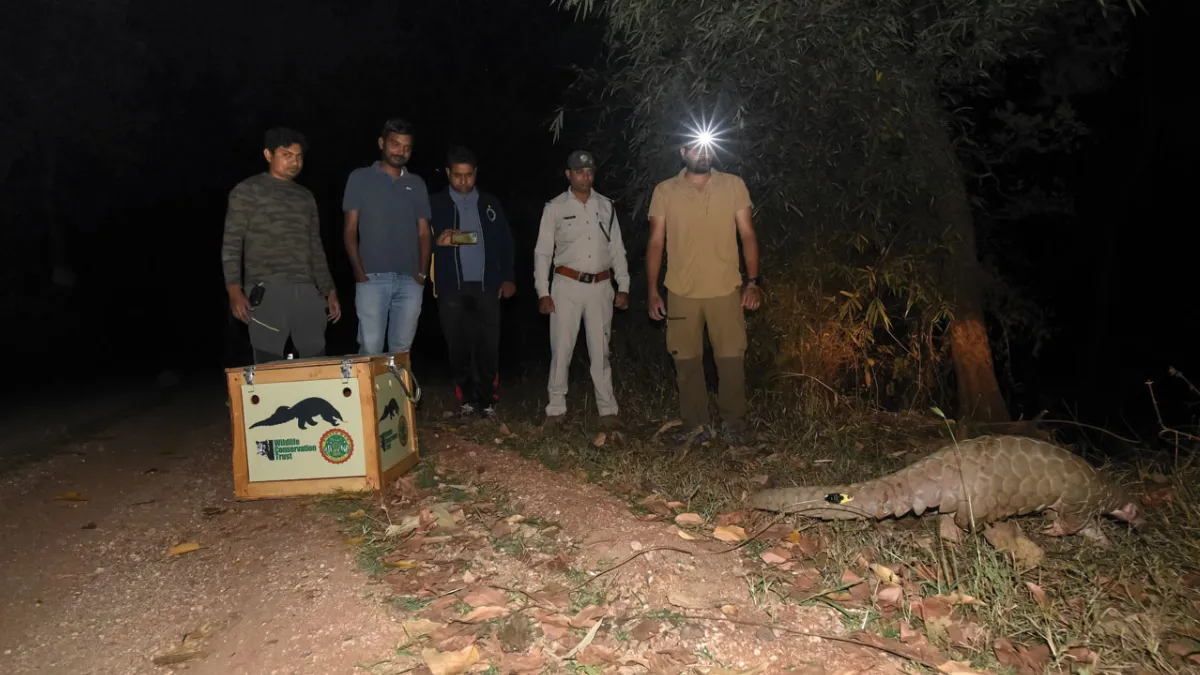
India is home to the Indian pangolin, which is protected under the Wildlife Protection Act. Despite legal protection, poaching cases are still reported in several states.
Indian wildlife authorities and conservation groups are actively working to rescue trafficked pangolins and return them to safe habitats. Awareness programs in rural communities are helping reduce illegal hunting.
World pangolin day 2026 in India will likely include school workshops, wildlife exhibitions, and social media campaigns encouraging citizens to report illegal wildlife trade.
Ecological Importance of Pangolins
Pangolins play a vital role in maintaining ecological balance. A single pangolin can eat thousands of ants and termites in one night. This natural pest control helps protect crops, forests, and wooden structures.
By controlling insect populations, pangolins support healthy ecosystems. Their burrowing activities also improve soil quality and allow better water absorption.
If pangolins disappear, ecosystems may suffer from uncontrolled insect populations. This is why World Pangolin Day 2026 is not just about saving one species. It is about protecting entire ecosystems.
How Schools and Communities Can Celebrate World Pangolin Day 2026
Schools can organize educational programs to teach students about pangolins and wildlife conservation. Activities may include drawing competitions, essay writing, wildlife documentaries, and group discussions.
Communities can host awareness walks, online campaigns, and fundraising events for conservation organizations. Social media plays a powerful role in spreading information quickly.
People can share facts about pangolins, use awareness hashtags, and encourage others to support wildlife protection. Even small efforts can make a big difference.
World pangolin day 2026 provides an opportunity for everyone to participate, regardless of age or location.
How Individuals Can Help Protect Pangolins
Protecting pangolins does not require special skills. Simple actions can create strong impact.
First, never buy products made from wildlife parts. Avoid traditional medicines or decorative items that may contain pangolin scales.
Second, support trusted wildlife conservation organizations through donations or volunteer work. Many groups work directly in pangolin rescue and rehabilitation.
Third, spread awareness. Talk to friends and family about why pangolins need protection. Share verified information online to educate others.
Fourth, report illegal wildlife trade if you see suspicious activities. Many countries have wildlife crime helplines.
World pangolin day 2026 reminds us that individual responsibility is powerful. When millions of people take small steps, global change becomes possible.
Role of Governments in Pangolin Conservation
Governments play a crucial role in protecting pangolins. Strong laws, strict enforcement, and international cooperation are necessary to stop wildlife crime.
Investment in forest protection and habitat restoration is also essential. Protected areas must be monitored properly to prevent illegal hunting.
Cross-border collaboration helps track smuggling networks and share intelligence. World pangolin day 2026 encourages governments to renew their commitment to wildlife conservation and strengthen existing policies.
Media and Digital Awareness on World Pangolin Day 2026
Media coverage is essential for the success of World Pangolin Day 2026. News articles, documentaries, and interviews with conservation experts help inform the public.
Digital platforms can amplify the message globally. Influencers, environmental activists, and wildlife photographers can share real stories and facts about pangolins.
Online campaigns often reach millions of people in a short time. This visibility creates pressure on policymakers and reduces public support for illegal wildlife products.
Challenges in Pangolin Conservation
Despite growing awareness, many challenges remain. Illegal trade networks are difficult to break. Limited funding affects conservation programs. In some regions, lack of awareness still fuels demand for pangolin products.
Habitat destruction continues due to rapid urban expansion and industrial activities. Climate change also affects natural ecosystems where pangolins live.
World pangolin day 2026 aims to address these challenges by promoting research, funding, education, and international unity.
Also read: International Zebra Day: Meaning, History, Importance, and How the World Protects Zebras
The Future of Pangolins
The future of pangolins depends on collective action. Conservation success stories show that endangered species can recover when proper steps are taken.
Stronger global partnerships, improved law enforcement, and community participation can help reduce poaching. Education plays a major role in changing attitudes and behaviors.
World pangolin day 2026 is a reminder that it is not too late. With consistent effort, pangolins can survive and thrive in their natural habitats.
Also read: International Jaguar Day: A Global Call to Protect the Americas’ Iconic Big Cat
Conclusion
World pangolin day 2026 is more than just an annual event. It is a global call to protect one of the most threatened mammals on the planet. Pangolins are gentle, unique, and ecologically important animals that deserve protection.
By spreading awareness, supporting conservation programs, strengthening laws, and reducing demand for illegal wildlife products, we can make a real difference. Every action matters, whether it is educating a child, sharing information online, or supporting wildlife organizations.
As World Pangolin Day 2026 approaches, let us commit to safeguarding these remarkable creatures. Protecting pangolins means protecting biodiversity, ecosystems, and the natural heritage of our planet for future generations.