What is World Pangolin Day?: Every year, conservationists, wildlife advocates, scientists, and animal lovers across the globe unite for a cause that remains unfamiliar to many but critically important to biodiversity: World Pangolin Day.
So, what is World Pangolin Day?
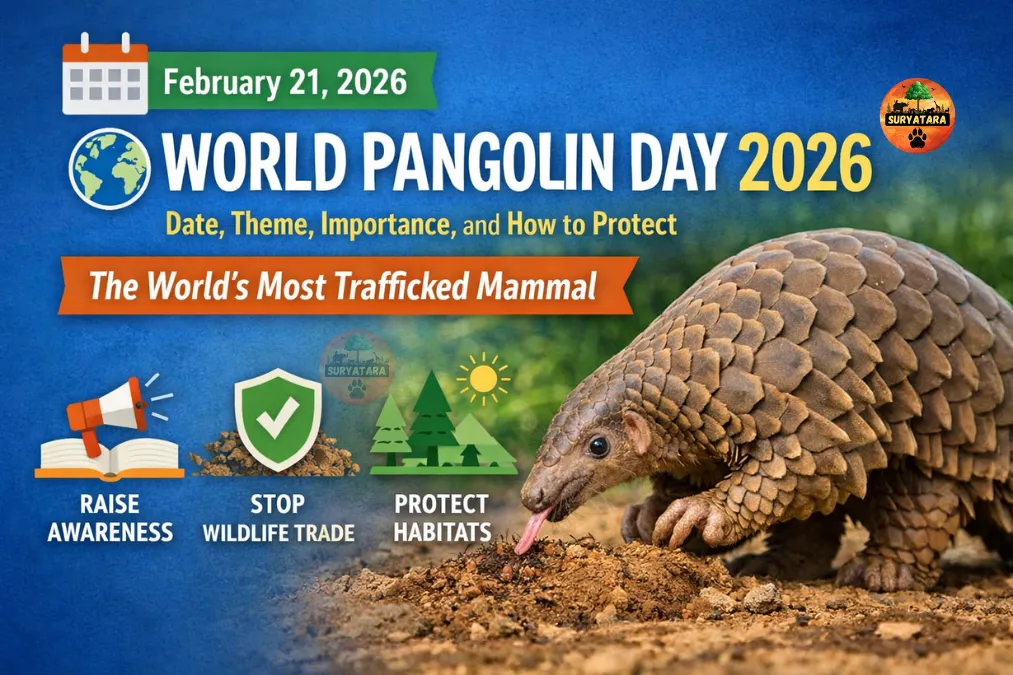
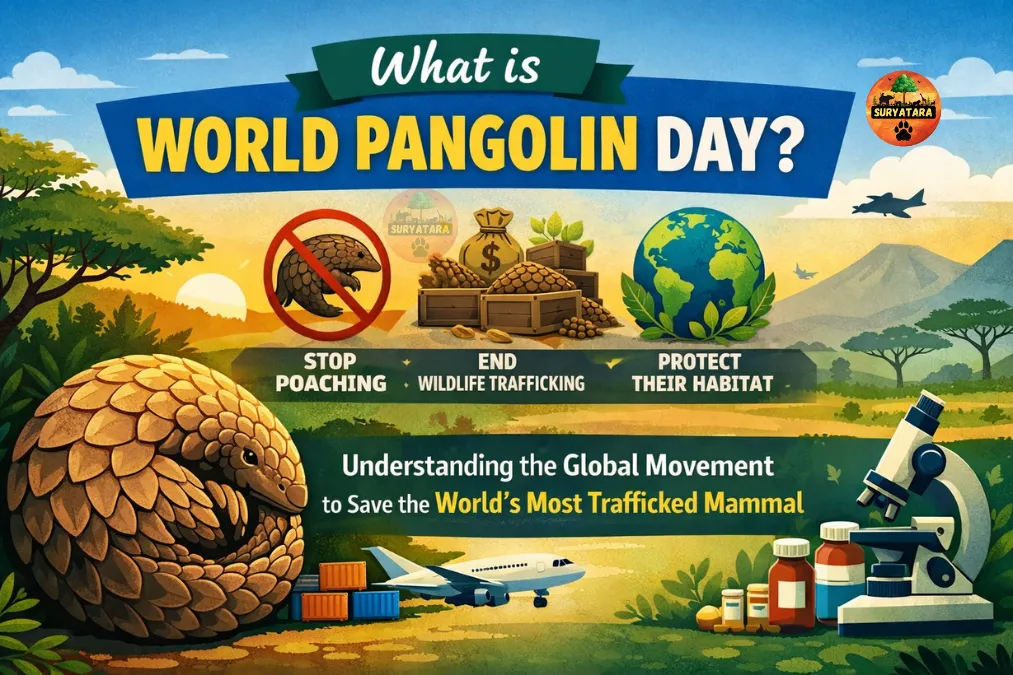
World Pangolin Day is an annual international awareness event dedicated to protecting pangolins — shy, scale-covered mammals that are widely recognised as the most trafficked wild animals on Earth. The day highlights the urgent need to end illegal poaching, stop wildlife trafficking, protect natural habitats, and promote sustainable conservation efforts for these extraordinary creatures.
Despite their ecological importance, pangolins face severe threats primarily driven by human activity. Habitat destruction, illegal hunting, and global wildlife trafficking networks have pushed multiple species toward extinction. World Pangolin Day exists to reverse that trajectory — by raising awareness, influencing policy, encouraging ethical alternatives to wildlife-based medicine, and mobilising global communities to act.
This in-depth report explores the origins of World Pangolin Day, why pangolins are endangered, how trafficking networks operate, and what individuals around the world can do to support conservation efforts.
When Is World Pangolin Day Celebrated?
World Pangolin Day is observed annually on the third Saturday of February.
The initiative was first launched in 2012 by conservation groups determined to spotlight the escalating crisis facing pangolins. Since then, the day has gained global recognition, with participation from wildlife organisations, environmental NGOs, educational institutions, and individual advocates across Africa, Asia, Europe, North America, and beyond.
Because it takes place every February, World Pangolin Day provides a consistent moment each year to refocus global attention on wildlife trafficking and biodiversity loss — issues that are increasingly urgent in the face of climate change and expanding human development.
Why Pangolins Matter: The Ecological Role of Nature’s Silent Guardians
Pangolins may not roar like lions or tower like elephants, but their ecological impact is immense. Often described as “scaly anteaters,” these nocturnal mammals play a vital role in maintaining ecosystem balance.
Natural Pest Controllers
A single pangolin can consume up to 70 million insects per year, primarily ants and termites. By regulating insect populations, pangolins help:
- Protect crops and forests from pest damage
- Improve soil quality through natural aeration
- Maintain ecological balance within their habitats
Their feeding habits reduce the need for chemical pesticides in some areas, indirectly benefiting agricultural systems and surrounding wildlife.
Without pangolins, insect populations could increase dramatically, leading to ecosystem instability and agricultural disruption.
The Illegal Poaching Crisis
At the heart of World Pangolin Day lies one uncomfortable truth: humans are the greatest threat to pangolins.
Pangolins are hunted and trafficked primarily for two reasons:
- Their scales
- Their meat
Demand for Scales
Pangolin scales are widely used in some traditional medicine practices, particularly in parts of Asia. They are believed — without scientific evidence — to have healing properties for conditions ranging from inflammation to circulation disorders.
However, modern medical research has found no verified therapeutic benefit from pangolin scales. They are composed of keratin — the same material found in human fingernails and hair. There is no scientifically proven medicinal value in consuming keratin.
Despite this, demand continues to fuel a black-market industry that spans continents.
Demand for Meat
In certain regions, pangolin meat is considered a delicacy or status symbol. This additional demand intensifies hunting pressure, especially in parts of Africa and Asia.
The Scale of the Problem
Conservation data suggests that millions of pangolins have been killed over recent decades. In Africa alone, poachers are believed to kill up to 2.7 million pangolins annually in some estimates.
This staggering number makes pangolins the most heavily trafficked mammals in the world.
Although all eight pangolin species are protected under national and international laws — including bans on international commercial trade — illegal trafficking networks remain active. Criminal syndicates exploit weak enforcement, poverty, and high market demand to continue the trade.
Wildlife trafficking is not only a conservation issue but also a global crime problem, often linked to organised criminal groups that also engage in arms and narcotics trafficking.
The Eight Pangolin Species
There are eight recognised species of pangolin distributed across Africa and Asia:
- Philippine Pangolin
- Sunda Pangolin
- Chinese Pangolin
- Indian Pangolin
- Temminck’s Pangolin
- White-bellied Pangolin
- Black-bellied Pangolin
- Giant Ground Pangolin
According to the International Union for Conservation of Nature (IUCN), six of these species are currently classified as Endangered or Critically Endangered on the Red List of Threatened Species.
This classification means they face an extremely high risk of extinction in the wild.
Why Pangolins Are Endangered
Beyond poaching, several biological and environmental factors make pangolins especially vulnerable.
Slow Reproduction
Pangolins reproduce slowly. Most species give birth to just one offspring per year, occasionally two.
This low reproductive rate means that when populations are heavily reduced by poaching, recovery becomes extremely difficult.
Unlike animals that produce large litters multiple times a year, pangolins cannot quickly rebuild their numbers.
Extended Maternal Care
Pangolin mothers are highly protective. Babies remain dependent on their mothers for up to one or two years, depending on the species.
At birth, pangolin scales are soft and pale, offering little protection. During this period, young pangolins are especially vulnerable to predators and human interference.
Because juveniles depend on maternal care for extended periods, the loss of adult females due to poaching has long-term impacts on population sustainability.
The Pangolin’s Unique Defense Mechanism
One of the most fascinating facts about pangolins relates to their name.
The word “pangolin” comes from the Malay term “penggulung,” meaning “one who rolls up.”
When threatened, a pangolin curls into a tight ball, protecting its soft underbelly beneath a layer of overlapping keratin scales. This defence mechanism is remarkably effective against natural predators like lions and leopards.
Unfortunately, it offers little protection against human hunters.
When approached by poachers, pangolins instinctively roll into a ball, making them easy to collect and transport.
Keratin: The Science Behind Pangolin Scales
Pangolin scales are composed entirely of keratin — the same structural protein found in human nails, hair, and rhinoceros horns.
These scales grow continuously throughout a pangolin’s life and serve as natural armour against bites and scratches from predators.
Despite widespread beliefs in some traditional practices, scientific research has found no medicinal properties unique to pangolin scales.
Conservation campaigns tied to World Pangolin Day often emphasise this fact in order to reduce consumer demand and promote plant-based or synthetic alternatives in traditional medicine.
Habitat and Survival Strategies
Pangolins inhabit a variety of environments, including:
- Tropical forests
- Savannas
- Grasslands
- Agricultural landscapes
To protect their young and themselves, pangolins dig elaborate burrow systems. These underground tunnels may feature multiple concealed entrances, allowing escape from predators.
Some species also use hollow trees as temporary shelters while foraging.
However, habitat destruction due to agriculture, logging, and urban expansion further threatens their survival. As forests shrink, pangolins lose both food sources and safe nesting sites.
The Global Legal Framework
Internationally, pangolins are protected under agreements that prohibit commercial trade. Yet enforcement remains inconsistent in some regions.
Wildlife trafficking networks often operate across borders, exploiting loopholes in regulation and weak monitoring systems.
World Pangolin Day not only raises awareness among the public but also pressures governments to strengthen enforcement, invest in conservation programmes, and support anti-poaching initiatives.
How World Pangolin Day Is Observed
Across the globe, organisations mark World Pangolin Day through:
- Educational campaigns
- School programmes
- Social media awareness drives
- Fundraising for conservation groups
- Community outreach events
- Documentary screenings
- Advocacy for wildlife policy reform
The hashtag #WorldPangolinDay trends each February as conservationists encourage people to share facts, photos, and messages supporting pangolin protection.
How You Can Take Part
If you are asking, “What is World Pangolin Day and how can I get involved?” the answer is simple: awareness leads to action.
Here are ways individuals can contribute:
1. Share Information
Use social media platforms to spread accurate information about pangolins and the threats they face.
2. Support Conservation Organisations
Donate to reputable wildlife conservation charities working in Africa and Asia to protect pangolin habitats and combat trafficking.
3. Advocate for Plant-Based Alternatives
Support initiatives promoting plant-based substitutes in traditional medicine, reducing demand for wildlife products.
4. Avoid Wildlife Products
Refuse to purchase or consume products made from endangered species.
5. Educate Others
Discuss wildlife trafficking issues within your community. Increased public awareness reduces market demand.
Why Global Awareness Matters
Wildlife trafficking is a multi-billion-dollar criminal enterprise. Combating it requires:
- Public education
- Strong law enforcement
- International cooperation
- Cultural shifts in consumption practices
World Pangolin Day provides a focused annual opportunity to unite these efforts.
The Future of Pangolins
The survival of pangolins depends on sustained global commitment.
Encouragingly, awareness is growing. Governments are strengthening anti-trafficking laws. Conservation organisations are improving rescue and rehabilitation programmes. Researchers are studying pangolin behaviour to develop better protection strategies.
But progress must accelerate.
If illegal demand continues at current levels, several species could disappear within decades.
Also read: International Zebra Day: Meaning, History, Importance, and How the World Protects Zebras
Conclusion: Why World Pangolin Day Matters More Than Ever
So, what is World Pangolin Day?
It is more than a date on the calendar. It is a global call to action. A reminder that even the quietest creatures play indispensable roles in our ecosystems.
Pangolins may be shy and elusive, but their survival reflects the health of our planet’s biodiversity. Protecting them means confronting illegal wildlife trade, challenging unproven medical practices, supporting sustainable conservation, and safeguarding habitats.
Every February, World Pangolin Day invites the world to choose protection over exploitation.
Because if we fail to act, the world’s most trafficked mammal could become one of its most tragic losses.
And that is a future conservationists are determined to prevent.