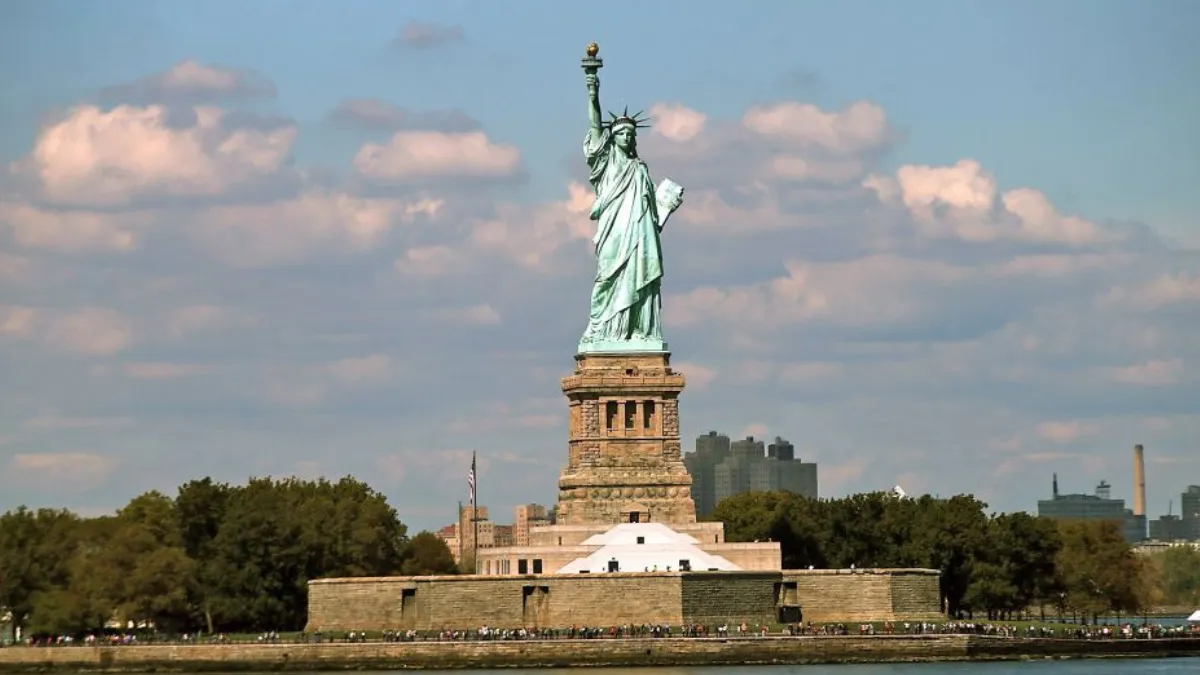
Statue of Liberty — this iconic monument stands as one of the most powerful symbols of freedom, hope, and democracy in the world. Whether you are a traveler planning your first visit, a history enthusiast, or a student researching American landmarks, understanding the story of the Statue of Liberty can deepen your appreciation of this global treasure.
Understanding the Legacy of the Statue of Liberty
The Statue of Liberty is more than just a beautifully sculpted monument; it represents a universal message of liberty and the enduring friendship between nations. Gifted by France to the United States in 1886, it continues to inspire millions of visitors each year. With its torch lifted high and eyes facing forward, Lady Liberty welcomes people to New York Harbor — especially immigrants who once saw her as a sign of a new beginning.
Key Details About the Statue of Liberty
Here is a clean and informative table summarizing the most important details:
| Aspect | Information |
|---|---|
| Location | Liberty Island, New York Harbor, USA |
| Height | 305 feet (including pedestal) |
| Designer | Frédéric Auguste Bartholdi |
| Metal Framework Engineer | Gustave Eiffel |
| Material | Copper on iron framework |
| Year of Dedication | 1886 |
| Official Name | Liberty Enlightening the World |
| Accessibility | Ferry service from Battery Park (NY) & Liberty State Park (NJ) |
| Managed By | National Park Service (NPS) |
History of the Statue of Liberty
The idea behind the Statue of Liberty began with French historian Édouard René de Laboulaye, who wanted to honor America’s independence and promote shared democratic values. Sculptor Frédéric Auguste Bartholdi took on the project, creating a monumental figure inspired by Roman goddesses symbolizing freedom.
Construction took place in France, where the statue was assembled, disassembled, and shipped in more than 200 crates to the United States. Gustave Eiffel designed the internal metal framework, which allowed the copper sheets to stand firmly and flex with the winds of New York Harbor.
On October 28, 1886, President Grover Cleveland officially dedicated the Statue of Liberty, marking the beginning of its legacy as a global beacon of hope.
Why the Statue of Liberty Is So Important
The Statue of Liberty holds deep symbolic meaning, which makes it one of the most recognizable monuments worldwide:
- Symbol of Freedom: The torch represents enlightenment and the path to liberty.
- A Welcome to Immigrants: In the late 19th and early 20th centuries, millions of immigrants arriving through Ellis Island saw Lady Liberty as the first sign of America.
- Cultural Icon: It appears in literature, movies, documentaries, and art.
- Historical Landmark: In 1984, it became a UNESCO World Heritage Site.
Statue of Liberty Visiting Guide (Expert Tips)
Planning a visit? Here are tips that make your experience smoother and more memorable:
Statue of Liberty Ferry Tips
- Ferries depart from Battery Park in New York and Liberty State Park in New Jersey.
- Arrive at least 1 hour early during peak seasons.
- Security screening is mandatory before boarding.
Pedestal and Crown Access
- Pedestal tickets offer great views and include museum access.
- Crown tickets are limited, require advanced booking, and involve climbing narrow stairs, so plan ahead.
Museum Experience
The Statue of Liberty Museum showcases:
- The original torch
- Immersive exhibits
- Artifacts from the construction period
Best Time to Visit
Early morning ferries help you avoid long lines and give you spectacular photo opportunities.
Architecture and Design
The Statue of Liberty is a masterpiece of both artistic creativity and engineering genius. The copper exterior was originally a shiny reddish-brown, but it naturally developed a green patina over time, which actually protects the metal.
The torch, held 305 feet above ground, symbolizes enlightenment and guides people toward freedom. The broken chains at her feet represent the end of oppression.
Statue of Liberty: A Subheading Featuring the Focus Keyword
Statue of Liberty Facts That Many People Don’t Know
- The statue sways slightly in strong wind — up to 3 inches.
- The torch itself is not accessible to the public since 1916.
- The full structure weighs around 225 tons.
- The tablet she holds is inscribed with the date July 4, 1776, the day of America’s independence.
- The seven rays on her crown represent the seven continents and seven seas, symbolizing universal liberty.
Also read: Gujarat Vandana Museum: A Grand Cultural Landmark Rising Near the Statue of Unity
Conclusion
The Statue of Liberty remains one of the most powerful symbols of freedom ever created. Its history, design, and message of hope continue to touch people from every corner of the world. Whether you view it from afar, stand on Liberty Island, or explore its museum, the monument offers an unforgettable experience rooted in rich heritage and human aspiration.
If you are planning a trip or simply exploring its history, the Statue of Liberty is a monument that truly deserves your attention — a timeless reminder of what humanity can achieve when united by the ideals of liberty and peace.