The newly developed jambu zoo jammu, located in Khanpur, Nagrota, is rapidly transforming into one of North India’s most impressive wildlife attractions. Spread across an expansive landscape and designed to meet international standards, the zoo is home to an extraordinary collection of species—including the majestic Royal Bengal Tiger and the rare Asiatic Lion—along with several upcoming facilities that promise to elevate the visitor experience
Officials have revealed that the zoo currently houses 27 prominent species of wildlife, making it not only the largest zoological destination in North India but also a major eco-tourism landmark for Jammu and Kashmir.
A Major Step Forward for Jammu’s Tourism Landscape
During a recent inspection, Chief Secretary Arun Kumar Mehta visited the construction site of the jambu zoo jammu and directed authorities to accelerate the development of internal roads and complete the blacktopping work. These improvements were essential to make the zoo accessible and fully operational. Following the completion of these upgrades, the zoo has now been opened to the public, marking an important milestone for Jammu’s tourism sector.
Chief Wildlife Warden Suresh Kumar emphasized the significance of the project, stating that the entire development—spread across 163.40 hectares—is a remarkable achievement for the region. The vast scale of the zoo ensures that animals have enriched, spacious enclosures designed to mimic their natural habitats, offering both comfort for the wildlife and an immersive experience for visitors.
Reviving a Project Once Halted Due to Funding Gaps
Officials disclosed that the jambu zoo jammu project initially faced several delays due to financial constraints. For a period, work came to a complete halt, raising concerns about the future of the ambitious development. However, in 2019, the government revived the project with renewed funding and commitment. Since then, the construction and planning have progressed at a steady pace, eventually leading to its successful completion.
With infrastructure improvements now in place, the region’s long-awaited zoo has finally become a reality, fulfilling a vision that had been years in the making.
A Tribute to the City’s Historic Founder
Named after Raja Jambu Lochan, the legendary founder of Jammu city, the jambu zoo jammu incorporates several artistic and symbolic features that reflect local history and culture. One of the standout attractions inside the zoo is an artificial waterfall, built to enhance both the aesthetic appeal and the naturalistic environment of the enclosures.
The zoo’s impressive wildlife collection includes:
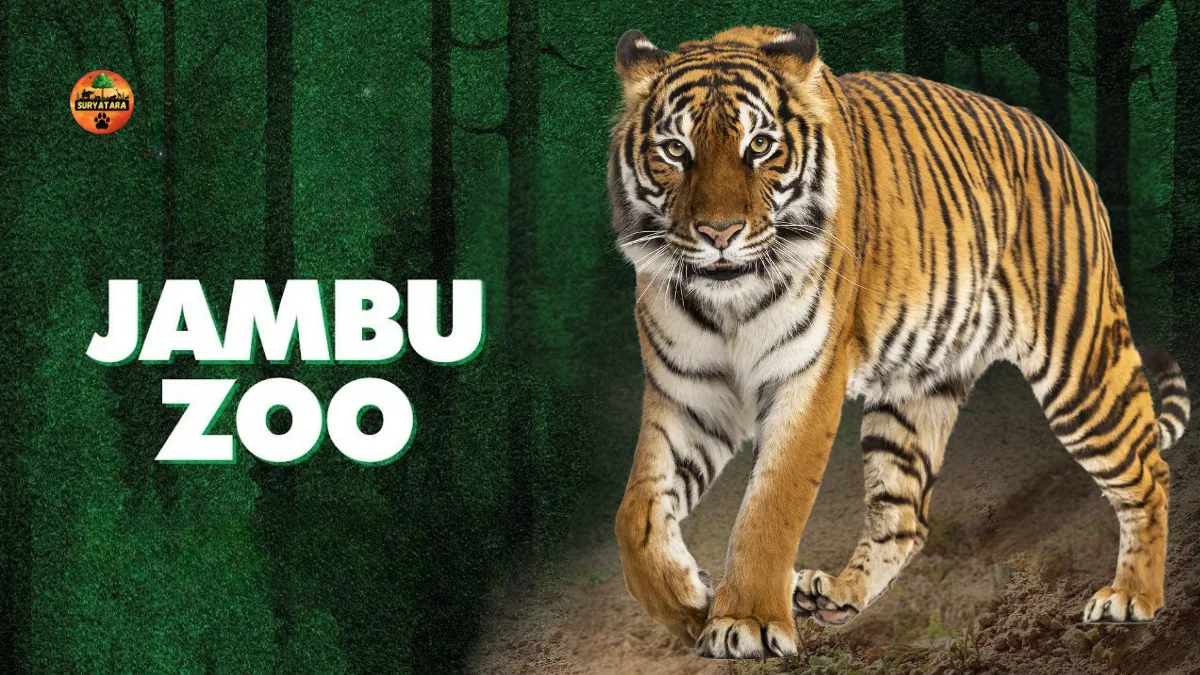
- Royal Bengal Tigers
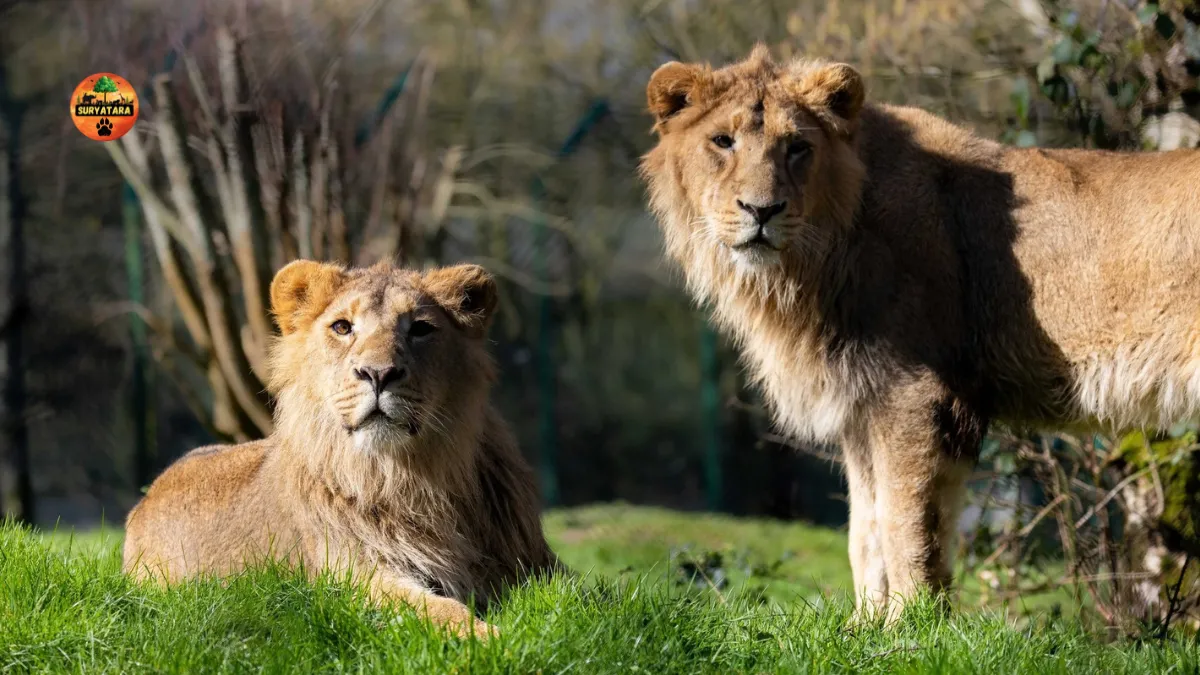
- Asiatic Lions
- Leopards
- Sloth Bears
- Mugger Crocodiles
- Gharials
- Sambar Deer
- And many other notable species
In total, 27 species form part of the current exhibit list, with plans to expand the number as new habitats are developed.
Advanced Reptile Chambers and Specialty Enclosures
One of the major highlights of the jambu zoo jammu is its upcoming reptile chambers, which will showcase a range of venomous and non-venomous snakes. These temperature-regulated enclosures are expected to be a major educational attraction, particularly for students, researchers, and wildlife enthusiasts.
In addition to reptiles, the zoo is planning to introduce:
- A Nocturnal Animal House, where visitors can observe species that are active at night
- A Butterfly Park, designed to support and display various colorful butterfly species
- Spacious enclosures that replicate forest, wetland, and grassland ecosystems
These additions aim to create a more dynamic, interactive wildlife experience.
Entertainment and Activities for Visitors
To ensure that the zoo appeals to families and tourists of all ages, several recreational facilities are being integrated into the master plan. These include:
- A children’s amusement park
- An open-air amphitheater for cultural events and wildlife education programs
- Scenic walking paths and shaded rest areas
Visitors will also be able to explore the zoo using battery-operated cars and bicycles, making it easier to cover the vast area even during peak seasons. According to officials, these eco-friendly mobility solutions will significantly improve the visitor experience and attract both domestic and international tourists.
A Massive 625-Acre Environmental Tourism Hub
Officials highlighted that the entire zoo project covers 625 acres, making it one of the most extensive wildlife facilities in India. To accommodate the large number of tourists expected in the future, the authorities have developed multiple public amenities, including:
- A tourist information center
- Ample vehicle parking space
- A modern cafeteria
- Clean restrooms and drinking water points
- Shaded seating areas and first-aid stations
These public facilities have been designed to ensure comfort and convenience, especially for families, school groups, and elderly visitors.
A Vision of Global Eco-Tourism and Wildlife Conservation
While the jambu zoo jammu is undoubtedly a major tourist attraction, officials stressed that its core purpose extends far beyond recreation. The project has been created to support long-term wildlife conservation and education initiatives.
Its key objectives include:
- Promoting international eco-tourism
- Advancing research and studies on wildlife behavior and habitat conservation
- Offering rescue and rehabilitation support for injured or displaced animals
- Helping reduce human–wildlife conflict in surrounding regions
- Educating the public about biodiversity, sustainability, and environmental protection
The authorities believe that the zoo will soon emerge as a prominent research center for wildlife biology and conservation studies in North India.
Funding and Approval from Central Zoo Authority
The ambitious jambu zoo jammu project was sanctioned at a cost of ₹121 crore. The concept plan received formal approval from the Central Zoo Authority of India (CZA) in 2016. Since then, multiple phases of construction, planning, and review have shaped the zoo into its current form.
The government’s renewed focus on upgrading tourism and environmental infrastructure in Jammu has played a critical role in pushing the project toward completion.
Also read: Lion Safari Park Rajkot: Gujarat’s Premier Urban Wildlife Destination Set to Open in 2026
A New Wildlife Landmark for North India
With its grand design, diverse species, and conservation-oriented mission, the jambu zoo jammu is poised to become one of India’s premier wildlife destinations. As the zoo continues to expand with new attractions like the Butterfly Park, Reptile House, and Nocturnal Habitat, it promises to offer visitors a rare, world-class experience right in the heart of Jammu.