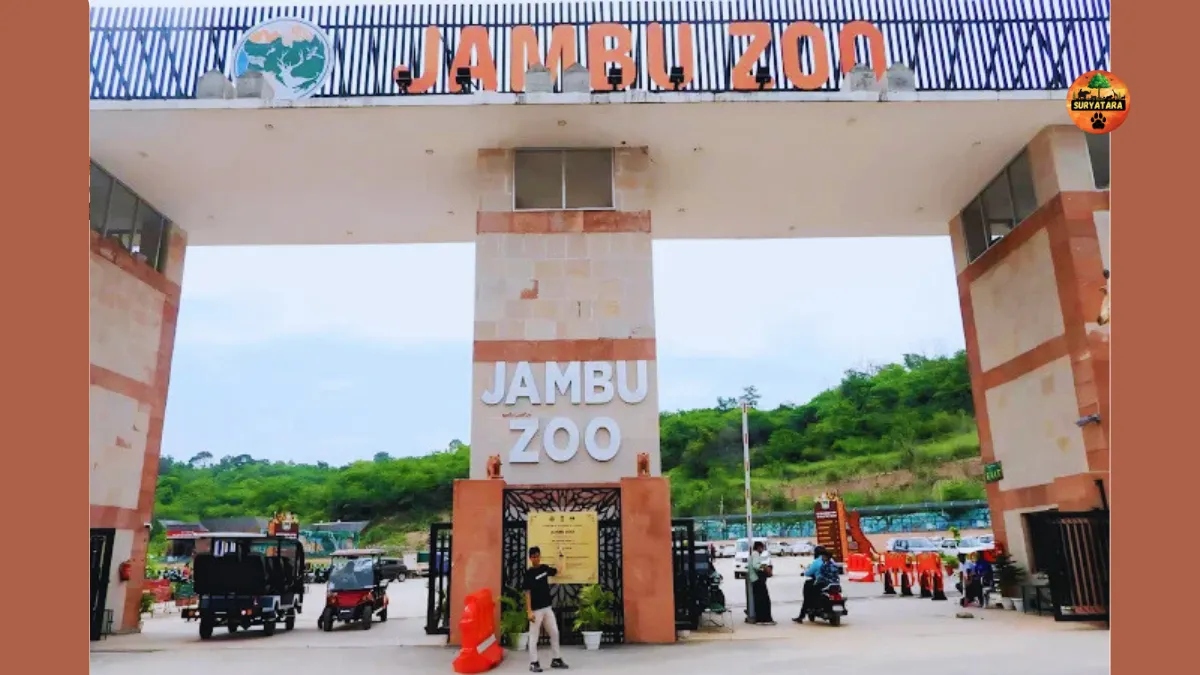
Jambu Zoo: Herbivore Safari, Fossil Park, Modern Visitor Zones and a Fully Upgraded Manda Rescue Centre to Redefine Jammu’s Conservation Landscape
In a major step toward reshaping the future of wildlife conservation and eco-tourism in Jammu, authorities have finalized an ambitious 20-year Master Plan that aims to elevate Jambu Zoo into one of North India’s most advanced zoological, ecological and educational destinations. Alongside this transformative roadmap, the Government is preparing for a comprehensive modernization of the Manda Rescue Centre, which will be developed into a state-of-the-art facility for wildlife treatment, rehabilitation, research and conservation support.
Together, these two initiatives mark one of the most significant conservation-focused developments in the region’s history. Officials believe the combined projects will not only redefine the wildlife experience for visitors but also position Jammu as a major hub for scientific research, habitat conservation and sustainable tourism over the next two decades.
A Vision for 2025–2044: Turning Jambu Zoo into a World-Class Wildlife Experience
According to official sources, the newly drafted Master Plan (2025–2044) envisions Jambu Zoo as a premier zoological park where conservation, environmental education and nature-based recreation operate in perfect synergy. Built on modern design principles and supported by cutting-edge technology, the plan aims to create a wildlife destination that offers immersive experiences while strengthening Jammu’s ecological footprint.
The Master Plan represents a forward-looking strategy meant to guide wildlife management, visitor engagement and sustainable development across 20 years. Officials familiar with the project describe it as a “transformational blueprint” that will dramatically expand the zoo’s size, attractions and conservation capabilities.

Major Additions: New Attractions Designed for Education, Adventure and Ecological Awareness
The proposed developments include a series of new features designed to enrich the visitor experience and promote deeper connections with nature. Among the key additions outlined in the Master Plan are:
1. Herbivore Safari
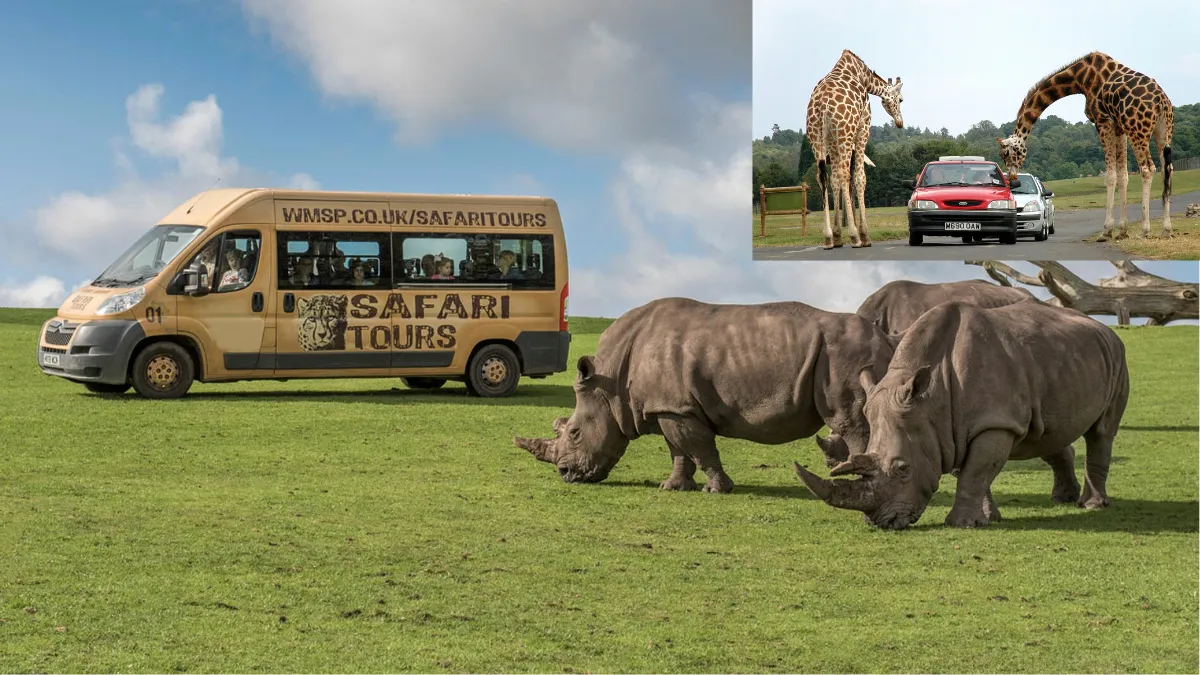
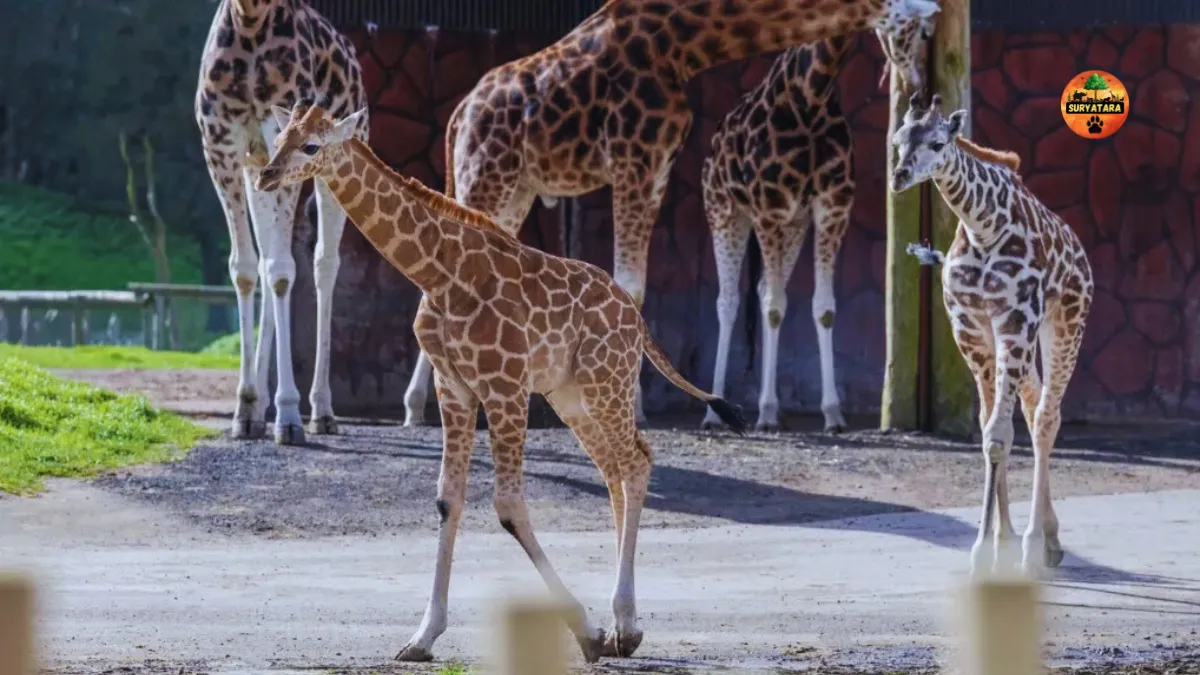
A flagship attraction, the Herbivore Safari will offer guided tours through expansive semi-natural landscapes where native herbivore species can move freely. Modeled after popular safari experiences worldwide, the zone aims to provide visitors with a more authentic and intimate understanding of wildlife behavior, habitat needs and ecological balance.
2. Walk-Through Aviary
The Master Plan proposes a large, immersive aviary where guests can walk among multiple bird species housed in naturalistic environments. This experience is expected to be a major draw for families and bird enthusiasts, offering close views of diverse avian species without compromising ethical design standards.
3. Butterfly Park
With vibrant butterfly species native to the Himalayan foothills and surrounding regions, the Butterfly Park is intended to serve as an educational exhibit spotlighting pollinators, plant diversity and ecological interdependence. The park will double as a conservation space supporting the breeding and protection of rare butterfly species.
4. Fossil Park
One of the most exciting additions is the Fossil Park, which will showcase prehistoric life, ancient geological formations and the evolutionary history of the region. Designed to appeal to both children and researchers, the Fossil Park strengthens the zoo’s identity as a hub for natural history education.
5. AR/VR Interpretation Zones
To engage younger audiences and modern learners, the Master Plan includes advanced AR/VR interpretation areas. These interactive zones will merge digital technology with wildlife education, creating immersive storytelling modules on biodiversity, climate change, endangered species and conservation challenges.
In addition to these new attractions, Jambu Zoo will also see expanded animal enclosures, visitor-friendly pathways, modernized signage, battery-operated transportation options and upgraded accessibility features for inclusive tourism.
Focus on Endangered Species and Western Shivalik Biodiversity
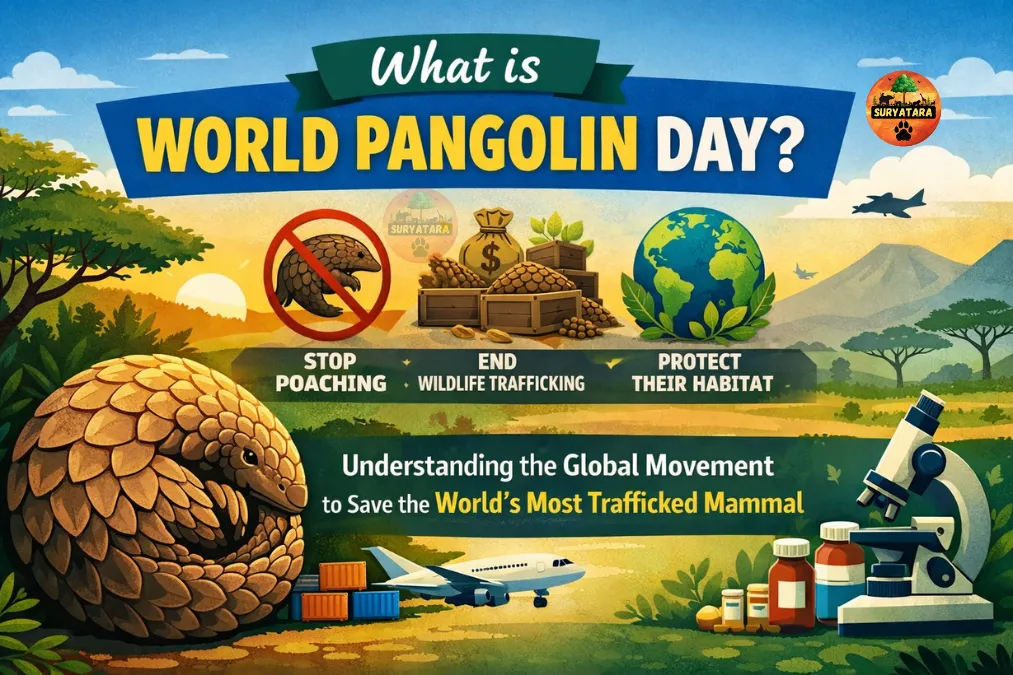
A major thrust of the 20-year Master Plan is enhanced conservation of threatened fauna, particularly species native to the Western Shivalik Himalayas. Officials highlight that special focus will be placed on the protection and breeding of vultures, pangolins and other critically endangered species, whose populations have been drastically declining due to habitat loss, illegal wildlife trade and environmental pressures.
To support long-term species survival, the zoo will create specialized naturalistic habitats aimed at:
- Facilitating conservation breeding programmes
- Supporting veterinary care and scientific monitoring
- Preparing animals for rehabilitation and, where possible, eventual release into natural habitats
This integrated conservation strategy positions Jambu Zoo as a central hub for ex-situ conservation and scientific research in North India.
Eco-Tourism and Community-Based Development at the Core of the Strategy
Officials emphasize that the Master Plan not only focuses on wildlife conservation but also aligns with broader sustainable development goals. Local communities around Nagrota and the greater Jammu region are expected to benefit from new livelihood opportunities created through eco-tourism.
Several services will be outsourced to local residents, including:
- Canteen operations
- Battery-operated vehicle services
- Bicycle rentals and nature trail guidance
- Eco-guide training and visitor support roles
- Souvenir shops and visitor information kiosks
This approach ensures that the growth of Jambu Zoo contributes to community development while reinforcing principles of responsible and inclusive tourism.
Manda Rescue Centre to Become a Fully Equipped Wildlife Rehabilitation Hub
One of the central pillars of the Master Plan is the comprehensive overhaul of the Manda Rescue Centre, which holds a critical role in the region’s wildlife protection ecosystem. The facility, currently managing rescued, injured and orphaned wildlife, will be expanded and upgraded into a fully equipped Rescue, Rehabilitation and Conservation Support Centre.
Once modernized, the centre will function as:
1. A Regional Treatment and Care Facility
It will house advanced veterinary units, enabling on-site medical intervention for a wide range of injury and trauma cases involving wild animals.
2. A Wildlife Rehabilitation and Release Centre
Animals rescued from conflict zones, road accidents or poaching attempts will receive structured care, with the goal of returning them to natural habitats whenever feasible.
3. A Conservation Breeding Support System
The centre will support targeted breeding programmes for endangered species, working closely with Jambu Zoo and forest authorities.
4. A Public Outreach Hub
Awareness campaigns addressing human-animal conflict, wildlife protection laws and biodiversity conservation will form an integral part of the centre’s activities.
Aligned with Central Zoo Authority (CZA) guidelines, the Manda facility will play a crucial role in Jammu’s wildlife management network, coordinating closely with protected areas, forest divisions and Jambu Zoo.
Also read: How to Reach and Check Pradyuman Zoological Park Tickets Timings in Rajkot
A New Era for Wildlife Research, Education and Public Engagement
Both Jambu Zoo and the upgraded Manda Rescue Centre are expected to evolve into major research, training and educational institutions in North India. Officials highlight that the upcoming expansions will facilitate:
- Habitat management research
- Species-specific conservation studies
- Creation of a local biodiversity database
- Public training programmes for conservation volunteers
- Student and researcher engagement from universities and scientific institutions
These steps will not only strengthen scientific understanding of regional biodiversity but also enhance public participation in environmental stewardship.
Positioning Jammu Among North India’s Leading Eco-Tourism and Conservation Destinations
Once completed, the extensive Master Plan is expected to transform Jambu Zoo and the Manda Rescue Centre into standout attractions, capable of drawing significantly higher visitor inflows and boosting Jammu’s tourism sector.
Officials note that the project’s blend of:
- Conservation science
- Modern wildlife attractions
- Sustainable tourism practices
- Community involvement
- Advanced educational tools
will mark the beginning of a new chapter in Jammu’s environmental progress.
With its multi-layered approach, the initiative aims to strike the perfect balance between ecological protection, public awareness and tourism development. For the Jammu region—and for wildlife enthusiasts across India—the next twenty years promise a landmark transformation anchored around the evolving landscape of Jambu Zoo, the pride of Nagrota.