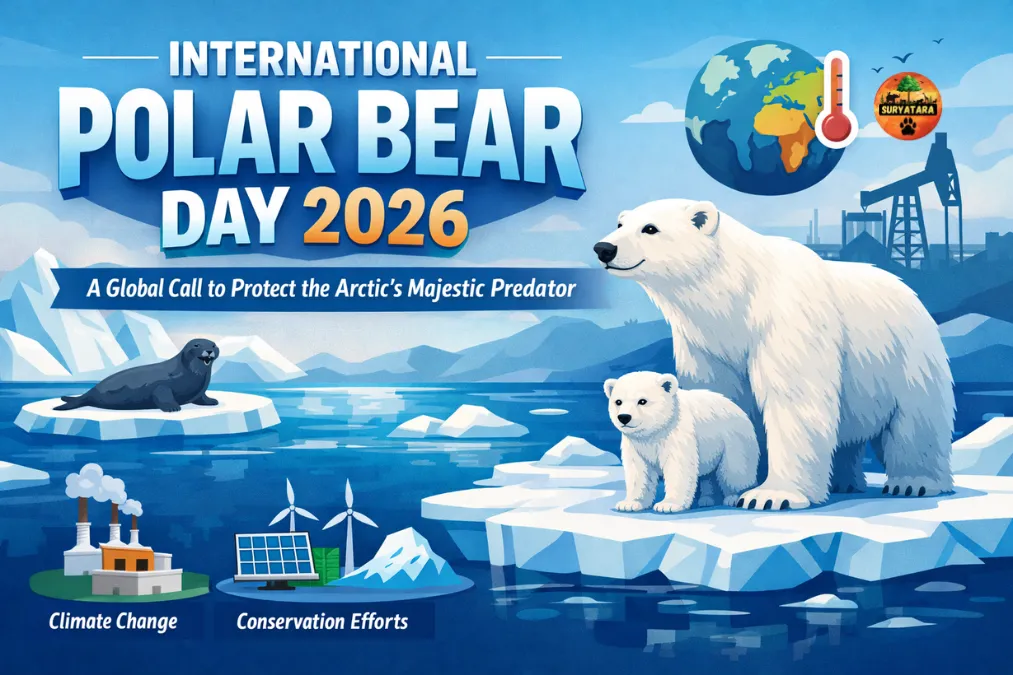
International Polar Bear Day 2026 is observed every year on February 27 to raise awareness about the survival challenges faced by polar bears and the urgent need to protect their Arctic habitat. This important day reminds people around the world that climate change is not just a theory but a reality that directly affects wildlife, especially the polar bear, one of the most iconic animals on Earth.
Organized by conservation groups and supported by wildlife lovers worldwide, International Polar Bear Day encourages individuals, communities, and governments to take action to reduce carbon emissions and support environmental protection. The day is not only about celebrating these magnificent animals but also about understanding the serious threats they face in a rapidly warming world.
Why International Polar Bear Day Matters
International Polar Bear Day matters because polar bears depend almost entirely on sea ice for survival. As Arctic temperatures rise, sea ice melts earlier in spring and forms later in winter. This change reduces the time polar bears have to hunt their primary prey, seals. Without enough food, polar bears struggle to build the fat reserves they need to survive.
The Arctic is warming at a rate nearly four times faster than the global average. This alarming fact makes International Polar Bear Day even more important. It serves as a strong reminder that human activities, especially the burning of fossil fuels, have a direct impact on wildlife thousands of miles away.
By observing International Polar Bear Day, people can learn about the link between everyday actions and environmental consequences. Simple choices such as saving energy, reducing waste, and supporting clean energy can make a difference over time.
What Is International Polar Bear Day?
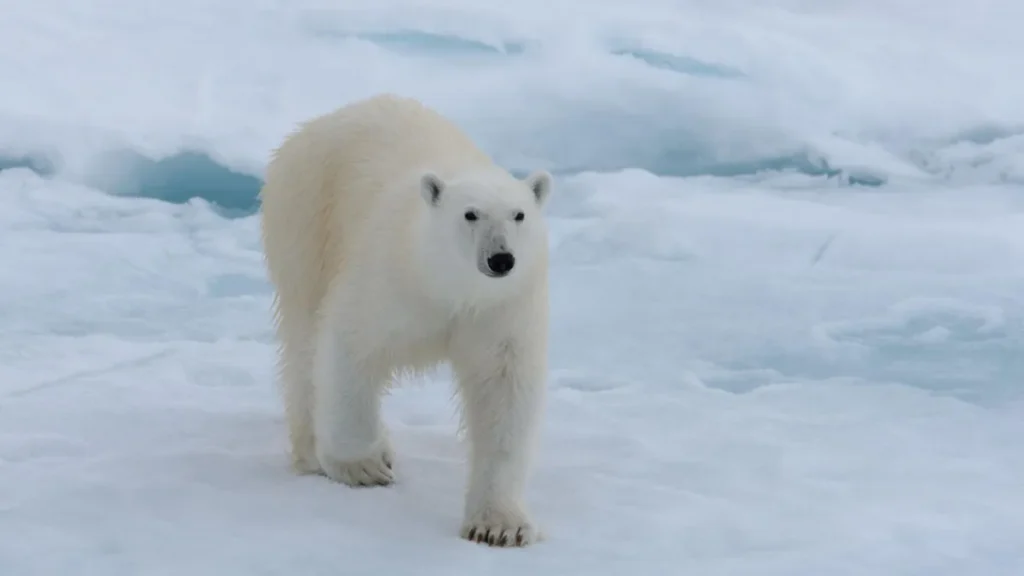
International Polar Bear Day is an annual awareness event dedicated to the conservation of polar bears and their Arctic environment. The day highlights scientific research, climate education, and practical steps people can take to reduce their carbon footprint.
The event was created by the organization Polar Bears International, a nonprofit group focused on polar bear research and conservation. The organization works with scientists, educators, and communities to spread knowledge about polar bears and climate change.
International Polar Bear Day is celebrated through school programs, online campaigns, wildlife documentaries, and public events. Many zoos and wildlife centers also use this day to educate visitors about polar bear conservation and climate action.
Understanding Polar Bears and Their Habitat
Polar bears are the largest land carnivores in the world. They are scientifically known as Ursus maritimus, which means “maritime bear.” This name reflects their close relationship with the sea.
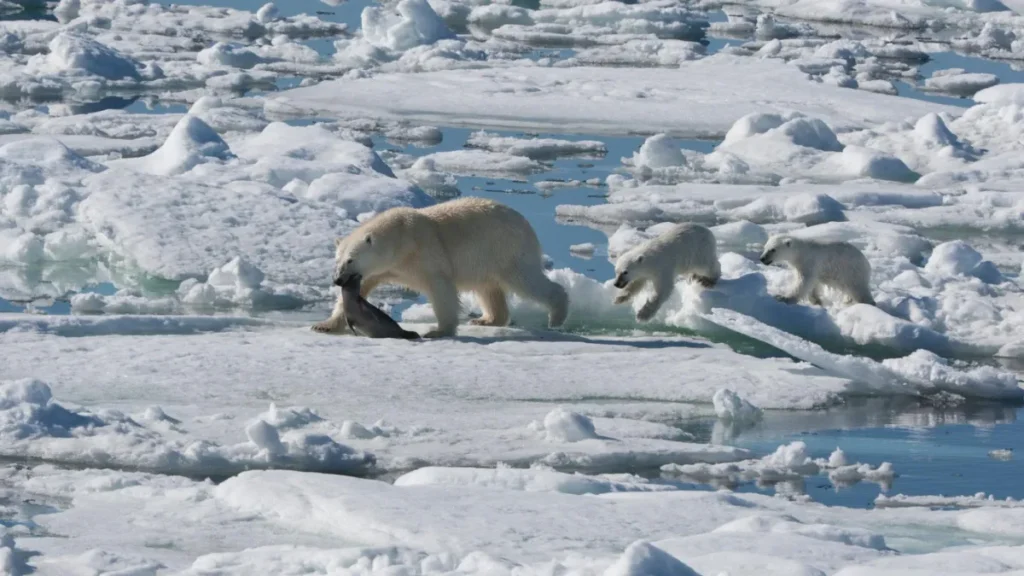
These powerful animals live in the Arctic regions of countries such as Canada, Russia, Norway, Greenland, and the United States (Alaska). Unlike other bears, polar bears rely heavily on sea ice rather than land. They use the ice as a platform to hunt seals, rest, and travel long distances.
Polar bears are excellent swimmers and can swim for many kilometers without stopping. However, swimming cannot replace sea ice. When ice melts too quickly, bears are forced to swim longer distances, which can exhaust them and reduce their chances of survival.
International Polar Bear Day helps people understand these facts and recognize that protecting sea ice is essential for protecting polar bears.
The Impact of Climate Change on Polar Bears
Climate change is the biggest threat to polar bears. As global temperatures rise, Arctic sea ice continues to shrink. This directly affects the hunting season of polar bears. With less time on the ice, bears have fewer opportunities to catch seals.
In some areas, polar bears are spending more time on land, where food sources are limited. They may scavenge for bird eggs, berries, or human waste, but these foods do not provide enough energy. As a result, many polar bears are becoming thinner and weaker.
International Polar Bear Day highlights scientific research showing that if greenhouse gas emissions continue at current levels, many polar bear populations could decline dramatically by the end of the century.
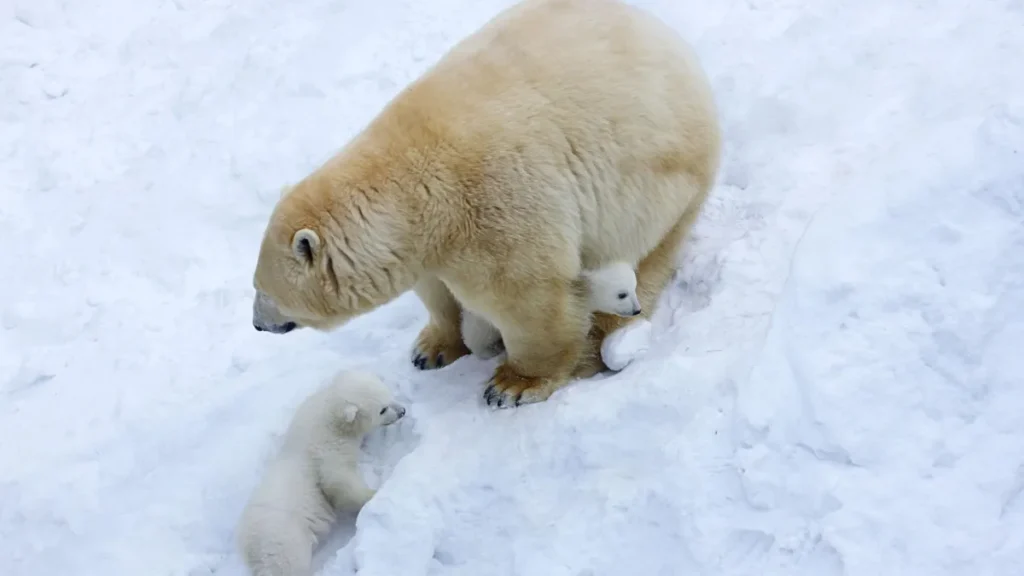
The loss of sea ice also affects polar bear mothers and cubs. Pregnant females build dens in snow to give birth during winter. Changing snow and ice conditions can make denning more difficult and reduce cub survival rates.
The Role of Polar Bears International
Polar Bears International plays a key role in organizing International Polar Bear Day and spreading awareness about polar bear conservation. The organization funds research projects, tracks polar bear populations, and supports community education programs.
One of its main goals is to inspire global action on climate change. The organization encourages people to reduce their carbon footprint by using renewable energy, driving less, and improving energy efficiency at home.
Through social media campaigns, live virtual events from the Arctic, and partnerships with scientists, Polar Bears International ensures that International Polar Bear Day reaches millions of people worldwide.
How International Polar Bear Day Is Celebrated Around the World
International Polar Bear Day is observed in many creative and meaningful ways. Schools often organize special lessons about Arctic ecosystems. Students learn about sea ice, food chains, and climate science in a simple and engaging way.
Zoos and aquariums may host talks by wildlife experts. Visitors can learn about polar bear behavior, conservation efforts, and ways to support environmental protection. Some organizations hold fundraising events to support research and habitat protection.
Online platforms also play a major role. Hashtags related to International Polar Bear Day trend on social media as people share facts, photos, and educational videos. Virtual events allow scientists to connect directly with audiences and explain current research findings.
Simple Actions You Can Take on International Polar Bear Day
International Polar Bear Day is not only about learning but also about taking action. Every individual can contribute to protecting polar bears by making small but meaningful changes in daily life.
Reducing energy use at home is a simple first step. Turning off lights when not in use, using energy-efficient appliances, and insulating homes properly can reduce carbon emissions.
Choosing public transport, cycling, or carpooling instead of driving alone helps reduce fuel consumption. Supporting renewable energy sources such as solar or wind power also makes a positive impact.
Another important action is spreading awareness. Talking to friends and family about International Polar Bear Day and the importance of climate action can create a chain reaction of positive change.
Supporting conservation organizations financially or through volunteer work is another effective way to help.
The Science Behind Polar Bear Conservation
Scientists study polar bears using satellite tracking, population surveys, and field research. These methods help experts understand migration patterns, hunting behavior, and the effects of environmental changes.
Research shows that polar bear survival is closely linked to the availability of sea ice. In areas where ice melts earlier, bears have shorter hunting seasons. This leads to lower body weight and reduced reproduction rates.
International Polar Bear Day emphasizes the importance of scientific research in guiding conservation policies. Governments and environmental organizations use scientific data to create climate strategies and wildlife protection laws.
Protecting polar bears is not only about saving one species. It also means protecting the entire Arctic ecosystem, which includes seals, fish, birds, and marine life.
Polar Bears as a Symbol of Climate Change
Over the years, polar bears have become a powerful symbol of climate change. Images of bears standing on small pieces of floating ice have touched hearts worldwide. These images represent the visible impact of global warming.
International Polar Bear Day uses this emotional connection to encourage practical action. When people see the direct effect of melting ice on polar bears, they better understand why reducing carbon emissions is urgent.
The Arctic plays a crucial role in regulating the Earth’s climate. Ice reflects sunlight back into space, helping keep the planet cool. When ice melts, darker ocean water absorbs more heat, which accelerates warming. Protecting polar bears also supports global climate stability.
Challenges Beyond Climate Change
While climate change is the main threat, polar bears also face other challenges. Oil and gas exploration in the Arctic can disturb habitats. Shipping routes are increasing as sea ice decreases, leading to more human activity in polar bear territory.
Pollution is another concern. Toxic chemicals can travel long distances through air and water and accumulate in the Arctic food chain. These pollutants can affect the health of polar bears and other wildlife.
International Polar Bear Day raises awareness about these issues as well. By addressing multiple threats together, conservation efforts become more effective.
The Future of International Polar Bear Day
International Polar Bear Day continues to grow in importance each year. As climate discussions become more urgent worldwide, this day serves as a focused moment to think about real solutions.
Future celebrations may include more virtual events, interactive educational programs, and global partnerships. Technology allows scientists to share live footage from the Arctic, making the experience more real for audiences everywhere.
The future of polar bears depends largely on global climate action. If greenhouse gas emissions are reduced significantly, scientists believe that many polar bear populations can stabilize and even recover.
International Polar Bear Day gives hope by showing that awareness and action can go hand in hand.
Also read: International Zebra Day: Meaning, History, Importance, and How the World Protects Zebras
Conclusion
International Polar Bear Day is more than just a date on the calendar. It is a powerful reminder that the survival of polar bears is closely connected to human choices. By learning about the challenges these animals face and taking meaningful action, people around the world can help protect the Arctic.
The focus keyword International Polar Bear Day represents a global movement that combines science, education, and environmental responsibility. Every small action, from saving energy to supporting conservation programs, contributes to a larger effort.
Protecting polar bears means protecting the planet. As awareness grows and more people participate in International Polar Bear Day, there is hope that future generations will continue to see these magnificent animals roaming the Arctic ice.