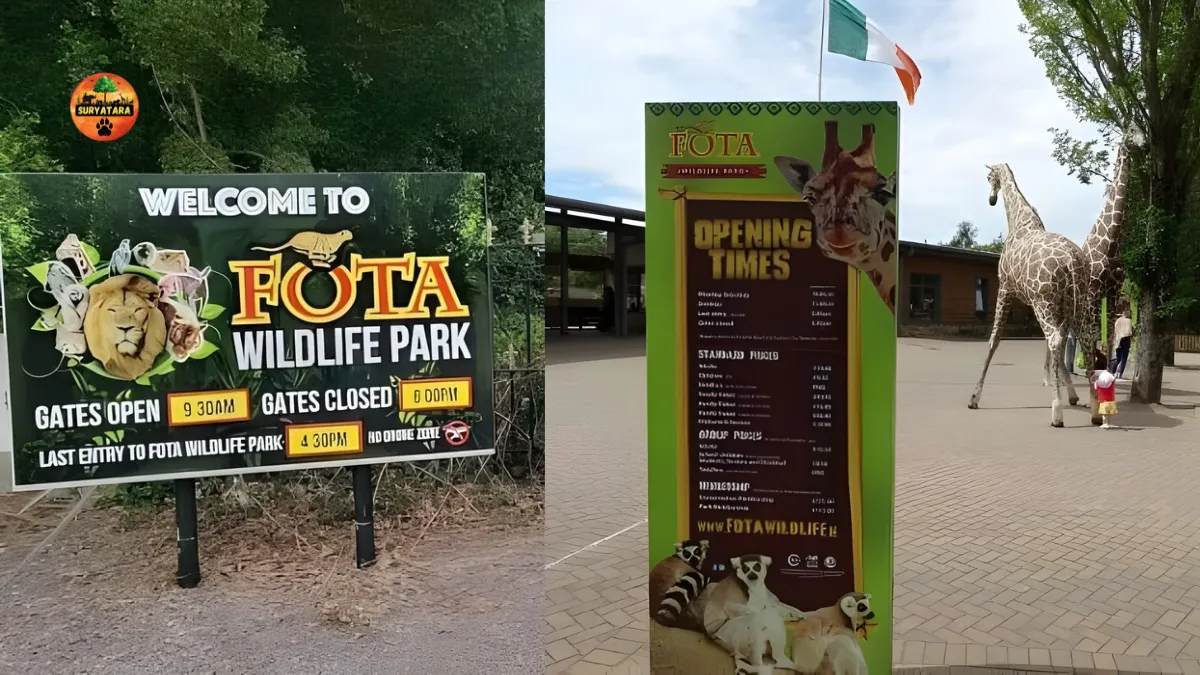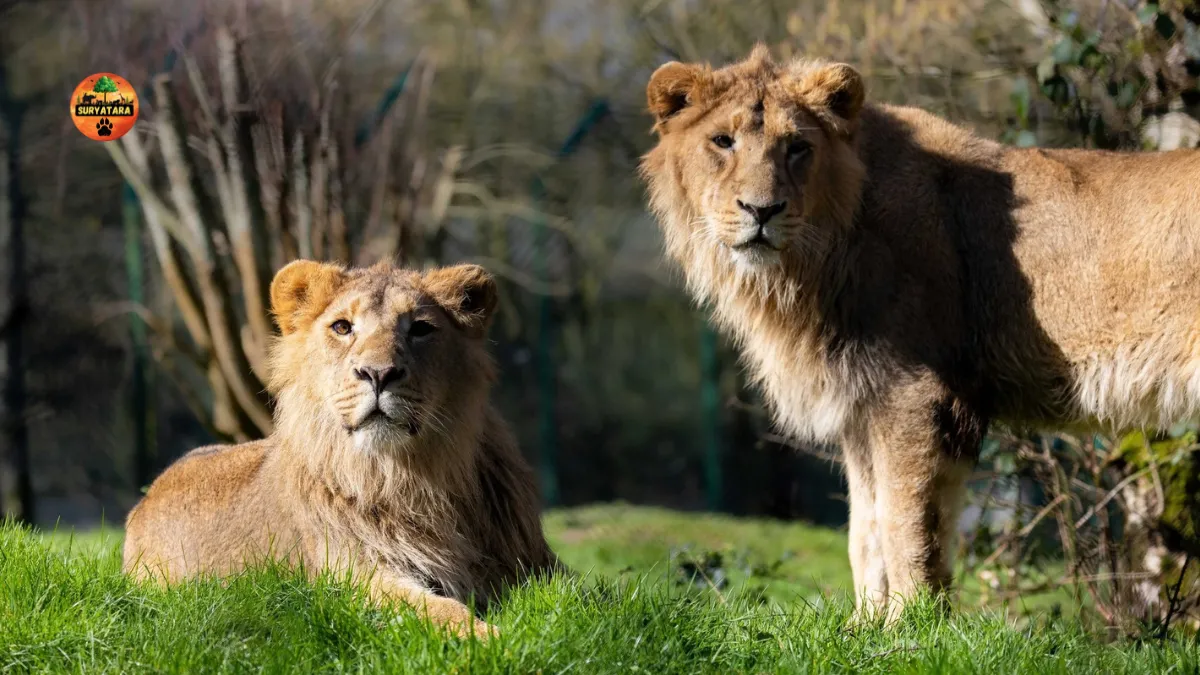
Visitors to Fota Wildlife Park will soon have a final chance to see three playful Asiatic lion cubs and a young Indian rhinoceros before they move to new homes as part of major international conservation programmes. The departures mark another significant step in the park’s ongoing role in protecting endangered species through global breeding and population management initiatives.
The trio of male Asiatic lion cubs—Theo, Rakesh, and Thor—were born in June 2024 to their mother Arya and father Yali at Fota Wildlife Park in east Cork. Since their birth, the cubs have become a popular attraction for visitors, drawing crowds eager to watch them grow and interact within their pride.
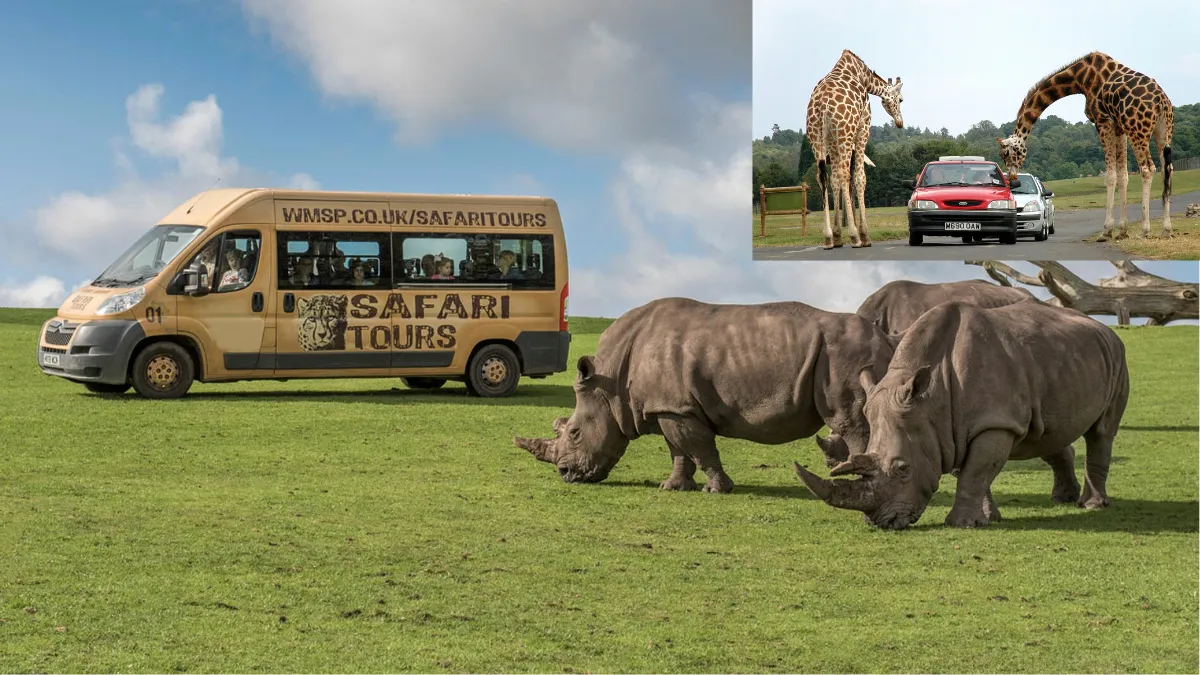
However, in the coming weeks, the young lions will leave Ireland to join a carefully managed breeding programme at Wingham Wildlife Park. The relocation forms part of a broader conservation effort designed to safeguard the future of the endangered Asiatic lion species.
A Special Role for Fota Wildlife Park in Lion Conservation
Fota Wildlife Park has long played an important role in international conservation projects, particularly for rare and threatened animals. The park participates in the breeding and population management programmes organised by the European Association of Zoos and Aquaria, commonly known as EAZA.
Through its Ex-situ Programme (EEP), EAZA coordinates breeding plans among zoos and wildlife parks across Europe. The programme ensures genetically healthy populations of endangered animals are maintained outside their natural habitats. Experts closely monitor family lines and animal movements between institutions to prevent inbreeding and strengthen species survival.
The three cubs from Fota Wildlife Park will now join this wider network of conservation facilities when they move to Wingham Wildlife Park. There, they will eventually become part of breeding groups aimed at increasing the population of Asiatic lions within managed environments.
Public Helped Name the Cubs
The birth of the cubs in 2024 was celebrated widely at Fota Wildlife Park. Shortly after their arrival, the park invited the public to take part in naming the trio. Thousands of suggestions were submitted, reflecting the excitement surrounding the rare births.
The final names—Theo, Rakesh, and Thor—were selected from public entries. Since then, the cubs have grown steadily and developed distinct personalities, making them favorites among regular visitors and wildlife enthusiasts.
Staff at the park say the young lions are now reaching the age where they must leave their birth pride. In the wild, male lions naturally disperse from their family group as they mature. The move to Wingham Wildlife Park mirrors this natural process while also supporting conservation goals.
Asiatic Lions: One of the World’s Rarest Big Cats
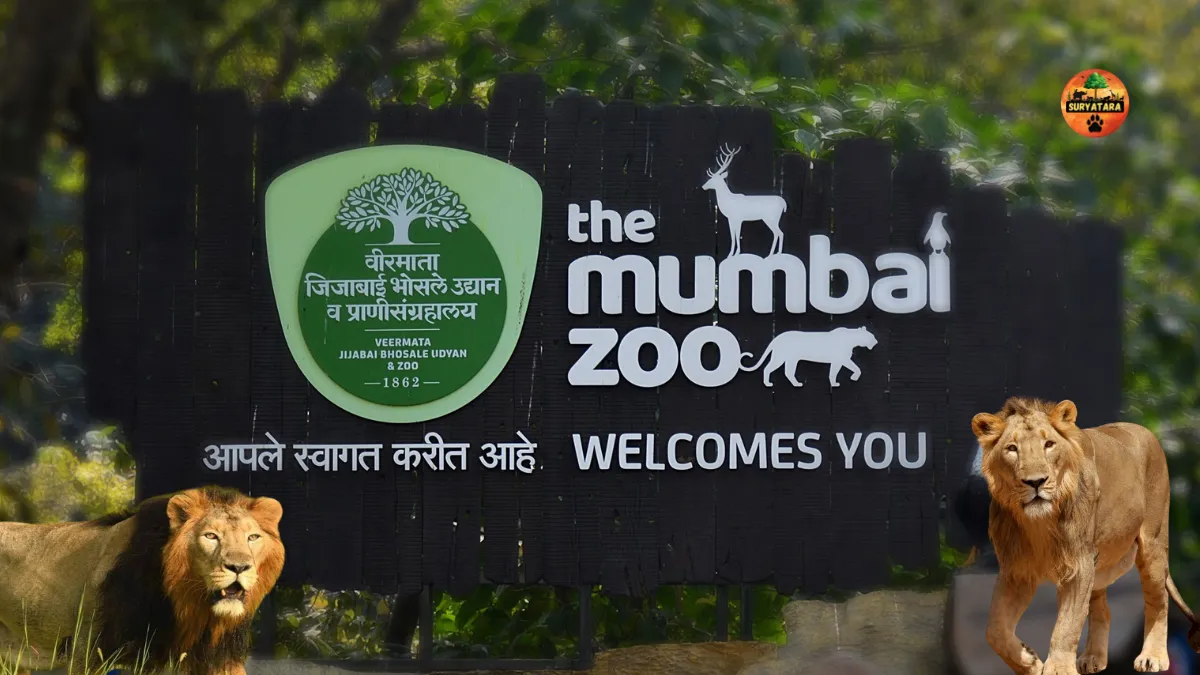
The Asiatic lion is a unique subspecies distinct from its African relatives. Once found across large parts of Asia and the Middle East, the population suffered a dramatic decline due to habitat loss and hunting.
Today, the only wild population of Asiatic lions survives in and around the Gir Forest National Park. Conservationists estimate that between 500 and 600 individuals remain in the wild, making the species one of the rarest big cats on Earth.
Because of this fragile population, international breeding programmes have become a vital part of ensuring the species’ long-term survival. Facilities like Fota Wildlife Park contribute by maintaining carefully managed populations that could support conservation efforts in the future.
Farewell to Ireland’s First Indian Rhino Born in the Country
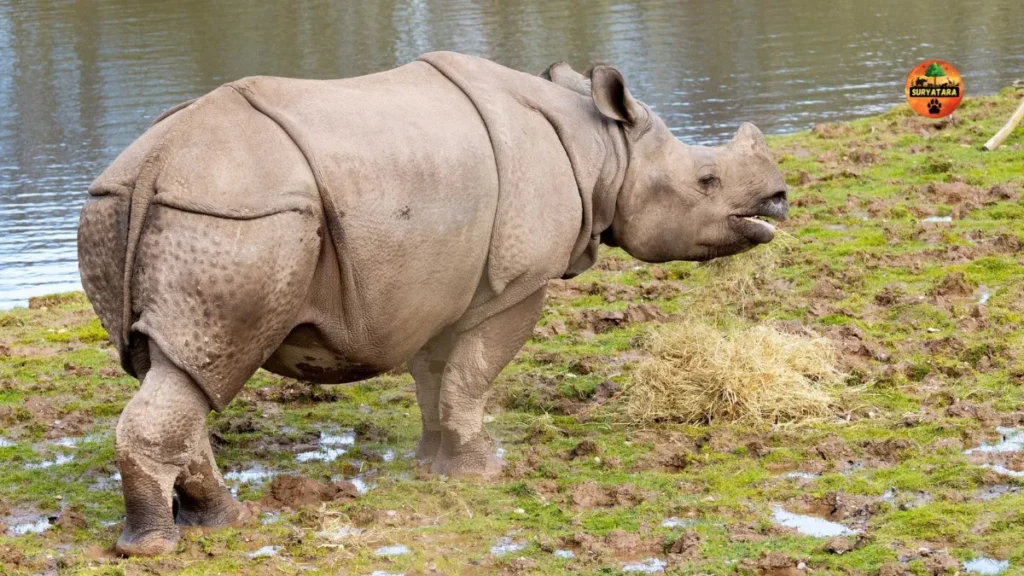
Alongside the lion cubs, Fota Wildlife Park will also soon say goodbye to another remarkable resident: Jai, a young Indian rhinoceros who holds a special place in the park’s history.
Jai was born in September 2022, making him the first Indian rhino ever born in Ireland. His parents, Maya and Jamil, welcomed the calf after an impressive gestation period of approximately 16 months.
His birth was considered particularly significant because Indian rhinoceros births are relatively rare in zoological institutions worldwide. In fact, Jai was one of only six Indian rhino calves born in any zoo globally during that year.
Now nearly four years old, Jai is preparing to move to Edinburgh Zoo as part of the same European breeding programme coordinated by EAZA.
Protecting the Indian Rhinoceros
The Indian rhinoceros, also known as the greater one-horned rhinoceros, is classified as vulnerable by the International Union for Conservation of Nature (IUCN). While conservation efforts in recent decades have helped stabilize populations, the species still faces threats from habitat loss and illegal poaching.
Currently, experts estimate that roughly 3,300 Indian rhinos remain in the wild, mainly across protected areas in India and Nepal. Maintaining genetically diverse populations in zoos and wildlife parks helps ensure the species has a safety net should numbers decline again in the wild.
The move to Edinburgh Zoo will allow Jai to become part of a wider breeding programme, helping strengthen the long-term survival prospects of the species.
Also Read: Sariska National Park Travel Guide: History, Wildlife, Safari, Timings, and Visitor Tips
A Final Chance for Visitors
For visitors to Fota Wildlife Park, the coming weeks offer a last opportunity to see both the lion cubs and the young rhino before they begin the next stage of their lives.
Wildlife park officials say the transfers highlight how modern zoos increasingly function as conservation centres rather than simply exhibition spaces. By working together across borders, institutions can help protect endangered species that might otherwise face extinction.
International breeding programmes like the EEP allow experts to carefully manage animal populations while also raising public awareness about wildlife conservation.
As Theo, Rakesh, Thor, and Jai prepare to leave Ireland, their stories serve as powerful reminders of the global cooperation required to protect vulnerable species.
Through initiatives involving Fota Wildlife Park and partner institutions across Europe and the United Kingdom, conservationists continue working to secure a future for some of the planet’s most threatened animals. For many visitors, saying goodbye will be bittersweet—but the animals’ new journeys represent an important step in safeguarding their species for generations to come.