Dholavira hotels play a quiet but important role in shaping the journey of travelers who come to explore one of the most remarkable archaeological discoveries of the Indian subcontinent. Set onKhadir Bet in Gujarat’s Kutch region, Dholavira is known for its ancient Harappan city, vast salt landscapes, and a sense of isolation that feels timeless. The accommodation options here are designed to match this atmosphere, offering comfort while respecting the land and its history.
Unlike crowded tourist centers, Dholavira remains calm and understated. Visitors come not for nightlife or shopping, but to understand early urban planning, water management, and life in a desert environment thousands of years ago. Dholavira hotels reflect this purpose. They focus on simplicity, cultural connection, and an experience that feels rooted in the place rather than imposed on it.
The Setting That Shapes Dholavira Hotels
Dholavira’s location defines everything about staying here. The settlement lies on a raised island surrounded by the Great Rann of Kutch, a landscape that shifts dramatically with the seasons. In winter, the region is dry and expansive. During the monsoon, parts of the salt desert fill with water, changing access routes and scenery.
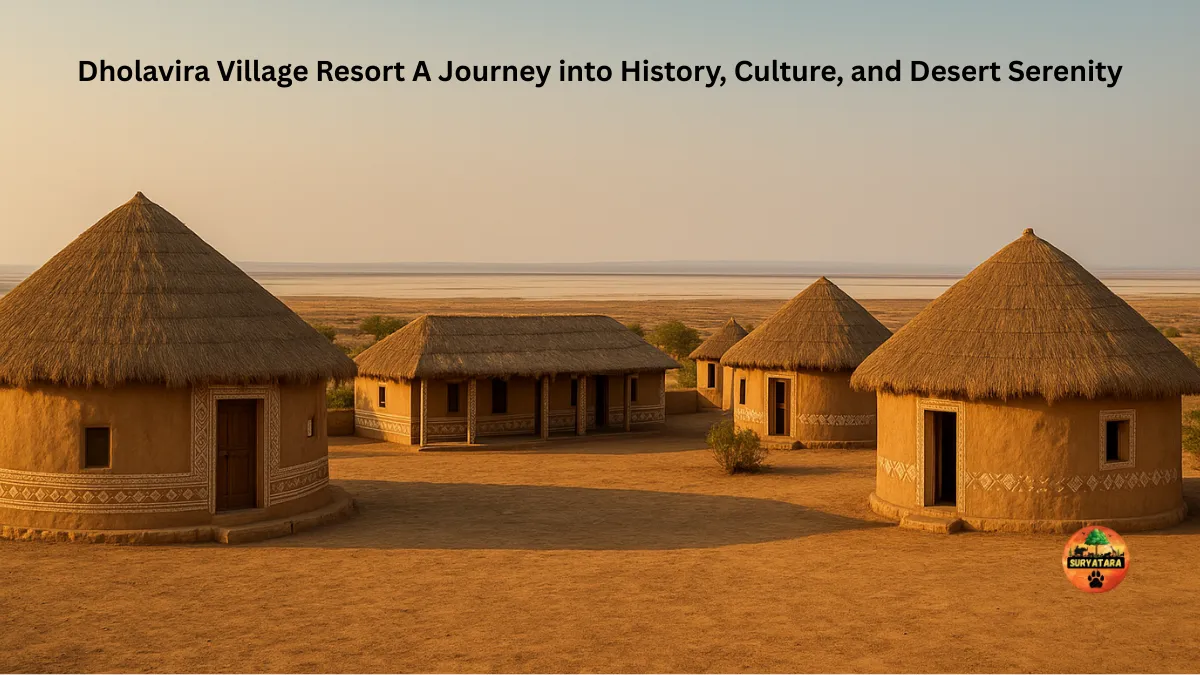
Hotels in this area are built with these conditions in mind. Structures are low-rise, often using local stone, mud, and traditional building techniques that keep interiors naturally cool. Instead of modern glass-and-steel designs, Dholavira hotels favor earthy tones and forms that blend into the desert surroundings.
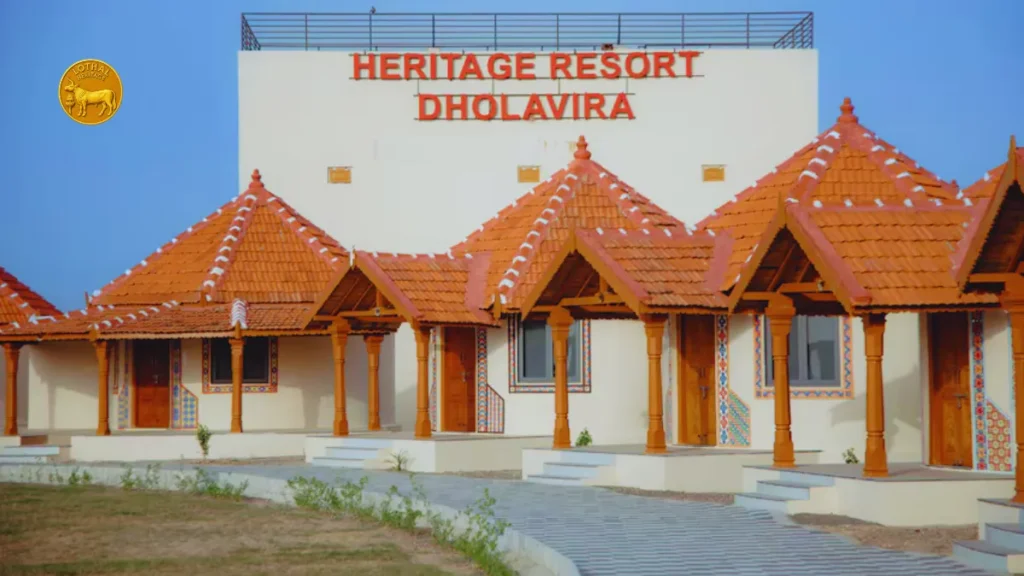
Different Kinds of Accommodation Near Dholavira
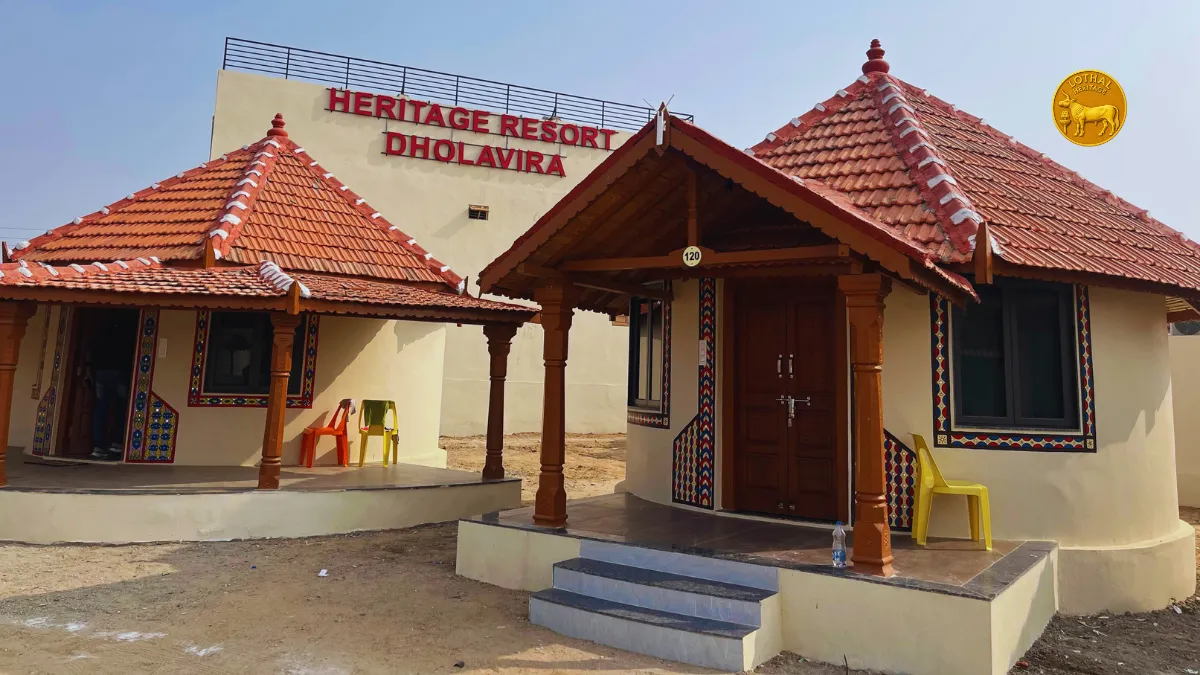
Travelers will find a limited but meaningful range of accommodation options. Heritage-style stays are among the most distinctive. These properties are inspired by Kutchi architecture, with circular huts, open courtyards, and décor influenced by local crafts. Staying in such places often feels like stepping into the cultural rhythm of the region.
Eco-focused lodges are also becoming more common. These emphasize low environmental impact, using solar power, water conservation systems, and locally sourced materials. For visitors who value sustainable travel, such Dholavira hotels align well with the fragile ecology of the Rann.
For those traveling on a tighter budget, simple guesthouses and government-run lodgings provide basic but reliable shelter. These options are practical, especially for researchers, students, and solo travelers whose main interest is time spent at the archaeological site.
Comfort Without Excess
Comfort in Dholavira is defined differently than in urban destinations. Rooms are usually spacious and functional, designed to handle extreme temperatures. Air conditioning may not be standard everywhere, but thick walls and traditional layouts help regulate heat naturally.
Dining facilities tend to be modest but satisfying. Most Dholavira hotels serve regional Gujarati and Kutchi food, along with familiar Indian dishes. Meals are often prepared using local ingredients, offering travelers an authentic taste of the area. Due to state regulations, alcohol is generally not available.
Connectivity is limited, which is something visitors should expect. Mobile signals can be inconsistent, and internet access may be slow or unavailable. Many travelers consider this an advantage, as it encourages a break from routine distractions.
The Advantage of Staying Close to the Archaeological Site
Choosing Dholavira hotels near the ruins offers practical and experiential benefits. Early morning and late afternoon visits allow travelers to explore the site in cooler temperatures and softer light. These hours also provide a better sense of scale and atmosphere, when the land feels quiet and undisturbed.
Being nearby makes it easier to observe subtle details: the alignment of streets, the massive stone reservoirs, and the careful planning that once supported a thriving city. Staying close helps transform a short visit into a deeper engagement with the place.
Seasonal Impact on Travel and Hotels
The most comfortable time to visit Dholavira is from October to March. During these months, weather conditions are favorable, and most hotels operate fully. This period also coincides with cultural events in Kutch, increasing demand for accommodation.
Summer months can be challenging due to intense heat. Some Dholavira hotels reduce services or close temporarily. The monsoon season brings a dramatic change to the landscape, with water covering parts of the Rann. While visually striking, travel during this time requires careful planning due to road conditions.
Overview of Accommodation Choices
The table below summarizes the main types of accommodation available around Dholavira.
| Type of Stay | Main Characteristics | Suitable For |
|---|---|---|
| Heritage Properties | Traditional design, cultural activities, local food | Families, culture-focused travelers |
| Eco-Lodges | Environment-friendly systems, peaceful settings | Responsible tourism enthusiasts |
| Guesthouses | Simple rooms, affordable rates | Budget travelers, solo visitors |
| Government Lodges | Basic amenities, proximity to site | Students, official guests |
Cultural Connection Beyond Accommodation
Staying in Dholavira is as much about the surroundings as it is about the room. Many Dholavira hotels help guests connect with local life through village visits, craft demonstrations, and storytelling sessions with residents. These experiences provide insight into how people continue to live in harmony with a harsh yet beautiful environment.
Local guides, often arranged through hotels, add depth to site visits. Their knowledge bridges archaeology and living tradition, helping visitors understand Dholavira not only as an ancient ruin but as part of a continuing cultural landscape.
Responsible Tourism and Preservation
Given the importance of the archaeological site, responsible tourism is essential. Many accommodation providers actively promote respectful behavior, encouraging guests to conserve resources and avoid disturbing protected areas. These efforts help ensure that increased tourism does not damage what makes Dholavira special.
Dholavira hotels also contribute to the local economy by employing nearby residents and sourcing supplies locally. This approach supports sustainable development while preserving cultural identity.
Read also: Kaziranga National Park Hotels: A Complete Guide to Staying Amid Assam’s Wild Heart
Making the Right Choice
Selecting from the available Dholavira hotels depends on what a traveler values most. Some may prioritize cultural immersion, others affordability or proximity to the ruins. Regardless of the option chosen, visitors often find that the simplicity of accommodation enhances the experience rather than limiting it.
The absence of excess allows attention to shift toward the land, the silence, and the remarkable story embedded in stone and earth.
Conclusion:
Dholavira hotels offer more than just a place to rest. They serve as gateways to an ancient world set within a stark and beautiful desert landscape. By combining thoughtful design, local culture, and practical comfort, these stays help visitors experience Dholavira in a meaningful way. For anyone drawn to history, archaeology, or quiet travel, staying here becomes an essential part of understanding the spirit of this extraordinary site.