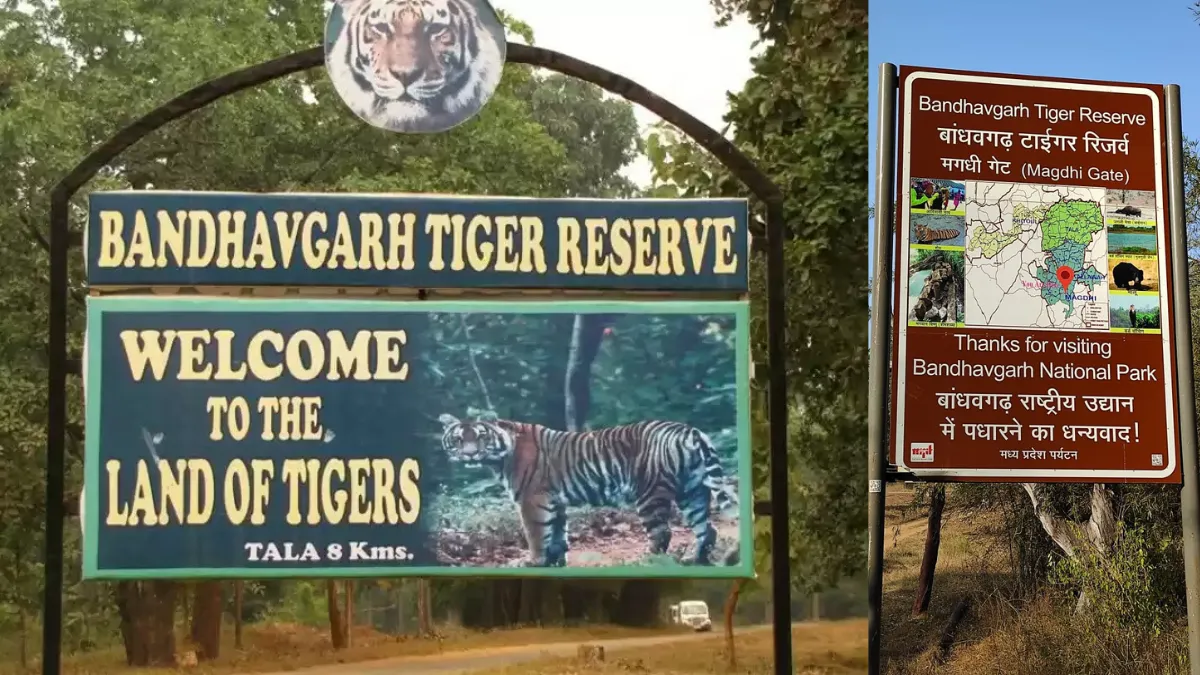
Bandhavgarh Tiger Reserve stands as one of India’s most celebrated wildlife destinations, a place where dense forests, ancient legends, and one of the highest tiger populations in the world come together in spectacular harmony. Located in the heart of Madhya Pradesh, this iconic reserve has long been a magnet for wildlife enthusiasts, conservationists, photographers, and travellers from across India and abroad, particularly from the UK and the US.
More than just a tiger sanctuary, Bandhavgarh is a living landscape shaped by mythology, royal history, and rich biodiversity. From misty morning safaris echoing with alarm calls to centuries-old ruins hidden deep within the jungle, the reserve offers an immersive experience that few wildlife parks can match.
An Introduction to Bandhavgarh Tiger Reserve
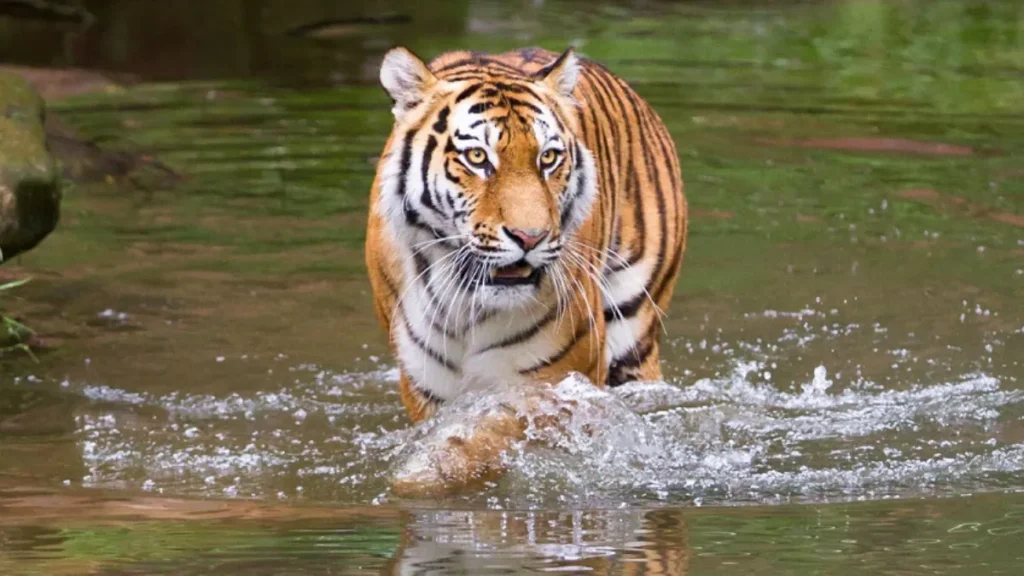
Bandhavgarh Tiger Reserve is situated in the Rewa district of Madhya Pradesh and is widely regarded as one of the best places in the world to spot the Royal Bengal Tiger in its natural habitat. Over the decades, the reserve has gained global recognition for its exceptionally high tiger density, making sightings relatively frequent compared to many other national parks.
However, the appeal of Bandhavgarh extends far beyond its big cats. The reserve is a rich mosaic of forests, grasslands, hills, and water bodies, supporting an extraordinary range of plant and animal life. Its cultural and historical significance further elevates it from a wildlife destination to a site of national heritage.
Historical and Mythological Significance
The name “Bandhavgarh” is derived from two Sanskrit words: Bandhav (brother) and Garh (fort), meaning “the fort of the brother.” According to Hindu mythology, Lord Rama gifted this fort to his younger brother Lakshmana during the epic period of the Ramayana. This association gives Bandhavgarh a deep spiritual and cultural resonance that continues to intrigue historians and visitors alike.
At the heart of the reserve lies the ancient Bandhavgarh Fort, dramatically perched atop a hill and surrounded by dense forest. The fort’s ruins, temples, statues, and inscriptions date back thousands of years, offering rare glimpses into India’s ancient dynasties and architectural traditions. Over time, the area also served as a hunting preserve for the Maharajas of Rewa, a legacy that inadvertently helped protect the region’s wildlife long before modern conservation efforts began.
Geographic Location and Landscape
Bandhavgarh Tiger Reserve is located at the foothills of the Vindhya mountain range, though it is often associated with the broader central Indian highlands. The reserve covers a total area of approximately 1,536 square kilometres, which includes a core zone of around 716 square kilometres and an extensive buffer zone that helps support wildlife movement and ecological balance.
The terrain is remarkably diverse. Steep hills, rolling plateaus, open meadows, dense sal forests, and seasonal streams all contribute to a dynamic landscape. This varied geography creates ideal conditions for a wide range of species and enhances the visual drama of safaris, where a single drive may pass through multiple ecosystems.
Rich Biodiversity: Flora and Fauna
Iconic Wildlife Species
The undisputed star of Bandhavgarh Tiger Reserve is the Royal Bengal Tiger. The reserve has played a crucial role in India’s Project Tiger initiative and continues to be a stronghold for tiger conservation. The relatively compact core area, combined with abundant prey, makes Bandhavgarh one of the best places to observe tigers in the wild.
Other prominent mammals found in the reserve include:
- Leopards
- Sloth bears
- Indian wolves
- Striped hyenas
- Wild boars
- Jackals
Herbivores and Prey Species
A healthy prey base is vital for sustaining large predators, and Bandhavgarh excels in this regard. Commonly sighted herbivores include:
- Sambar deer
- Spotted deer (Chital)
- Nilgai (Blue bull)
- Chinkara (Indian gazelle)
- Barking deer
These animals play a critical role in maintaining the ecological balance of the reserve.
Birdlife: A Paradise for Avian Enthusiasts
Bandhavgarh Tiger Reserve is also a haven for birdwatchers. With more than 250 recorded bird species, the park offers exceptional opportunities for observing both resident and migratory birds.
Notable bird species include:
- Sarus crane
- Indian roller
- Crested serpent eagle
- Jungle fowl
- Various species of owls, woodpeckers, and kingfishers
The diversity of habitats—from wetlands to forest canopies—makes Bandhavgarh an important bird conservation area in central India.
Vegetation and Forest Types
The forests of Bandhavgarh are predominantly tropical moist and dry deciduous, supporting a rich variety of plant life. Common tree species include:
- Sal
- Saj
- Dhaora
- Mahua
Dense bamboo groves are also widespread and form an essential part of the ecosystem, providing cover for wildlife and contributing to the forest’s structural diversity. Seasonal flowering and fruiting cycles attract animals and birds, making every safari experience unique.
Major Attractions Within the Reserve
Bandhavgarh Fort
The ancient fort is one of the reserve’s most striking landmarks. Though access is restricted, its presence looms over the forest, symbolising centuries of human history intertwined with nature.
Shesh Shaiya
Hidden deep within the forest lies Shesh Shaiya, a massive reclining statue of Lord Vishnu resting on the serpent Sheshnag. This serene and mysterious site adds a spiritual dimension to the Bandhavgarh experience.
Jeep Safaris
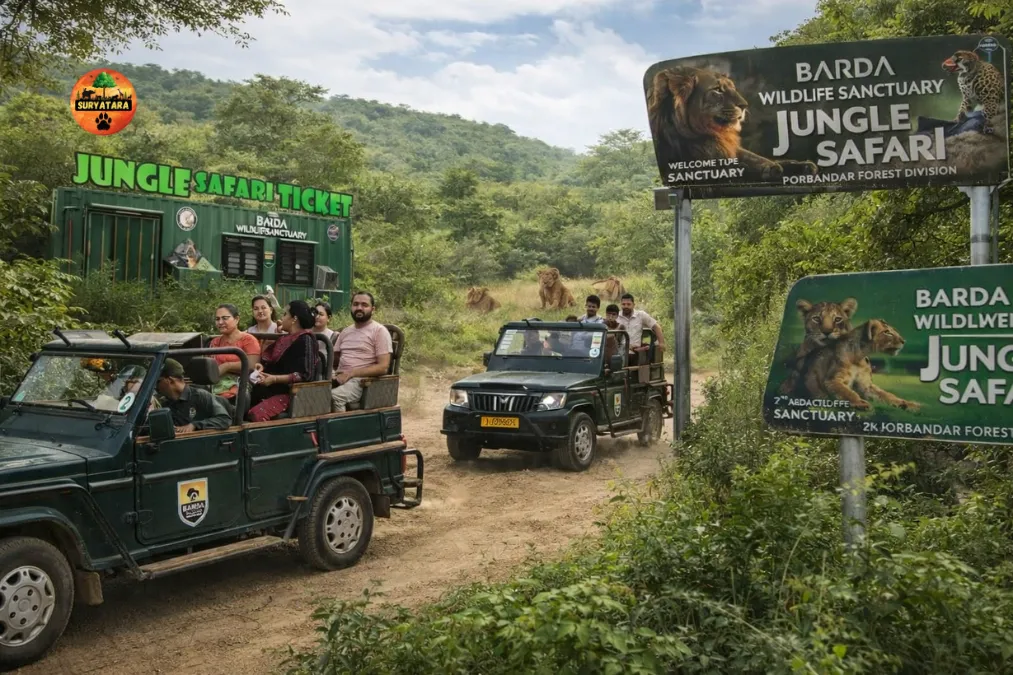
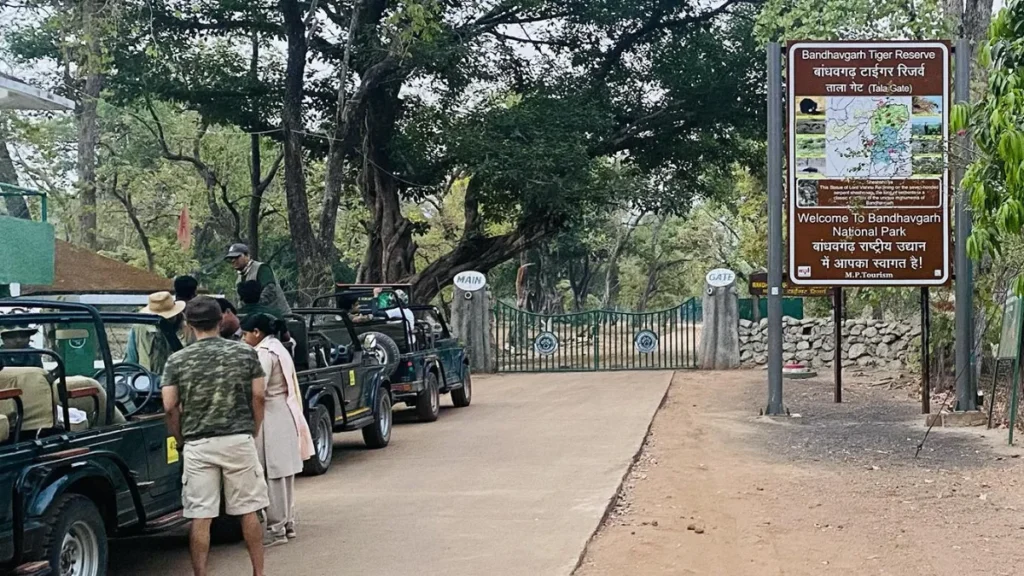
Open jeep safaris are the primary way to explore Bandhavgarh Tiger Reserve. These guided tours allow visitors to venture into designated zones and observe wildlife responsibly while gaining insights from experienced naturalists.
Wildlife Photography
With dramatic lighting, varied landscapes, and frequent wildlife sightings, Bandhavgarh is considered one of India’s top destinations for wildlife photography. From close-up tiger portraits to sweeping forest vistas, the reserve offers endless creative possibilities.
Best Time to Visit and Safari Timings
The ideal time to visit Bandhavgarh Tiger Reserve is between October and June. During these months, weather conditions are favourable, and wildlife sightings are at their peak.
- Morning Safari: Approximately 6:00 am to 10:30 am
- Afternoon Safari: Approximately 2:30 pm to 5:30 pm
The reserve remains closed during the monsoon season (July to September) to allow the forest to regenerate and to ensure visitor safety.
How to Reach Bandhavgarh Tiger Reserve
By Air
The nearest airport is Jabalpur, located around 170 kilometres from the reserve. From there, taxis are readily available.
By Rail
The closest railway station is Umaria, approximately 35 kilometres away. Katni railway station, around 100 kilometres away, is another major rail hub.
By Road
Bandhavgarh is well connected by road to cities such as Rewa, Jabalpur, Satna, and Katni. Buses and private taxis make road travel convenient and scenic.
Accommodation Options
Visitors to Bandhavgarh Tiger Reserve can choose from a wide range of accommodation options. These include government-run forest rest houses as well as private wildlife resorts and lodges catering to different budgets. Many resorts focus on eco-friendly practices and offer guided safaris, nature walks, and cultural experiences.
Conclusion: Why Bandhavgarh Tiger Reserve Matters
Bandhavgarh Tiger Reserve is far more than a wildlife park. It is a symbol of India’s commitment to conservation, a repository of ancient history, and a thriving natural ecosystem where predators and prey coexist in balance. Whether you are drawn by the thrill of spotting a tiger, the allure of ancient ruins, or the serenity of untouched forests, Bandhavgarh offers an unforgettable journey into the wild.
For travellers seeking an authentic Indian wildlife experience with global significance, Bandhavgarh Tiger Reserve deserves a place at the very top of the travel list.