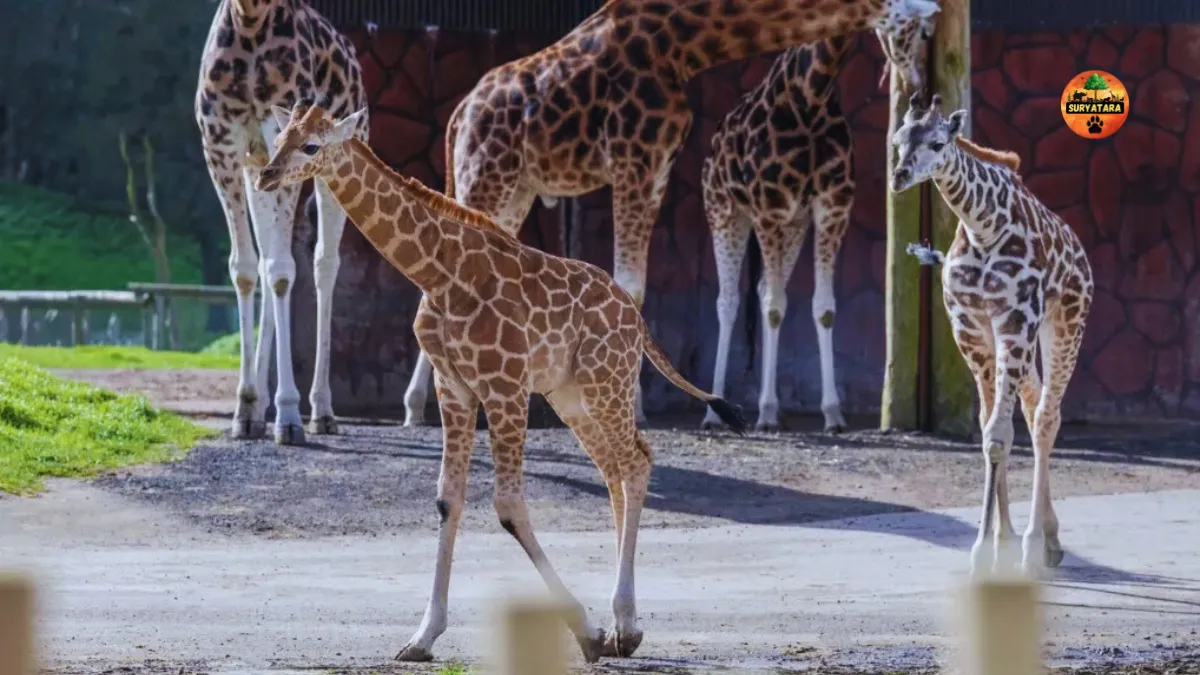
Visitors to West Midlands Safari Park have been treated to a heartwarming sight as two young giraffe calves recently experienced the outdoors for the very first time. The adorable duo, both northern giraffes, have taken their first cautious steps into the park’s safari area, delighting guests and wildlife staff alike.
The young calves, named Namara and Olive, were born months apart but have now reached an exciting milestone in their early lives. Namara arrived first on 8 October last year, while Olive was born more recently on 20 January. After spending their first weeks indoors with their mothers, both calves have now begun exploring the vast outdoor habitat where they will spend most of their time as they grow.
First Steps Into the Safari
The calves’ debut outside marked a significant moment for the animal care team at West Midlands Safari Park, who carefully monitor every stage of the animals’ development. On their first day outdoors, Namara and Olive cautiously ventured into the open safari area while being closely watched by their experienced mothers.
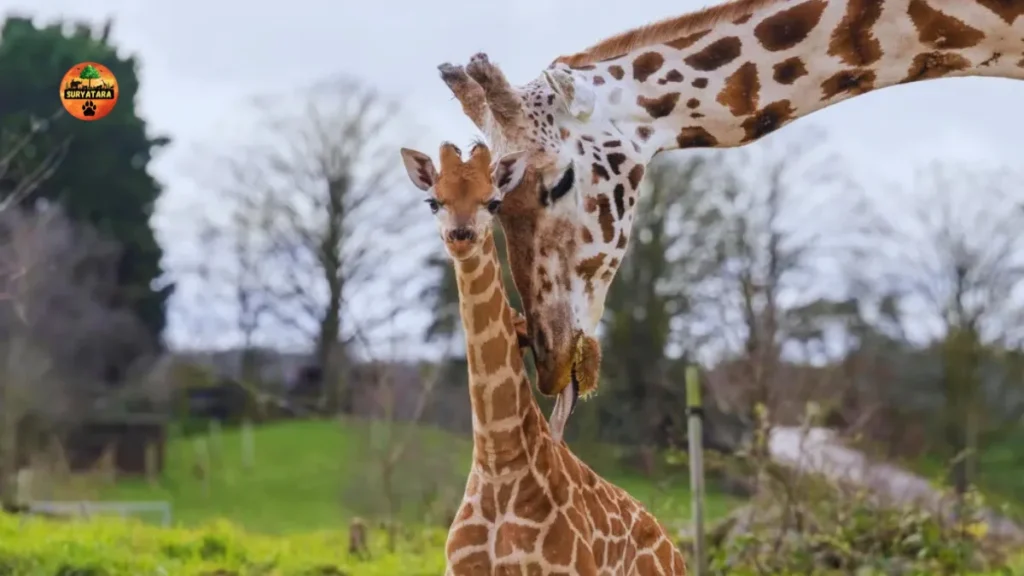
Their mothers, Akacia and Arusha, stayed nearby, guiding and protecting the young calves as they adjusted to their new surroundings. According to the park’s head keeper of ungulates, Lisa Watkins, the moment was both exciting and rewarding for the staff who have been caring for the animals since birth.
Watkins explained that the team was thrilled to see the calves finally step outside and encounter visitors for the first time. She said watching them adapt to the outdoor safari environment was an important milestone in their development.
Meeting the Herd
Before their outdoor debut, the calves were slowly introduced to the rest of the giraffe herd to ensure a smooth and safe integration. The introduction process included meeting every member of the group, including their father, Rufus.
The careful introduction process is crucial for maintaining harmony within the herd. According to Watkins, the meetings went exceptionally well, with the calves quickly becoming comfortable around the other giraffes.
After successfully bonding with the herd members, the final stage of the process was allowing the calves to explore the large outdoor enclosure. This environment mirrors the shared habitats found in the wild, where giraffes interact with other species.
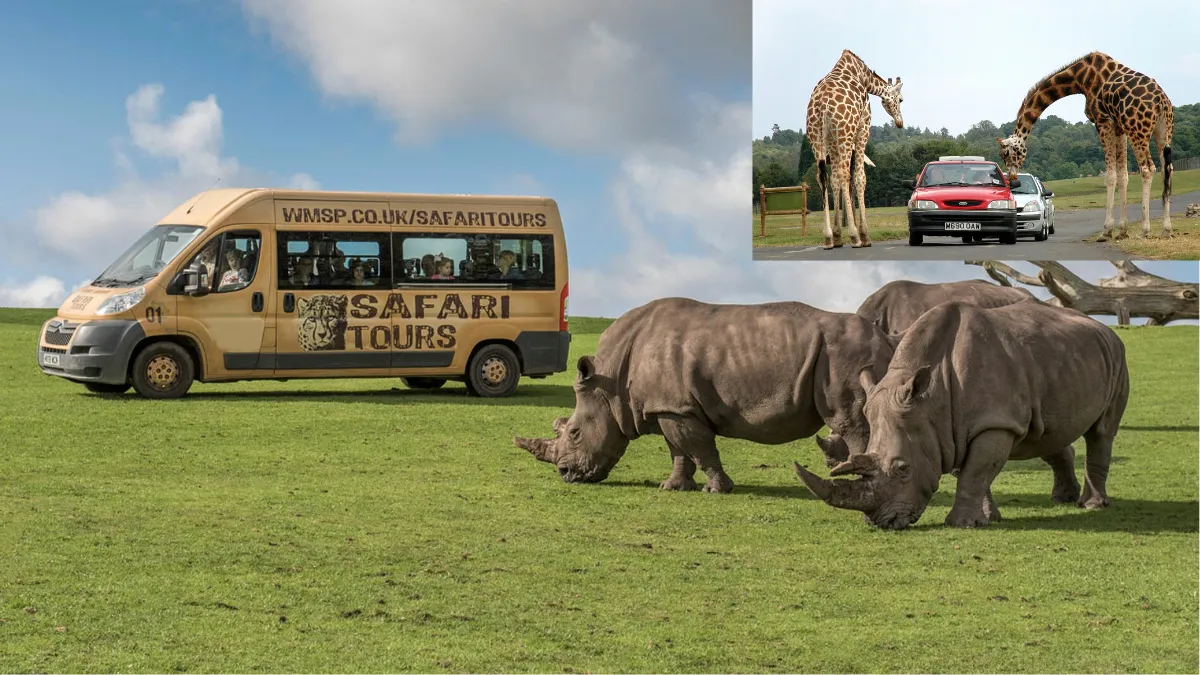
At West Midlands Safari Park, the giraffes share the safari space with several other African animals, including White rhinoceros, Grevy’s zebra, and African buffalo. This mixed-species environment allows visitors to experience a more natural and dynamic safari setting.
Different Personalities on Display
While both calves handled their first outdoor adventure well, their personalities quickly became evident.
Namara initially appeared cautious when stepping into the open environment. The young giraffe spent some time observing her surroundings before gradually becoming more comfortable. Within a short time, she began exploring the area calmly alongside her mother and the rest of the herd.
Olive, however, had a very different reaction. On her first outing, she displayed an energetic and playful attitude, enthusiastically running around the enclosure and exploring every corner. Her lively behaviour quickly caught the attention of visitors and staff alike.
Keepers affectionately described Olive as having “the zoomies,” a term often used to describe bursts of playful energy seen in young animals.
Mothers Leading the Way
Both Akacia and Arusha have played a key role in helping their calves adjust to life outdoors. According to keepers, the two mothers have shown excellent maternal instincts, guiding and protecting their young while encouraging them to explore the new environment.
The experienced mothers stayed close to the calves throughout their first outdoor adventure, providing reassurance whenever the young giraffes appeared uncertain. Their behaviour helped the calves feel safe while learning to navigate the larger space.
Watkins praised the mothers for their attentive care, noting that they have been gentle yet protective as the calves take their first steps toward independence.
A Positive Sign for Conservation
The births of Namara and Olive represent more than just a charming addition to the safari park. They also contribute to a larger international conservation effort aimed at protecting giraffe populations.
Both calves are part of the European Association of Zoos and Aquaria’s EAZA Ex-situ Programme, often referred to as the EEP. This collaborative breeding initiative brings together zoos and wildlife parks across Europe to help conserve endangered and vulnerable species.
The program carefully manages breeding to maintain healthy genetic diversity among animals living in human care. Through coordinated efforts, conservationists hope to strengthen global populations and support long-term species survival.
Threats Facing Northern Giraffes
Despite their towering height and iconic appearance, giraffes face increasing threats in the wild. Conservation experts currently classify northern giraffes as vulnerable to extinction.
Several factors have contributed to declining numbers across Africa. Habitat loss remains one of the biggest challenges, as expanding agriculture and human settlements reduce the natural landscapes giraffes depend on. Illegal hunting and poaching also pose serious threats, while climate change continues to affect ecosystems across the continent.
Wildlife parks such as West Midlands Safari Park play a significant role in raising awareness about these challenges while supporting breeding programs designed to protect the species.
What the Future Holds for the Calves
For now, Namara and Olive will continue growing alongside the giraffe herd at West Midlands Safari Park, where they will spend their early years developing their strength and social skills.
As part of the European conservation program, the calves are expected to eventually move to other wildlife parks once they reach maturity. These transfers help ensure healthy breeding populations across different institutions.
In the future, both giraffes could play an important role in producing the next generation of calves, continuing the cycle of conservation.
Also Read: Project Cheetah: India’s Cheetah Population Crosses 50 After New Cubs Born at Kuno National Park
A Memorable Moment for Visitors
Guests visiting West Midlands Safari Park now have the opportunity to witness the young giraffes exploring their habitat and interacting with the herd. For many visitors, seeing the calves’ first outdoor adventures has become one of the most memorable experiences at the park.
The sight of Namara’s cautious curiosity and Olive’s energetic enthusiasm highlights the charm of young wildlife while reminding people of the importance of conservation efforts.
With their long legs, gentle personalities, and playful behaviour, the two calves have already captured the hearts of visitors and staff alike — and they are likely to remain a favourite attraction at West Midlands Safari Park for years to come.