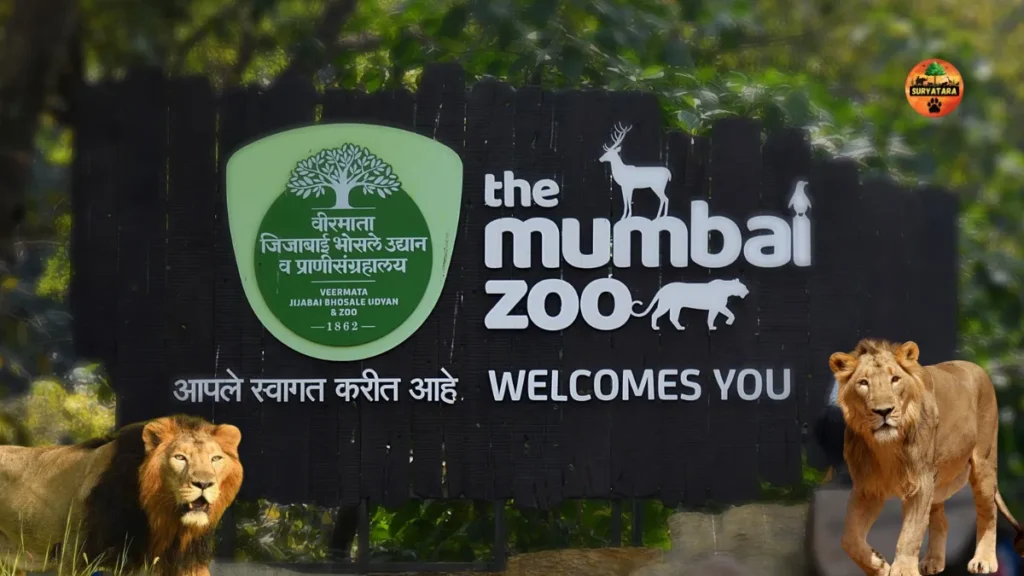
The Mumbai Zoo: A unique wildlife proposal from Maharashtra’s capital has sparked interest among conservationists and animal lovers alike. The Mayor of Mumbai, Ritu Tawde, has written a special letter to Bhupendra Patel, requesting the transfer of Asiatic lions from Gujarat to the city’s historic zoological park. The request aims to bring a pair of male and female lions to The mumbai zoo, boosting wildlife awareness and tourism in the city.
The proposal highlights Mumbai’s growing efforts to modernize its zoological facilities and provide visitors with an enriched wildlife experience. If approved, the arrival of Asiatic lions would mark a significant addition to the animal collection at Veermata Jijabai Bhosale Botanical Garden and Zoo, popularly known as Byculla Zoo.
Mayor’s Letter to the Gujarat Government
According to official sources, Mayor Ritu Tawde sent the letter on February 25, formally requesting the Gujarat government to provide two pairs of Asiatic lions—two males and two females. The lions are expected to be housed in a specially designed enclosure inside The mumbai zoo, located in Mumbai’s Byculla area.
In her letter, the mayor explained that the Brihanmumbai Municipal Corporation (BMC) has already completed the first phase of a large-scale modernization project at the zoo. This redevelopment project was designed to improve infrastructure, animal habitats, and visitor facilities, transforming the historic park into a world-class urban wildlife destination.
The mayor emphasized that bringing Asiatic lions to the zoo would serve two major purposes:
- Enhancing visitor attraction and tourism
- Promoting wildlife conservation awareness
She also highlighted that the zoo is fully prepared to accommodate the animals in accordance with national wildlife guidelines.
Modernization of The Mumbai Zoo
The modernization project at The mumbai zoo has been carried out in multiple phases. The first phase has already introduced several new features aimed at improving both animal welfare and visitor experience.
Key Developments Completed in Phase One
| Facility | Description |
|---|---|
| Humboldt Penguin Exhibit | A climate-controlled enclosure for penguins |
| Indoor Botanical Garden | A green space showcasing rare plants |
| New Ticketing Facilities | Modern ticket counters for visitors |
| Veterinary Hospital | Advanced medical care for zoo animals |
| Quarantine Area | Separate zone for newly arrived animals |
| Visitor Amenities | Rest areas and improved public facilities |
One of the most popular additions has been the Humboldt penguin exhibit, which quickly became a major attraction for families and tourists visiting The mumbai zoo.
Second Phase: New Habitats for Major Wildlife Species
The second phase of redevelopment focuses on expanding the animal habitats and introducing larger enclosures designed to mimic natural environments.
Under this phase, new spaces have been built for several species, including:
- Asiatic Lions
- Tigers
- Bears
- Leopards
- Deer species
- Various bird species
These new habitats are designed according to modern zoological standards and aim to provide animals with greater space, natural features, and behavioral enrichment.
The proposed lion enclosure is particularly notable. According to officials, the design has been inspired by the traditional Maldhari settlements near the forests of Gujarat, creating an environment that resembles the natural surroundings of the lions.
Specially Designed Lion Enclosure
The enclosure intended for the lions has been carefully planned to ensure comfort and safety for the animals while offering visitors an immersive viewing experience.
Features of the Proposed Lion Habitat
| Feature | Purpose |
|---|---|
| Artificial Caves | Provide shelter and resting spaces |
| Water Bodies | Help regulate temperature and hydration |
| Elevated Platforms | Allow lions to rest and observe surroundings |
| Visitor Viewing Zones | Safe observation areas for the public |
| Natural Landscaping | Replicates the ecosystem of Gir forest |
These features aim to replicate the environment found near Gir National Park, the natural home of the Asiatic lion population.
Zoo authorities have stated that the habitat design aligns with guidelines issued by the Central Zoo Authority, which oversees zoological parks across India.
Earlier Proposal for Lion Exchange
Officials also revealed that The mumbai zoo had previously proposed acquiring Asiatic lions through an animal exchange program with Sakkarbaug Zoological Garden in Gujarat.
Such exchange programs are common among zoological institutions and help ensure genetic diversity, conservation cooperation, and responsible wildlife management.
However, the final decision rests with the Gujarat government and wildlife authorities, as Asiatic lions are considered a highly protected species.
About the Asiatic Lion
The Asiatic Lion is one of the rarest lion subspecies in the world. Unlike the African lion, the Asiatic lion has a smaller body size and a distinctive fold of loose skin along its belly, which helps experts easily identify it.
Key Facts About Asiatic Lions
| Feature | Details |
|---|---|
| Scientific Name | Panthera leo persica |
| Habitat | Forests and grasslands of Gujarat, India |
| Main Population | Gir National Park and surrounding forests |
| Diet | Deer, nilgai, wild boar, and other herbivores |
| Social Structure | Lives in small prides |
Historically, Asiatic lions once roamed across large parts of Asia and the Middle East, but hunting and habitat loss pushed them to the brink of extinction. By the early 20th century, only a few dozen individuals remained.
Thanks to strong conservation efforts led by the Gujarat government and wildlife authorities, the population has gradually recovered. Today, the majority of Asiatic lions live in and around Gir National Park.
Also read: Vandalur Zoo Complete Guide: History, Animals, Tickets, Timings, and Visitor Tips
Conservation Significance of the Proposal
Wildlife experts believe that introducing Asiatic lions to The mumbai zoo could have educational and conservation benefits.
Urban zoos play an important role in:
- Educating the public about endangered species
- Supporting breeding and conservation programs
- Encouraging interest in wildlife protection
However, experts also emphasize that such transfers must follow strict animal welfare and conservation guidelines to ensure the well-being of the lions.
What Happens Next?
The proposal now awaits approval from the Gujarat government and relevant wildlife authorities. If the request is accepted, it could lead to the historic transfer of Asiatic lions to Mumbai, potentially making them one of the star attractions at The mumbai zoo.
For residents and tourists alike, the arrival of Gujarat’s iconic “Savaj” (lion) could add a new chapter to the long history of Mumbai’s beloved zoological park.
Wildlife enthusiasts across India will now be watching closely to see whether the majestic Asiatic lions will soon roar in The mumbai zoo, bringing a piece of Gujarat’s famous Gir forests to the heart of Mumbai.